Ever feel like you’re doing all the “right” things? You wake up early, hit the gym, meticulously plan your day, and yet… by 3 PM, you’re staring at the ceiling, wondering where your energy and focus went.
You’re left wondering, “What the heck happened?” This, my friend, is the silent sabotage of productivity. It’s the insidious way our well-intentioned habits can backfire, leaving us feeling busy, burned out, and ultimately, unproductive. I’ve been there. For over two decades, I’ve worked with students, professionals, and entrepreneurs, and I’ve seen this pattern repeat itself countless times.
People start strong, armed with the latest productivity tips and tricks, only to crash and burn. Why? Because they’re focusing on the wrong things, or worse, they’re implementing habits that, while seemingly productive, are actually draining their most valuable resources: focus and energy.
The Illusion of Action vs. Real Productivity
The biggest trap is mistaking activity for achievement. We live in a world that glorifies “busy.” We wear our packed schedules like badges of honor.
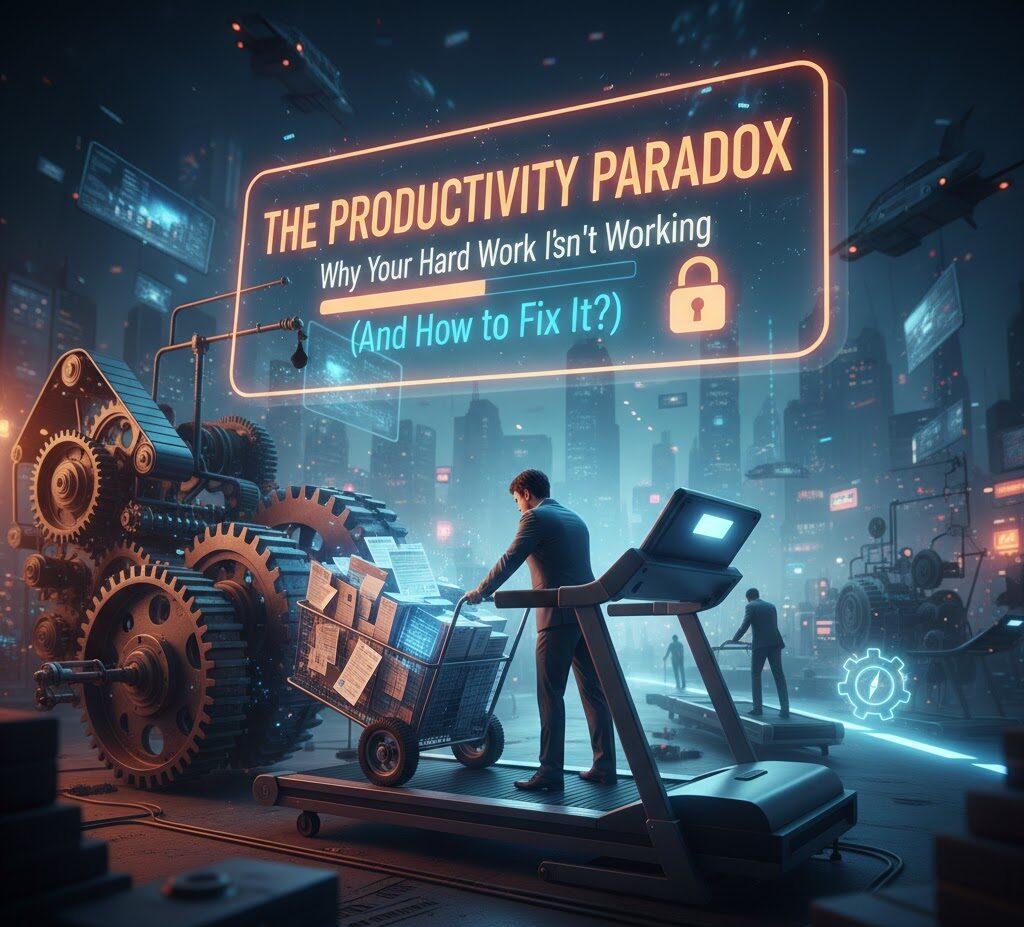
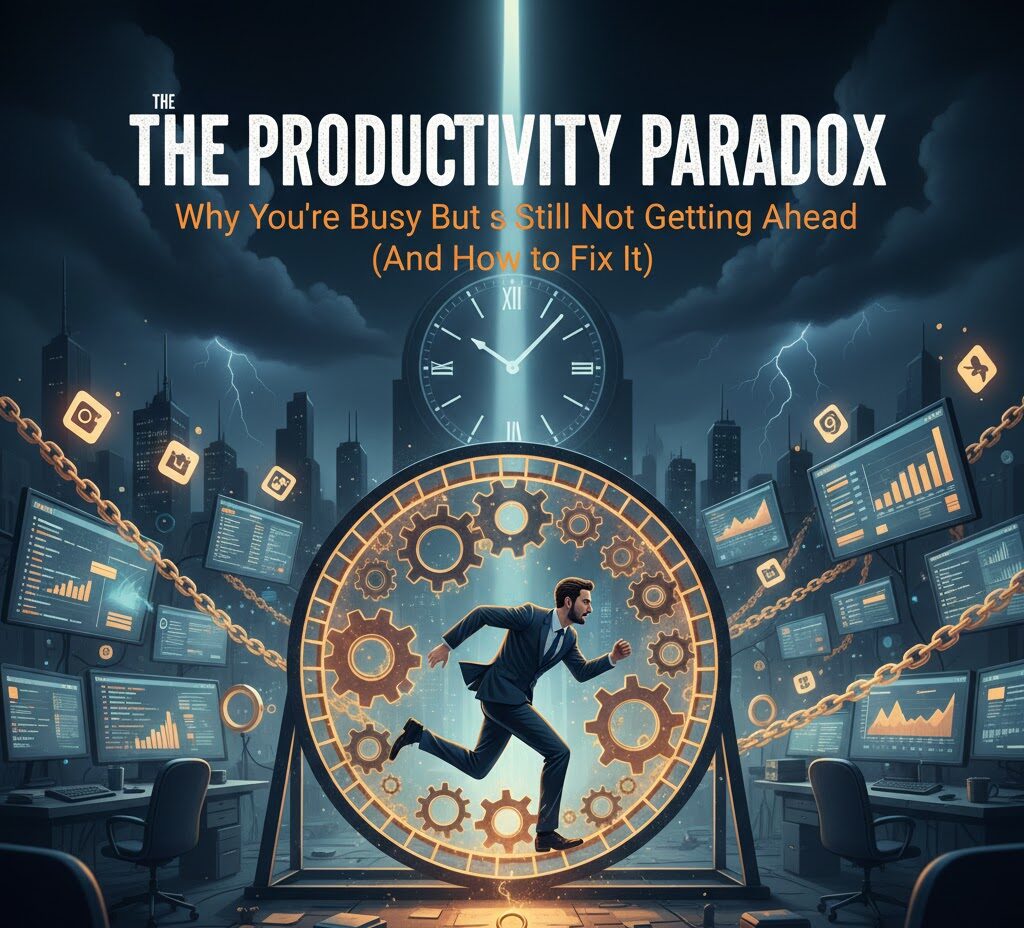
But let’s be honest, how many of those hours are spent on truly meaningful work? How many tasks actually move the needle forward? It’s easy to get caught up in the whirlwind of emails, meetings, and to-do lists, feeling like we’re accomplishing something, when in reality, we’re just treading water. This is where the productivity paradox comes in. You can be busy, even feel exhausted, and still not be getting ahead.
This is where productivity silently collapses. The “good habits” that are meant to boost us become another source of stress, leading to mental fatigue. Here’s how it usually plays out:
- Over-Planning: Obsessively planning every minute of your day, only to get derailed by the first unexpected phone call or urgent email.
- Multitasking: Trying to juggle multiple tasks simultaneously, leading to fragmented attention and reduced cognitive performance.
- Perfectionism: Setting unrealistically high standards, causing analysis paralysis and preventing you from starting or finishing projects.
- Constant Connectivity: Being perpetually glued to your phone, checking emails and social media, resulting in constant distractions and a fractured focus.
- Ignoring Rest & Recovery: Sacrificing sleep, relaxation, and downtime in the name of “productivity,” which ultimately leads to burnout.
Sound familiar? These aren’t just bad habits; they’re productivity killers disguised as helpful tools.
The Pillars of Sustainable Productivity
Real productivity isn’t about doing more; it’s about doing the right things and doing them well. It’s about optimizing your energy, focus, and time for the highest impact. This is where sustainable productivity systems step in. Here’s what works, based on years of observing what actually moves the needle:
1. Focus on the Fundamentals: The Power of Prioritization
Before you even think about fancy apps or time management techniques, master the basics. Prioritization is the foundation of everything. Ask yourself:
What tasks, if completed, will make the biggest difference? The Pareto Principle, or the 80/20 rule, is your guide here. Identify the 20% of your tasks that yield 80% of your results. Focus your energy on those, and ruthlessly eliminate or delegate the rest.
How to Implement it:
- Identify Your “Big Rocks”: At the start of each week, identify your 2-3 most important tasks. These are the non-negotiables that will move you closer to your goals.
- Time Blocking: Schedule specific blocks of time for these high-priority tasks, treating them like important appointments.
- Say “No” More Often: Protect your time and energy by declining commitments that don’t align with your goals.
2. The Art of Deep Work: Mastering Your Focus
In a world of constant notifications and distractions, the ability to focus deeply is a superpower. Deep work is the ability to concentrate without distraction on a cognitively demanding task. It’s when you’re fully immersed in your work, where true progress is made. It’s not about working longer, it’s about working with intention and focus.
How to Implement it:
- Create a Distraction-Free Environment: Turn off notifications, close unnecessary tabs, and let people know you need uninterrupted time.
- Batch Similar Tasks: Group similar tasks together (e.g., answering all emails at once, making all phone calls at once) to minimize context switching.
- Embrace the Pomodoro Technique: Work in focused 25-minute intervals, followed by a short break.
3. Energy Management: Fueling Your Productivity
Productivity isn’t just about time; it’s about energy. You can’t pour from an empty cup. If you’re constantly running on empty, your productivity will plummet. This is where good habits like sleep, diet, and exercise come into play.
How to Implement it:
- Prioritize Sleep: Aim for 7-9 hours of quality sleep per night. Sleep deprivation drastically impairs cognitive function.
- Nourish Your Body: Eat a balanced diet with plenty of whole foods to fuel your brain and body.
- Move Your Body: Regular exercise boosts energy levels, reduces stress, and improves focus. Even a short walk can make a difference.
- Strategic Breaks: Schedule short breaks throughout the day to recharge. Get up, move around, and do something you enjoy.
4. The Power of Systems and Consistency
Successful people don’t rely on willpower alone. They build systems. Systems are the processes and habits that support your goals. They automate decision-making and make it easier to stay on track.
How to Implement it:
- Automate Repetitive Tasks: Use tools and software to automate tasks like scheduling social media posts or sending out invoices.
- Create Checklists and Templates: Standardize processes with checklists and templates to save time and reduce errors.
- Build Habit Stacking: Link new habits to existing ones to make them easier to adopt. For example, meditate immediately after you brush your teeth.
- Track Your Progress: Monitor your habits and results to identify what’s working and what needs adjustment.
Common Productivity Mistakes to Avoid
Here are some of the most common pitfalls that sabotage productivity:
- Multitasking: It’s a myth. Your brain can’t effectively handle multiple tasks at once. Switch to single-tasking for better results.
- Perfectionism: Don’t let the pursuit of perfection paralyze you. Focus on progress, not perfection.
- Ignoring Rest and Recovery: Burnout is real. Schedule downtime and prioritize sleep.
- Over-Scheduling: Don’t cram your schedule. Leave buffer time for unexpected events and to avoid feeling overwhelmed.
- Trying to Do Everything: Focus on your most important tasks. Learn to say no to other requests.
Busting Productivity Myths
Let’s debunk some persistent myths that are actively hurting your productivity:
- Myth: Working Long Hours = More Output. False. Long hours often lead to burnout and decreased productivity.
- Myth: Motivation Comes First. Action leads to motivation, not the other way around. Start small, and the motivation will follow.
- Myth: You Need to Be “Busy” to Be Productive. Being busy doesn’t equal being productive. Focus on high-impact tasks.
- Myth: You Can Multitask Effectively. Your brain doesn’t work that way. Single-tasking is far more efficient.
Long-Term Impact and Future Outlook
Sustainable productivity habits are a long-term investment. They impact not only your performance and income but also your mental and physical health. When you work smarter, not harder, you:
- Reduce Stress and Burnout: By focusing on what matters and prioritizing rest, you’ll experience less stress and avoid burnout.
- Increase Your Income: More efficient work leads to higher quality output and greater value.
- Improve Your Mental Health: Managing your time and energy effectively reduces anxiety and improves overall well-being.
- Create a More Balanced Life: Sustainable productivity habits allow you to create more time for your personal life and the things you enjoy.
The future of productivity is about balance and resilience. As technology evolves, the ability to filter information, focus on what truly matters, and maintain a healthy work-life integration will become even more critical. Prioritizing well-being is not a luxury; it’s a necessity for sustained success.
Modern Relevance (2026 Digital & Work Environment)
The digital landscape continues to evolve at breakneck speed. Here’s how to stay productive in the 2026 work environment:
- Embrace AI Tools (Wisely): Leverage AI tools for automation and research, but don’t become overly reliant on them.
- Prioritize Cybersecurity: With increasing cyber threats, protect your time and resources by strengthening digital security habits.
- Master Remote Collaboration: Improve your communication and collaboration skills to thrive in remote teams.
- Practice Digital Minimalism: Regularly declutter your digital life to eliminate distractions.
- Embrace Lifelong Learning: Regularly upgrade your skills through online courses, workshops, and other forms of learning.
Frequently Asked Questions (FAQ)
Here are some common questions about productivity and how to tackle them:
I feel overwhelmed. Where do I even start?
Start with prioritization. Identify your top 2-3 most important tasks. Then break down these large tasks into smaller, manageable steps. This will prevent you from feeling overwhelmed and help you begin.
How do I stop procrastinating?
Break tasks down into tiny steps. Set a timer (e.g., the Pomodoro Technique). Reward yourself after each small accomplishment. Recognize and address the underlying reasons for procrastination (fear of failure, perfectionism, etc.).
How can I improve my focus?
Minimize distractions. Turn off notifications, create a dedicated workspace, and use website blockers or focus apps. Try the Pomodoro Technique or other time management methods.
I’m always tired. How do I get more energy?
Prioritize sleep (7-9 hours), eat a balanced diet, and exercise regularly. Take breaks throughout the day to recharge. Experiment with energy-boosting activities like spending time in nature.
Is multitasking really bad?
Yes. Multitasking significantly reduces your cognitive performance. Focus on one task at a time for optimal results.
How do I deal with email overload?
Schedule specific times to check and respond to emails. Turn off email notifications. Process emails using the “inbox zero” approach (deal with each email immediately or archive it). Consider using email filters.
How do I build sustainable habits?
Start small, focus on one habit at a time, and be consistent. Use habit-tracking tools or apps. Link new habits to existing ones (habit stacking). Don’t strive for perfection – consistency is key.
What’s the best productivity tool?
The best tool is the one that you will consistently use. Experiment with different apps, tools, and techniques to find what works for you. But remember, tools are only helpful if you have a solid foundation of good habits.
If you’re looking for additional ways to take control of your time, then feel free to visit Jamgro to explore more resources and see how you can elevate your performance further.