I remember this feeling vividly. It was a cold, rainy Tuesday, and I was staring at my laptop, the cursor blinking mockingly on a blank document. The task? To write a newsletter.
The problem? Every single idea that surfaced felt…wrong. Forced. Inauthentic. My mind, usually a bustling marketplace of thoughts, had turned into a barren desert.
This wasn’t writer’s block; it was a deeper, more insidious form of resistance. I was afraid of being judged, of not being good enough, of failing to meet my own expectations. And the fear of this discomfort paralyzed me. This is where the mind quietly sabotages progress. We all have these moments, these internal battles where the easiest path is to avoid, to procrastinate, to do anything but confront the discomfort staring us in the face.
But what if I told you that embracing this very discomfort is the key to unlocking a level of resilience and inner strength you never knew you possessed? What if, instead of running from these feelings, we learned to lean into them?
The Illusion of Comfort and the Trap of the Known
We’re wired for comfort. It’s a primal instinct, a survival mechanism. Our brains are designed to conserve energy, to seek out the familiar, the predictable, the things that feel safe.
This is why habits are so powerful – they offer a sense of security. But the problem arises when this innate drive for comfort becomes a prison. When we prioritize feeling good over growth, we inadvertently create a life that’s small, limited, and ultimately, unfulfilling.
Think about it. How many times have you stayed in a job you hated because it was familiar? How often have you avoided a difficult conversation, a challenging project, or a new skill simply because it felt…uncomfortable? We cling to the known, even when the known isn’t serving us.
This is the comfort trap, and it’s one of the biggest obstacles to personal growth. The false belief that comfort equals happiness is a lie we tell ourselves, over and over.
The truth is, true growth, real transformation, and lasting fulfillment reside just outside our comfort zones. It’s in the realm of the unknown, the challenging, the things that make our palms sweat and our hearts race. And it’s here, in these moments of discomfort, that we build resilience.
How Mindset Patterns Are Formed: The Story We Tell Ourselves
Our mindsets, those deeply ingrained patterns of thinking, feeling, and behaving, are not static. They’re constantly evolving, shaped by our experiences, our beliefs, and the stories we tell ourselves. The foundation of any mindset is a set of core beliefs about ourselves, the world, and our place in it.
Let’s use an example. Imagine you failed a presentation at work. If your core belief is “I’m not good enough,” the failure will likely reinforce this belief. You might start avoiding future presentations, telling yourself you’re not cut out for public speaking. Your actions (avoidance) then further validate your belief (I’m not good enough), creating a self-perpetuating cycle.
This is how mindset patterns are formed. Every experience, especially those laden with emotion, reinforces existing beliefs or creates new ones.
Over time, these beliefs become deeply ingrained, shaping our perceptions, influencing our decisions, and ultimately, defining our lives. Most people don’t notice this thought pattern, it is often automatic and unconscious.
The crucial point is this: These patterns aren’t fixed. They can be changed. But changing them requires a conscious effort to challenge our limiting beliefs and embrace the discomfort of new ways of thinking and being.
The Ripple Effect: How Mindset Shapes Actions, Decisions, and Results
The impact of mindset is far-reaching. It’s not just about how we think; it’s about what we do. Our mindset influences every aspect of our lives, from the smallest daily decisions to the biggest life choices.
Think of your mindset as the lens through which you view the world. If that lens is clouded with fear, self-doubt, or negativity, everything will appear distorted.
Here’s how it works:
- Beliefs influence emotions: If you believe you’re not capable, you’ll likely feel anxious or discouraged.
- Emotions drive actions: These emotions then drive your actions. Anxiety might lead you to avoid a challenge, while discouragement might lead you to give up easily.
- Actions produce results: Your actions, in turn, determine your results. Avoiding challenges will limit your opportunities for growth, while giving up easily will prevent you from achieving your goals.
- Results reinforce beliefs: The results you get then reinforce your initial beliefs, creating a self-fulfilling prophecy.
This cycle can work for us or against us. A growth mindset, for example, which embraces challenges and views failures as opportunities for learning, can fuel a positive cycle of action, results, and further growth. A fixed mindset, however, which sees abilities as fixed traits and avoids challenges, can create a negative cycle of avoidance, stagnation, and self-doubt. To shift your life, you need to understand that the root lies within the mind, and the subsequent patterns.
Common Thinking Traps and How to Avoid Them
We all fall into thinking traps from time to time. These are cognitive biases, mental shortcuts, or patterns of thinking that can lead us astray, cloud our judgment, and sabotage our progress. Recognizing these traps is the first step towards breaking free from their influence.
Here are a few common ones:
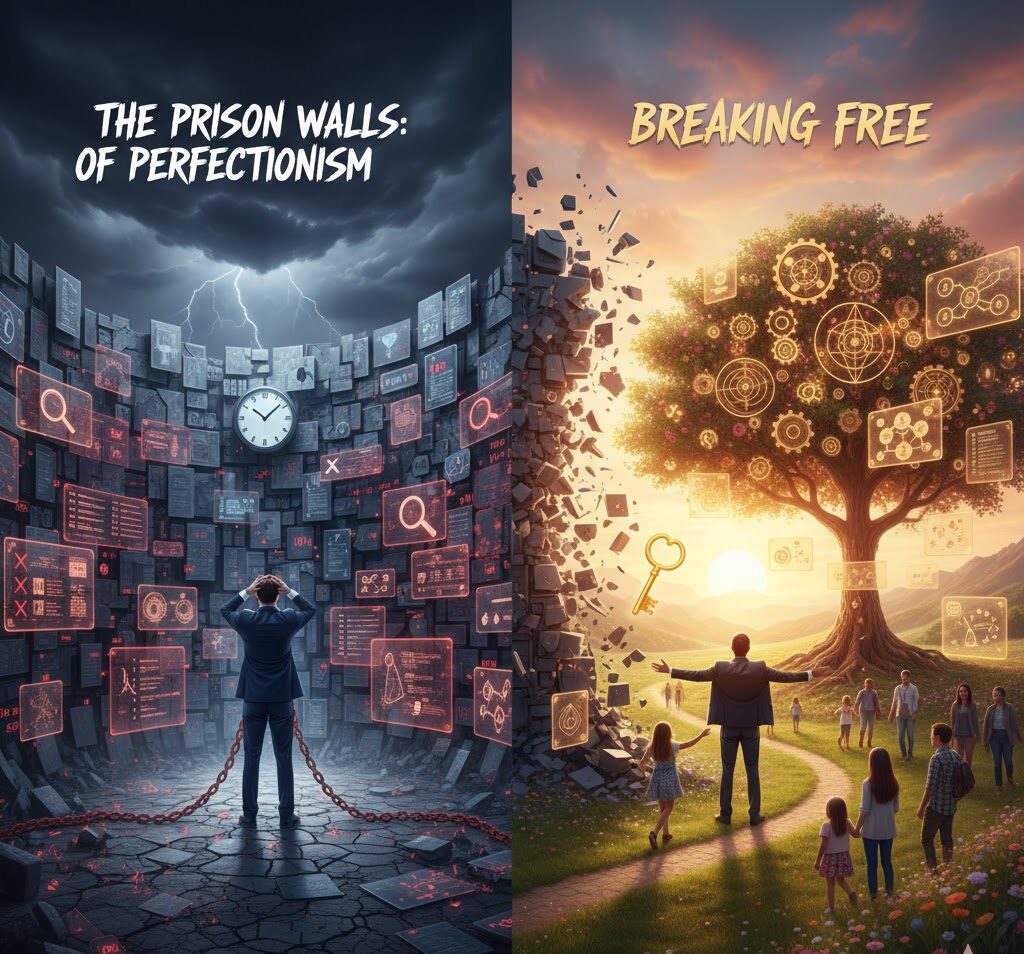
- Perfectionism: The belief that everything must be perfect leads to procrastination, self-criticism, and a fear of failure.
- Overthinking: Analyzing every detail, replaying past events, and worrying about the future can lead to anxiety, decision paralysis, and a loss of focus.
- Catastrophizing: Imagining the worst-case scenario and assuming that things will always go wrong.
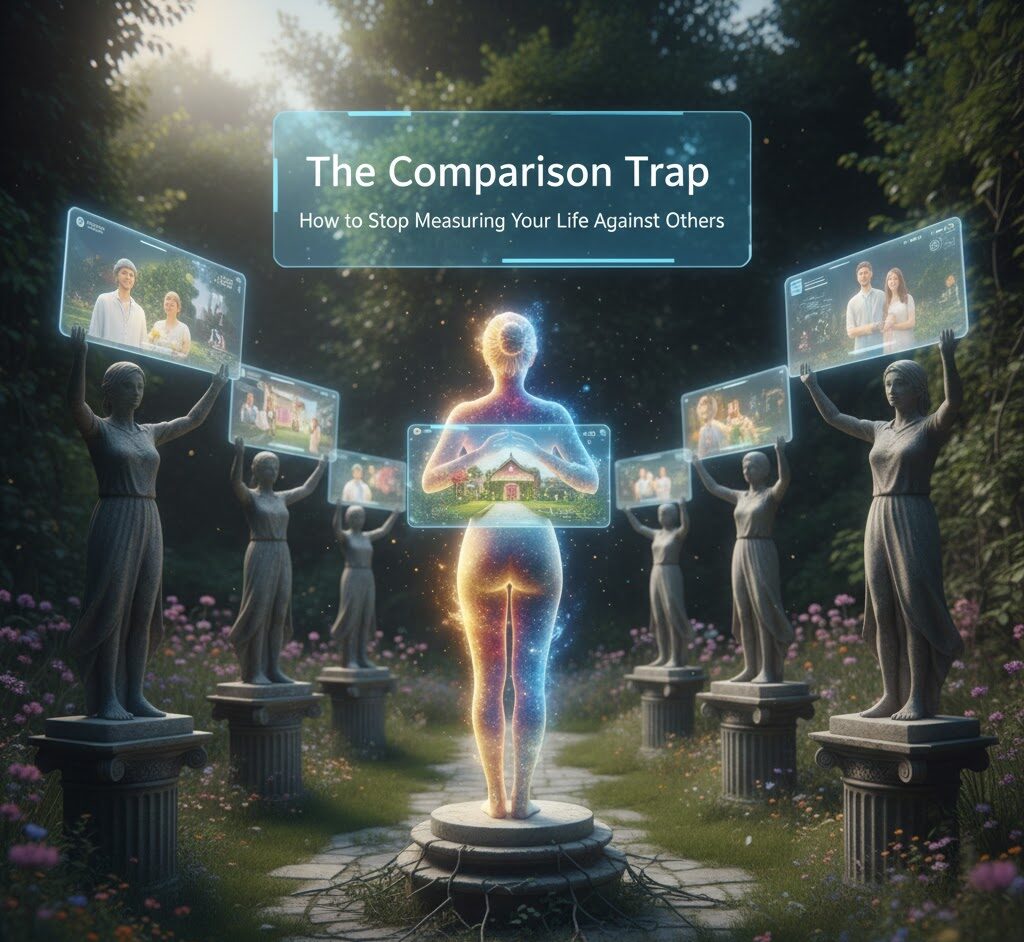
- Comparison: Measuring your worth against others, leading to feelings of inadequacy and envy.
- Negative self-talk: Internalizing critical voices and constantly putting yourself down.
How do we avoid these traps? The real shift begins when you see these patterns at play. It’s about developing self-awareness and learning to challenge your negative thoughts. Some practical strategies include:
- Practicing mindfulness: Paying attention to the present moment without judgment.
- Challenging negative thoughts: Questioning the evidence behind your thoughts and reframing them in a more balanced way.
- Setting realistic expectations: Recognizing that perfection is unattainable and focusing on progress, not perfection.
- Practicing self-compassion: Treating yourself with the same kindness and understanding you would offer a friend.
Busting Popular Mindset Myths: Beyond Surface-Level Positivity
The self-help industry is full of simplistic advice, quick fixes, and feel-good platitudes. While there’s nothing wrong with positivity, it’s often used as a crutch, a way to avoid the hard work of genuine inner transformation. Let’s bust some popular mindset myths:
- Myth: Positive thinking alone is enough.
- Truth: Positive thinking is a starting point, but it’s not a substitute for action, self-awareness, and a willingness to confront your inner demons.
- Myth: Confidence is a fixed trait.
- Truth: Confidence is built, not born. It comes from taking action, facing challenges, and learning from your experiences.
- Myth: Willpower is the key to success.
- Truth: Willpower is a finite resource. Sustainable change comes from changing your habits, your environment, and your mindset.
- Myth: You can change overnight.
- Truth: Real transformation takes time, effort, and consistency. It’s a journey, not a destination.
The focus on building a resilient mindset should be on the acceptance of discomfort, not the avoidance of it. It’s about building a solid foundation, which allows you to move through the inevitable struggles with grace and resilience. A deeper understanding of yourself and the world.
Practical Ways to Shift Your Thinking in Daily Life
Shifting your mindset isn’t a one-time event; it’s an ongoing process. It requires daily practice, conscious effort, and a willingness to step outside your comfort zone. Here are some practical ways to integrate mindset work into your everyday life:
- Start a gratitude practice: Regularly reflect on the things you’re grateful for. This can shift your focus from what’s lacking to what you have.
- Practice self-compassion: Treat yourself with kindness and understanding, especially when you make mistakes or face setbacks.
- Embrace challenges: Seek out opportunities to step outside your comfort zone.
- Challenge negative self-talk: When you catch yourself thinking negative thoughts, challenge them. Ask yourself, “Is this thought true? Is it helpful?”
- Set realistic goals: Break down your goals into smaller, manageable steps.
- Focus on progress, not perfection: Celebrate your successes, no matter how small.
- Learn from your mistakes: View failures as opportunities for growth and learning.
- Cultivate a growth mindset: Embrace challenges, see effort as the path to mastery, and learn from feedback.
It’s important to remember that these practices are not about achieving perfection, but about cultivating a more resilient and adaptable mindset. It’s about building the inner strength to navigate the inevitable challenges of life with greater ease and grace. If you want to dive deeper into the science of improving yourself, you can read more about how to reclaim your focus here.
Modern Relevance: Emotional Intelligence, Mental Resilience, and the Future
In today’s rapidly changing world, the ability to adapt, to bounce back from adversity, and to navigate complex emotions is more crucial than ever. Emotional intelligence and mental resilience are not just buzzwords; they’re essential skills for thriving in the 21st century.
The future belongs to those who can:
- Manage their emotions: Recognizing and regulating your own emotions, and understanding the emotions of others.
- Adapt to change: Being flexible and resilient in the face of uncertainty.
- Build strong relationships: Developing empathy, communication skills, and the ability to connect with others.
- Embrace lifelong learning: Being open to new ideas, new experiences, and continuous self-improvement.
The good news is that these skills can be learned and developed. They’re not innate traits; they’re skills that can be cultivated through practice, self-awareness, and a commitment to personal growth.
They are the keys to thriving in an increasingly complex and challenging world. This future will require you to continually adapt your mindset.
Jamgro also offers additional articles to help you begin your journey here.
FAQ: Your Mindset Questions Answered
Here are some frequently asked questions about mindset, with honest, grounded, and practical answers:
- What’s the difference between a growth mindset and a fixed mindset?A growth mindset is the belief that your abilities can be developed through dedication and hard work. A fixed mindset is the belief that your abilities are set in stone. People with a growth mindset embrace challenges, learn from criticism, and see effort as the path to mastery. People with a fixed mindset avoid challenges, ignore feedback, and give up easily.
- How do I stop overthinking?Practice mindfulness, challenge your negative thoughts, and focus on the present moment. Identify the triggers of your overthinking and develop strategies to manage them, such as setting time limits for worrying or engaging in activities that ground you.
- How can I build my self-confidence?Start by identifying your strengths and accomplishments. Set realistic goals, take action, and celebrate your successes. Challenge your negative self-talk and replace it with positive affirmations. Surround yourself with supportive people and seek out opportunities to step outside your comfort zone.
- What are some practical ways to deal with fear?Acknowledge your fear, but don’t let it paralyze you. Break down the feared situation into smaller, manageable steps. Expose yourself to the feared situation gradually. Practice relaxation techniques. Reframe your thoughts and challenge your negative beliefs.
- How do I change my negative self-talk?Become aware of your negative self-talk. Identify the patterns and the triggers. Challenge the negative thoughts by questioning their validity and looking for evidence to the contrary. Replace the negative thoughts with positive, realistic affirmations.
- Is it possible to develop a resilient mindset?Yes, resilience is a skill that can be developed. By embracing challenges, learning from failures, practicing self-compassion, and cultivating a growth mindset, you can build your resilience and bounce back from adversity with greater ease.
- How can I find my purpose?Reflect on your values, interests, and strengths. Experiment with different activities and explore your passions. Be open to new experiences and opportunities. Seek out mentors and role models. Your purpose is not always something you find, it’s something you create.
Ultimately, the courage to be uncomfortable is not just about enduring discomfort; it’s about transforming it. It’s about recognizing that the greatest growth often comes from the places we least want to go. It’s about building a life of resilience, purpose, and genuine fulfillment, one uncomfortable step at a time.