Ever feel like you’re running on a treadmill of your own making? You set goals, feel a burst of motivation, and then… something subtly pulls you back.
You might not even notice it, but this invisible force is often the most potent one, quietly dictating your outcomes. This isn’t about laziness or lack of willpower. It’s about a silent saboteur, a collection of mental habits and ingrained beliefs that keep you from the life you genuinely want.
I’ve seen this pattern countless times in my work with people from all walks of life. The high-achieving professional crippled by self-doubt. The student paralyzed by fear of failure. The entrepreneur who can’t seem to get out of their own way. They all share one thing in common: a disconnect between what they consciously want and what their subconscious mind allows. This is where the mind quietly sabotages progress, often without you even realizing it’s happening.
The Seeds of Self-Sabotage: Where Do These Patterns Come From?
Most people don’t realize how deeply their early experiences shape their inner world. These aren’t just isolated events; they weave themselves into a tapestry of beliefs that become the filter through which you see the world.
Think about it: if you were constantly told you weren’t good enough as a child, that message can become a core belief, even if your circumstances change.
Here’s the thing about these core beliefs: they operate in the background. They influence your thoughts, your feelings, and your actions, often without your conscious awareness.
It’s like a computer program running in the background, constantly influencing your results. A harsh comment from a parent can morph into the self-critical voice that hounds you during important presentations.
A perceived failure in school can solidify into the fear of not being smart enough to succeed in your career. These seemingly small moments build up over time to shape your view of yourself and the world.
The brain is wired for efficiency. Once it identifies a pattern, it tends to repeat it. That’s why habits are so hard to break. The more you reinforce a negative belief, the stronger it becomes, the more readily it will influence your choices. And because it’s subconscious, it’s not something you can just “think” your way out of. It requires a deeper level of awareness and a willingness to challenge those ingrained patterns.
How Your Mindset Plays the Ultimate Game of Keep-Away
Your mindset dictates how you approach challenges, how you handle setbacks, and how you perceive your own abilities. It’s the lens through which you see the world, and it colors everything. Let’s break down some common ways this silent sabotage plays out:
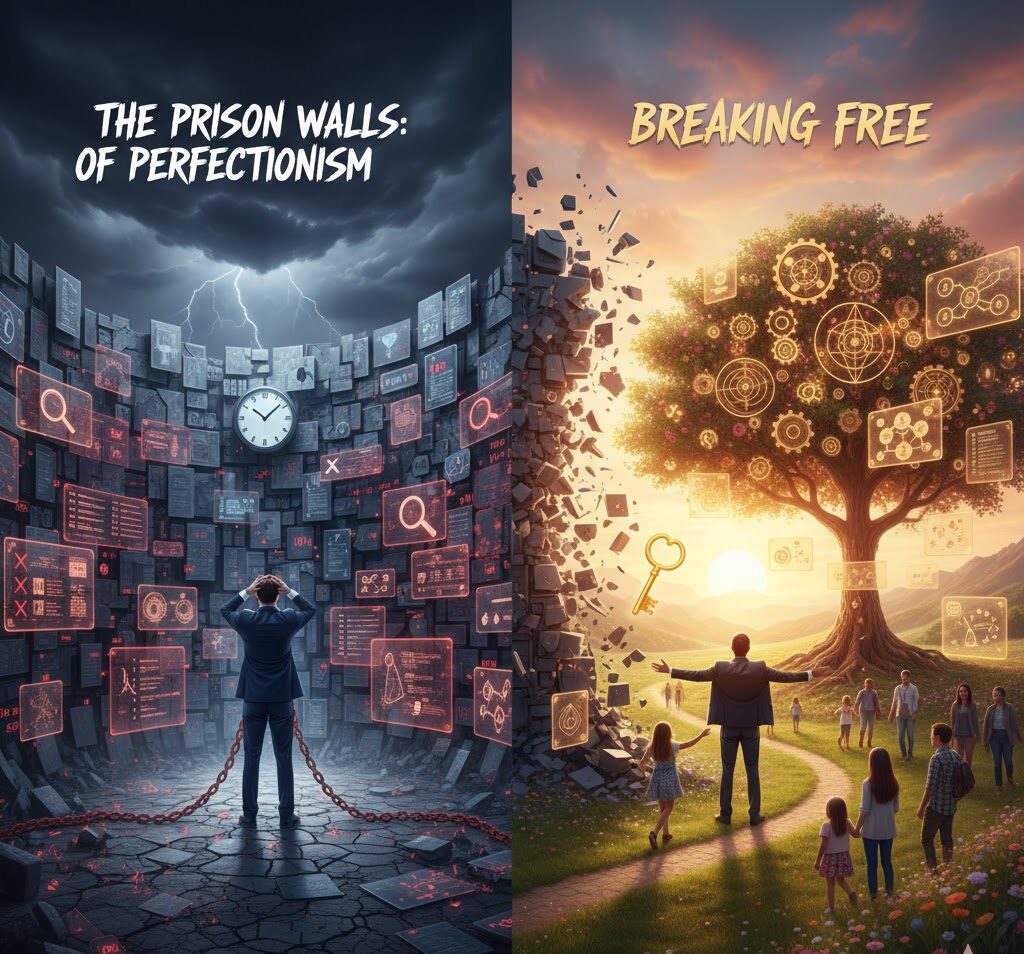
- The Perfectionist Trap: This is a classic. The belief that you must be flawless, or you are a failure. This leads to procrastination, fear of starting, and a general paralysis. The fear of not measuring up keeps you from even beginning.
- The Imposter Syndrome Shuffle: This sneaky one makes you feel like a fraud, even when you achieve success. You attribute your accomplishments to luck or timing rather than your own competence. The result? Constant anxiety and a fear of being “found out.”
- The Victim Mindset: Blaming outside forces for your circumstances. This keeps you stuck in a cycle of powerlessness. You believe you have no control over your life, which, of course, becomes a self-fulfilling prophecy.
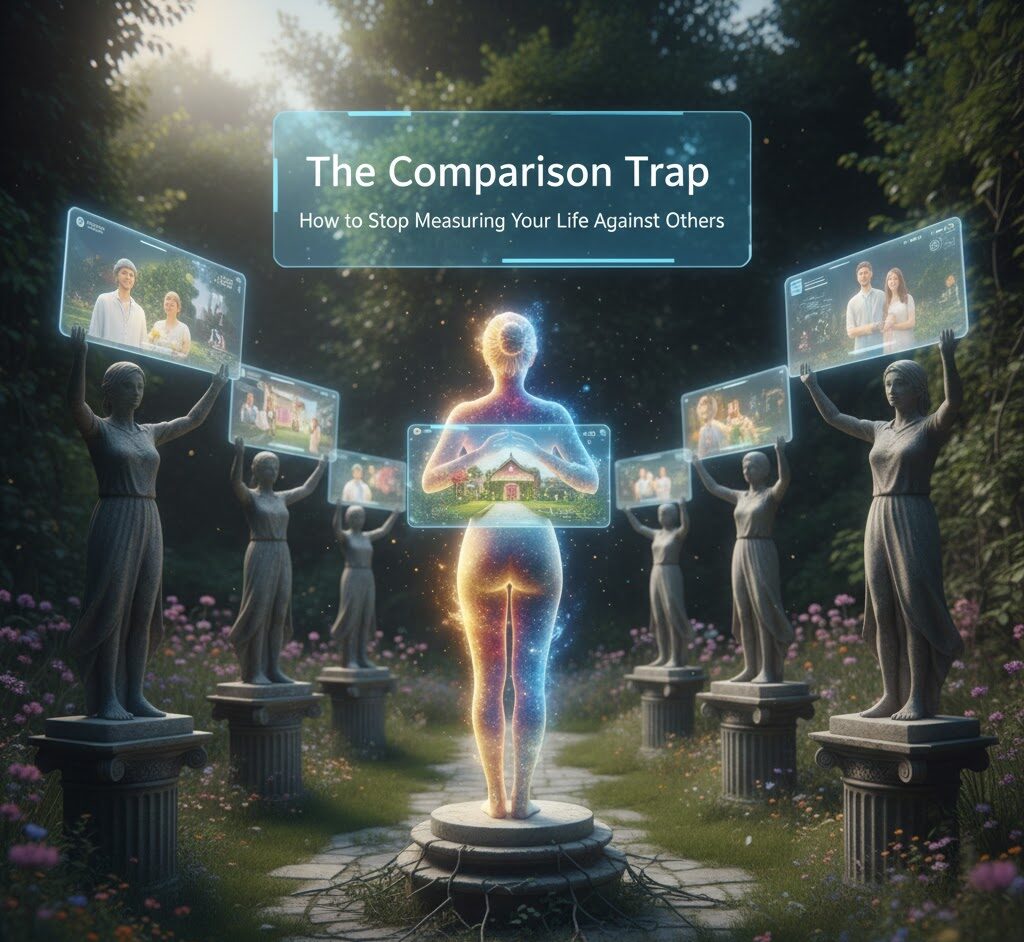
- The Comparison Game: Looking at what others have, rather than appreciating your own journey. Social media has only amplified this. This constant measuring can erode your self-worth and fuel feelings of inadequacy.
- The Overthinking Overload: Ruminating on past mistakes or worrying about the future. This mental hamster wheel drains your energy and prevents you from taking action in the present moment.
These aren’t just individual problems; they are interwoven. Perfectionism and imposter syndrome often go hand in hand. The comparison game fuels the victim mindset. Recognizing these interconnected patterns is the first step toward breaking free.
Beyond the Buzzwords: Dispelling the Myths of Mindset
The mindset space is flooded with catchy phrases and promises, but let’s get real. Here’s what’s often missing:
- Motivation Isn’t Enough: Sure, a motivational speech can give you a temporary boost. But sustained change requires deeper work. Real change comes from understanding and shifting the underlying beliefs and habits.
- Confidence Isn’t an Overnight Thing: The idea that you can simply “think” yourself into confidence is misleading. Building genuine confidence takes consistent action and confronting your fears.
- Willpower Alone Isn’t the Answer: Relying solely on willpower leads to burnout. True change is about working with, not against, your natural tendencies. It’s about understanding the underlying motivations and triggers that drive your behavior.
The journey to a more empowered mindset is not about faking it until you make it. It’s about building a genuine foundation of self-awareness, compassion, and practical strategies.
The Real Shift: Practical Ways to Rewrite Your Inner Script
So, how do you actually break free from the patterns that hold you back? It’s not about complex theories; it’s about making conscious choices in your everyday life. Here are some starting points:
- Become an Observer: Start paying attention to your thoughts and feelings. When you notice a negative thought pattern – self-doubt, fear, or comparison – acknowledge it. Don’t judge it; simply observe it. Ask yourself: “Where does this thought come from?”
- Challenge Your Beliefs: Question the stories you tell yourself. Are they really true? Are they helpful? Often, these beliefs are based on assumptions or past experiences that may no longer be relevant. What’s the evidence for and against this belief?
- Small Steps, Big Wins: Break down your goals into manageable steps. This prevents the overwhelm that fuels procrastination. Celebrate your small victories. These provide positive reinforcement and build momentum.
- Practice Self-Compassion: Treat yourself with the same kindness you would offer a friend. We all make mistakes. Learn from them and move on. Forgive yourself for not being perfect.
- Embrace Imperfection: Release the need to be perfect. Progress, not perfection, is the goal. Understand that failure is a part of the process, a learning opportunity, not an indictment of your worth.
- Focus on What You Can Control: Shift your energy away from things you can’t change (other people, past mistakes) and towards what you *can* influence: your thoughts, your actions, and your responses.
- Cultivate a Growth Mindset: Embrace challenges as opportunities for growth. See effort as the path to mastery. Learn from criticism. Celebrate the success of others.
The real shift begins when you see these practices not as additional items on your to-do list, but as a way of *being*. A way of navigating the world with more clarity, courage, and resilience.
Mindset in the Modern World: Navigating 2026 and Beyond
The mental landscape is constantly evolving. In 2026, we’re dealing with the ongoing impact of social media, the rise of AI, and ever-increasing societal pressures. The ability to manage your inner world is more critical than ever.
Here’s what this means:
- Emotional Intelligence is King: The ability to understand and manage your own emotions, as well as recognize the emotions of others, will be a defining skill. This includes self-awareness, self-regulation, empathy, and social skills.
- Mental Resilience is Non-Negotiable: The capacity to bounce back from adversity is crucial. This involves developing coping mechanisms for stress, cultivating a growth mindset, and building a strong support system.
- The Power of Presence: In a world of constant distraction, the ability to be present in the moment is increasingly valuable. This involves practicing mindfulness, meditation, and consciously disconnecting from technology.
- The Erosion of Boundaries: The lines between work, personal life, and online existence are blurring. This requires proactive strategies to protect your energy and time. Learn to say no, set boundaries, and prioritize your well-being.
The future of mindset is about developing the skills to thrive in a complex, fast-paced world. It’s about building a solid foundation of self-awareness, emotional intelligence, and mental resilience. The good news? These are skills you can cultivate, refine, and continuously improve.
Building a resilient mindset also involves understanding how to “audit” your energy. You can then stop working as hard and focus on working smarter while feeling good in the process.
Frequently Asked Questions
Here are some common questions people have about mindset, answered with a practical perspective:
- Is mindset really that important? Absolutely. Your mindset shapes your beliefs, your actions, and ultimately, your results. It’s the foundation upon which everything else is built.
- How do I change my mindset? It’s a process, not a destination. Start by becoming aware of your thoughts and feelings. Challenge your negative beliefs. Practice self-compassion. Take small steps in the direction of your goals.
- I’m struggling with self-doubt. What can I do? Recognize that self-doubt is common. Identify the specific thoughts that trigger it. Challenge those thoughts. Focus on your strengths and past successes. Celebrate small wins.
- Can I really change my mindset overnight? No. Mindset shifts take time and consistent effort. Be patient with yourself. Focus on progress, not perfection.
- What if I’m afraid of failure? Everyone fears failure. The key is to reframe it as a learning opportunity. Ask yourself: “What can I learn from this experience?” Embrace the process, and focus on growth.
- How do I stay motivated when things get tough? Remember your “why.” Connect with the deeper meaning behind your goals. Break down your goals into smaller, more manageable steps. Celebrate your progress. Build a strong support system.
- Is it possible to develop emotional resilience? Yes! Emotional resilience is a skill that can be developed through practice. This includes building self-awareness, practicing self-compassion, and developing healthy coping mechanisms.
- Where do I begin? Start by simply noticing your thoughts and feelings. Begin to identify patterns of thinking or behavior that are holding you back. Choose one small step you can take today to move forward.
The journey of mindset is not about becoming someone else; it’s about becoming more *you*. It’s about understanding the inner workings of your mind, breaking free from self-imposed limitations, and creating a life that feels authentic and aligned with your values. It’s a continuous process of self-discovery, learning, and growth. And it’s a journey worth taking.
I hope this article gave you some useful ideas and inspired you to take some action. I wish you the best on your journey of growth!
If you would like to go more in-depth on this topic, I would be happy to discuss it with you. You can find out more by visiting Jamgro.