Ever feel like you’re running on a hamster wheel, constantly striving for that next “like,” that fleeting moment of approval? I get it. We’re wired to seek validation. It’s a primal urge, a fundamental need for connection and belonging.
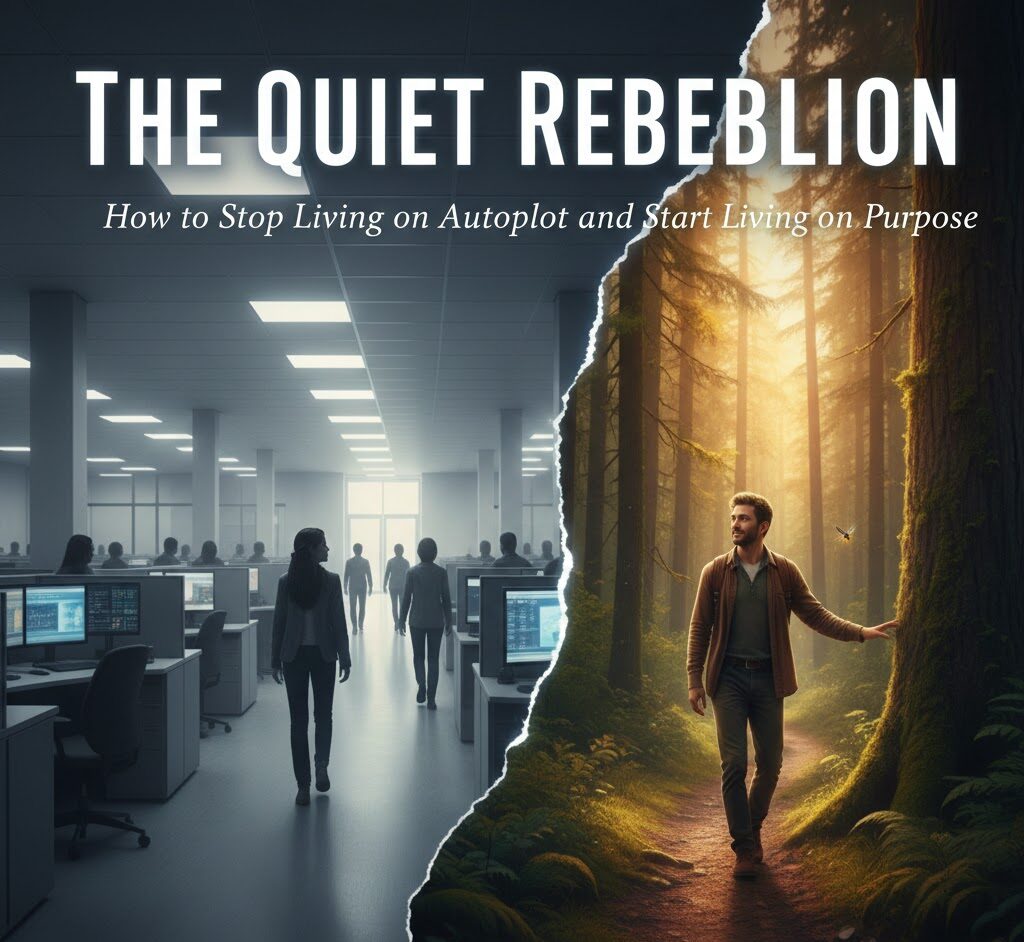
But somewhere along the line, this healthy desire can morph into an exhausting chase, a relentless pursuit of external validation that leaves us feeling empty, anxious, and utterly dependent on the opinions of others. This is the story of how I learned to break free. It started with my career. For years, I measured my success by the number of clients I had, the size of my paycheck, and the accolades I received. I lived and breathed performance, always pushing, always striving, always looking for external proof that I was “good enough.
This is where the mind quietly sabotages progress. My self-worth became inextricably linked to these external markers. When things were going well, I felt on top of the world. But when faced with challenges or criticism, I crumbled. My confidence, my sense of self, evaporated.
The Invisible Chains of Validation
Most people don’t notice this thought pattern, but the real work starts when you do. The core problem with seeking constant validation is that it puts you at the mercy of factors outside your control. You can’t control what others think or feel, and you certainly can’t control the ever-shifting landscape of social media trends.
When your sense of self hinges on these variables, you’re building your house on sand. A single negative comment, a missed opportunity, or a perceived failure can send you spiraling into self-doubt. You start to question your abilities, your worth, and your entire path.
This is precisely where the concept of “unseen” comes into play. It’s not about becoming invisible, but rather about cultivating a deep sense of self-acceptance that transcends the need for external approval.
It’s about finding the courage to be seen by *yourself*, to value your own thoughts, feelings, and experiences, regardless of what others may think.
The insidious thing about validation is that it often feels good in the short term. Those dopamine hits from likes, comments, and praise can be addictive. But like any addiction, the effect is temporary.
The high fades, and you’re left craving more, fueling the cycle of seeking and dependence. You begin chasing your own tail. This cycle reinforces
the idea that you are not complete without that external stamp of approval. You start to craft your life around what you *think* others want, not what truly resonates with your core self. Your actions, decisions, and even your dreams become filtered through the lens of external expectation.
Breaking Free: The Mindset Shifts
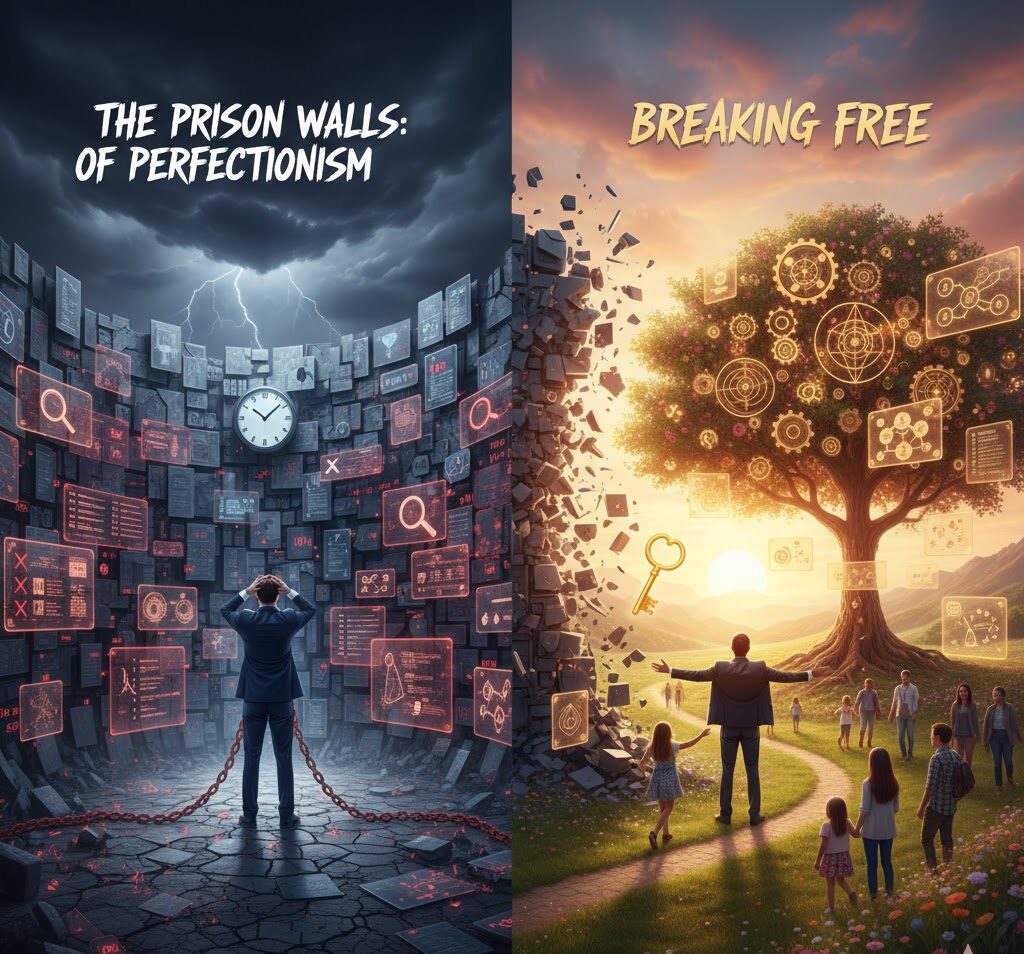
The real shift begins when you see this pattern for what it is: a learned behavior, a mental habit. And like any habit, it can be unlearned. It takes time, effort, and conscious awareness, but it’s absolutely possible to break free from the chains of validation and build a more authentic, fulfilling life.
Here are some key mindset shifts that have helped me, and might help you too:
- Challenge Your Inner Critic: We all have that inner voice, the one that whispers doubts and criticisms. The first step is to recognize this voice and understand that it’s often fueled by past experiences and societal pressures, not objective truth. Ask yourself: “Is this thought truly helpful? Is it based on facts, or is it based on fear?”
- Define Your Own Values: What truly matters to you? What principles guide your life? When you have a clear understanding of your values, you have an internal compass to guide your decisions. You can then measure your actions against these values rather than external metrics of success. This shift moves you from external validation to internal validation.
- Practice Self-Compassion: We are often our own harshest critics. Treat yourself with the same kindness and understanding you would offer a friend. Acknowledge your mistakes, learn from them, and move on without dwelling on what went wrong. Give yourself grace.
- Focus on the Process, Not the Outcome: Shift your focus from the end result to the journey itself. Celebrate the effort, the learning, and the growth that comes from the process. This helps to disconnect your self-worth from external outcomes. This is a tough one, because we are wired for rewards, but the joy is in the journey.
- Cultivate Gratitude: Take time each day to appreciate the good things in your life. This can be as simple as writing down three things you’re grateful for, or just taking a moment to savor a beautiful sunset. Gratitude shifts your focus from what you lack to what you already have.
- Set Boundaries: Learn to say “no” to things that drain your energy or compromise your values. Protect your time and energy so that you have space to focus on what truly matters.
- Embrace Imperfection: Perfection is an illusion. Striving for perfection will always lead to disappointment. Accept your imperfections, embrace your vulnerabilities, and allow yourself to be human.
The Modern Struggle: Validation in the Digital Age
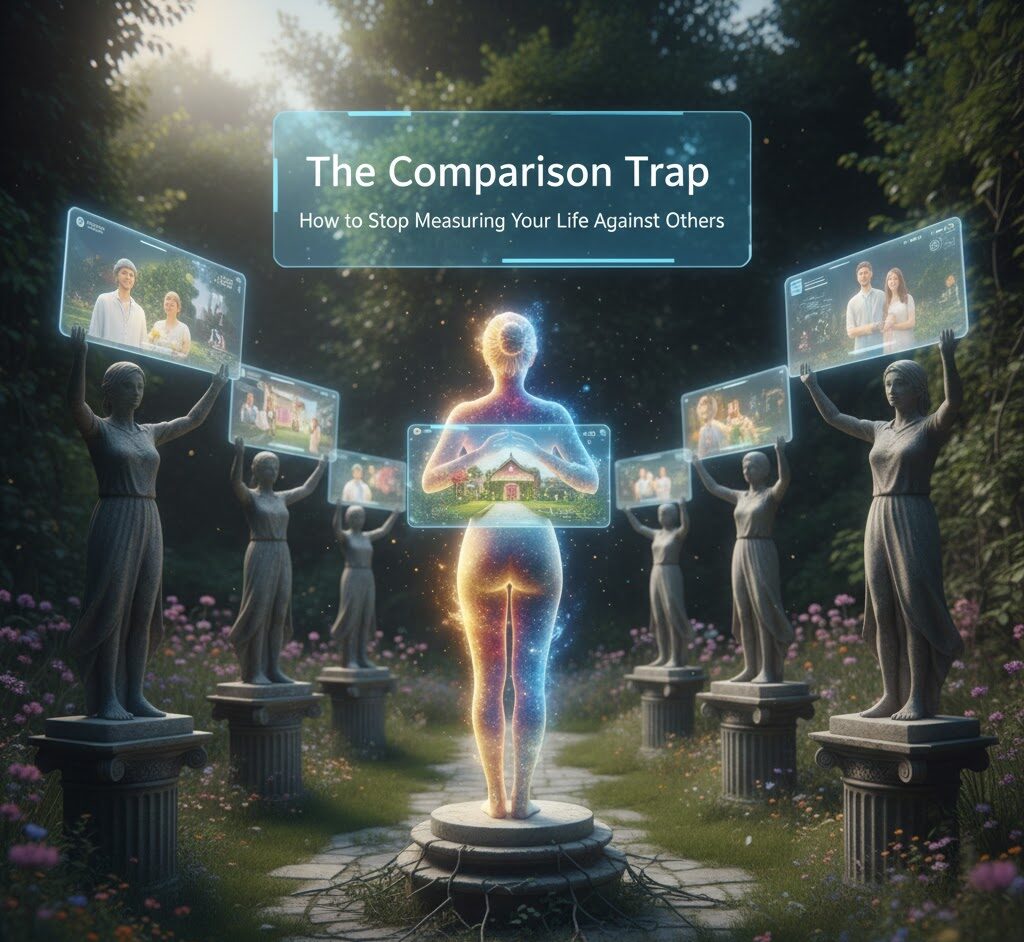
The digital age has amplified the validation game. Social media, in particular, has become a breeding ground for comparison and the pursuit of external approval.
We are constantly bombarded with curated images of perfection, leading us to believe that everyone else has it all figured out. This is a dangerous lie. We can get stuck on social media,
comparing ourselves to others, wondering why we do not measure up. It is important to remember that most of the content online has been crafted, and is not a true representation of reality. And even if we are not on social media, the influence and presence of it affects how we view ourselves and others.
The constant exposure to filtered realities can lead to increased anxiety, depression, and a heightened sense of inadequacy. We are wired for connection,
but the very platforms designed to connect us can often leave us feeling more isolated than ever. We need to remember that the virtual world is often not real. We need to find reality again.
Modern society is pushing us to get “likes” and “shares.” The modern age is testing our ability to maintain self-worth. That is why the “unseen” is more important than ever.
We must find the courage to disconnect from the endless scroll, to cultivate a healthier relationship with technology, and to remember that our worth is not defined by external metrics. The “Unseen” is the true path.
There are steps we can take. The first step is to recognize the power that these platforms have over us. The second is to intentionally carve out time away from them. And the third is to find things that connect us to the real world, and to our true selves.
Beyond Motivation: The Power of Self-Acceptance
One of the biggest mindset myths is that motivation alone will solve the problem. Motivation can be helpful, but it’s a fickle friend. It comes and goes, and it’s often fueled by external factors.
What happens when your motivation wanes, as it inevitably will? The answer is simple: your progress stalls, and you begin to doubt yourself. The same with confidence.
Confidence is not a destination. Confidence is a result of consistent action, self-compassion, and self-belief. It’s a journey, not an overnight transformation. The real key is self-acceptance. It’s about accepting yourself, flaws and all, and recognizing your inherent worth, regardless of your performance or external validation.
When you start from a place of self-acceptance, you’re not trying to prove anything to anyone. You’re free to pursue your goals, take risks, and learn from your mistakes without fear of judgment.
You’re building your house on solid ground, and this makes it easier to stay focused, and to move forward, even when the wind blows.
This goes hand in hand with resilience. Resilient people are not immune to setbacks or failures, but they approach them with self-compassion. They see failures as learning opportunities.
This is not something that is built overnight. It requires practice. It requires consistency. The mental and social environment we live in today puts our emotional intelligence and mental resilience to the test.
Practical Steps for Daily Life
So, how do you put this into practice? How do you actually *become* “unseen” in a world that seems to demand constant visibility?
- Start Small: Pick one area of your life where you feel the pressure to seek validation. Maybe it’s your work, your relationships, or your social media presence.
- Notice Your Thoughts: Pay attention to the thoughts and feelings that arise when you’re seeking validation. What are you hoping to gain? What are you afraid of losing?
- Challenge Your Beliefs: Question the assumptions that drive your behavior. Are your beliefs based on facts, or are they rooted in fear?
- Take Action: Start by taking small steps to detach from external validation. Maybe it’s limiting your social media time, or starting a new project just for yourself.
- Celebrate Your Progress: Acknowledge your wins, no matter how small. Focus on the effort and the learning, not just the outcome.
- Seek Support: Talk to a trusted friend, family member, or therapist. Sharing your struggles can make a huge difference.
- Practice Mindfulness: Mindfulness is not always about meditation. Practicing mindfulness helps you to be present and helps you to not get caught up in thoughts that don’t serve you.
Remember that this is a journey, not a destination. There will be setbacks along the way. But with consistent effort and self-compassion, you can gradually shift your mindset and build a life that’s rooted in authenticity, self-acceptance, and true freedom.
Future Outlook: Emotional Intelligence and Mental Resilience
The future of mental wellbeing lies in emotional intelligence and mental resilience. The ability to understand, manage, and express emotions in healthy ways will become increasingly critical.
Emotional intelligence is not a skill that you’re born with, it is a skill that can be built and improved with practice. Mental resilience is your ability to bounce back from challenges. The ability to adapt and thrive in the face of adversity is key to navigating the complexities of the modern world.
Cultivating these skills will be essential for navigating the ever-changing landscape of the 2020s and beyond. The ability to detach from the need for external validation, to cultivate self-compassion, and to build a strong sense of self will be your greatest assets in the years to come.
One of the best ways to build your emotional intelligence is to slow down. Slowing down will improve your ability to be present. You will notice your thoughts and feelings.
You will also begin to notice your patterns of behavior. You will be able to start to break the cycle of needing validation. This might be a good time to check out The Untapped Power of Slow Productivity: Why Rushing Is Ruining Your Results. It can teach you how to slow down and create space for self-reflection.
FAQ
Here are some of the questions I often get asked:
- How do I stop caring what others think? This is not about completely erasing your desire for connection. It’s about building a solid sense of self-worth that is not dependent on other people’s opinions. You can start by challenging negative self-talk, setting boundaries, and focusing on your values.
- Is it selfish to focus on my own needs? Absolutely not! Prioritizing your own well-being is not selfish. It’s essential. When you take care of yourself, you’re better equipped to help others.
- What if I’m afraid of being judged? Fear of judgment is common. The key is to recognize that judgment often comes from our own insecurities. The “unseen” is about finding the courage to be seen by yourself.
- How can I build my self-esteem? Self-esteem is built through consistent actions, not just words. Set small goals, celebrate your successes, and practice self-compassion.
- What if I’m addicted to social media? The first step is awareness. Track your usage, identify your triggers, and gradually reduce your time online. Replace social media with activities that bring you joy and help you connect with yourself.
- How can I find my purpose? Your purpose is not something you “find” it is something you build. Explore your interests, try new things, and pay attention to what feels meaningful to you. Your purpose will evolve over time.
- How long will it take to break free from needing validation? There is no timeline. It is not an overnight process. It’s a journey, not a destination. Be patient with yourself, and celebrate your progress along the way.
- Where can I learn more? Explore resources on self-compassion, mindfulness, and emotional intelligence. Consider working with a therapist or coach. And feel free to visit Jamgro to explore more articles and resources on mindset and personal growth.