Ever feel like you’re living two lives? One on the surface, where you show up, get things done, and try to look ‘together.’ And the other, the hidden one, where a whirlwind of thoughts, emotions, and doubts rages within? This, my friend, is the untamed self. The part of you that’s constantly shifting, questioning, and sometimes, flat-out sabotaging your peace.
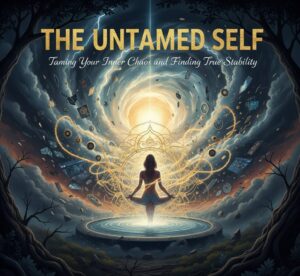 We all have this untamed aspect. It’s not a flaw; it’s the raw, unfiltered essence of being human. But left unchecked, this inner chaos can lead to anxiety, indecision, and a general feeling of being lost at sea. The goal isn’t to eliminate the chaos – that’s impossible and, frankly, undesirable. The goal is to tame it. To bring a sense of order and stability to the untamed self so you can actually live your life, instead of being tossed around by your inner storms.
The Seeds of Inner Turmoil: Where Does the Chaos Begin?
The untamed self isn’t born overnight. It’s a gradual accumulation of experiences, beliefs, and patterns. Think of it like a garden. If you don’t tend to it, weeds will inevitably grow, choking out the flowers. These weeds in your inner garden are the negative thought patterns, limiting beliefs, and unaddressed emotions that fuel the chaos.
Here’s how it usually starts:
- Childhood Programming: The messages you received as a child – both spoken and unspoken – form the foundation of your self-image. Were you praised for perfection? Criticized for mistakes? These experiences shape how you perceive your worth.
- Social Conditioning: Society bombards us with expectations about who we should be, how we should look, and what we should achieve. This pressure cooker can lead to a constant sense of not being “enough.”
- Traumatic Experiences: Trauma, big or small, leaves a lasting imprint. It can rewire your brain to perceive threats, creating heightened anxiety and fear.
- Habitual Thinking: Over time, your brain creates shortcuts. These shortcuts, or habits of thought, can become negative loops – constantly replaying worries, doubts, and self-criticism.
Most people don’t realize they’re caught in these loops. They assume their thoughts are facts, not just patterns. This lack of awareness is the breeding ground for the untamed self to run wild.
The Impact of an Untamed Self: How Chaos Manifests in Your Life
The effects of an untamed self ripple out into every area of your life. It’s like a computer with too many programs running in the background, slowing everything down.
Here are some common ways chaos shows up:
- Procrastination and Inaction: The fear of failure, perfectionism, or simply feeling overwhelmed can paralyze you, keeping you stuck in analysis paralysis.
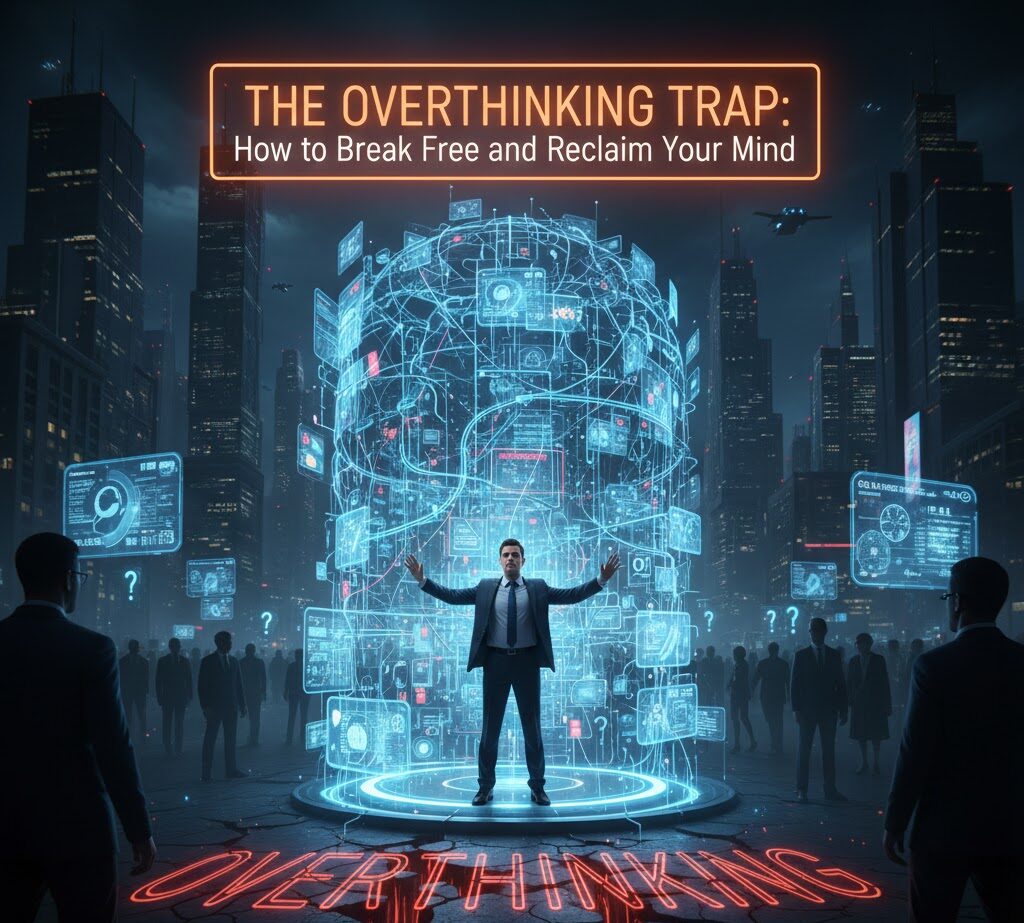
- Anxiety and Overthinking: Your mind becomes a relentless worry machine, constantly anticipating worst-case scenarios and replaying past mistakes.
- Emotional Reactivity: Minor triggers can set off major emotional explosions. You swing between extremes, from feeling elated to crashing into despair.
- Self-Sabotage: You find yourself making decisions that seem to work against your own best interests – starting projects, only to quit, or pushing away relationships that offer support.
- Difficulty with Boundaries: You struggle to say “no,” constantly prioritizing others’ needs over your own, leading to resentment and burnout.
- Low Self-Esteem: A constant stream of self-criticism erodes your sense of worth, making it difficult to believe in your abilities and potential.
Sound familiar? These aren’t signs of weakness. They’re simply signals that your inner landscape needs some tending.
Breaking Free: Practical Steps to Tame Your Inner World
The good news is, you can tame the chaos. It’s not about becoming a perfectly calm, emotionless robot. It’s about developing the skills and awareness to navigate your inner world with greater ease and resilience. Here are some actionable steps:
1. Cultivate Self-Awareness: Your Compass in the Storm
This is where it all begins. You can’t change what you don’t notice. Start paying attention to your thoughts, feelings, and behaviors without judgment.
How to do it:
- Journaling: Write down your thoughts and feelings. Don’t worry about grammar or coherence – just let it flow.
- Mindfulness Meditation: Even a few minutes a day can help you become more present and aware of your inner experience.
- Pay Attention to Your Body: Notice physical sensations like a racing heart, clenched jaw, or tight shoulders. They are often signals of emotional distress.
- Self-Reflection: Regularly ask yourself questions like, “What am I feeling right now?” or “What thoughts are running through my head?”
The goal is to become an observer of your inner world, not a victim of it. This is a very important first step towards growth.
2. Challenge Negative Thoughts: Re-Wiring Your Inner Dialogue
Once you start noticing your thoughts, you can begin to question them. Are they based on facts or assumptions? Are they helpful or harmful?
How to do it:
- Identify Thought Patterns: Recognize common negative thought patterns like catastrophizing (“everything will go wrong”), all-or-nothing thinking (“I’m a complete failure”), or overgeneralization (“this always happens to me”).
- Question Your Thoughts: Ask yourself: Is this thought really true? Is there another way of looking at this situation? What evidence do I have to support this thought? What evidence do I have against it?
- Reframe Your Thoughts: Replace negative thoughts with more balanced and realistic ones. For example, instead of “I’m going to fail,” try “This is challenging, but I’ve overcome challenges before.”
This is not about forcing yourself to think positive. It’s about developing a more objective and balanced perspective.
3. Cultivate Emotional Regulation: Weathering the Storms
Emotions are part of the human experience, even the “bad” ones. Instead of trying to suppress them, learn to navigate them with skill.
How to do it:
- Name Your Emotions: Labeling your emotions (e.g., “I’m feeling anxious,” “I’m feeling frustrated”) can help you understand them better.
- Practice Deep Breathing: When you feel overwhelmed, take slow, deep breaths to calm your nervous system.
- Engage in Physical Activity: Exercise can release endorphins and help you process difficult emotions.
- Set Healthy Boundaries: Protect your energy by saying “no” to things that drain you and setting limits on how much you take on.
- Seek Support: Talk to a friend, therapist, or counselor. Sometimes, simply talking about your feelings can help you process them.
Emotional regulation is not about eliminating emotions. It’s about developing the ability to experience them without being overwhelmed by them. It’s about allowing yourself to feel, and then move forward.
4. Build Self-Compassion: Your Greatest Ally
Treat yourself with the same kindness and understanding you would offer a dear friend. This is crucial for healing the untamed self.
How to do it:
- Practice Self-Kindness: Speak to yourself in a gentle and supportive tone. Avoid harsh self-criticism.
- Recognize Your Common Humanity: Remind yourself that everyone struggles. You’re not alone in your challenges.
- Practice Mindfulness: Pay attention to your thoughts and feelings without judgment. Observe your inner world with curiosity and compassion.
- Forgive Yourself: Let go of past mistakes. Everyone messes up sometimes. Learn from your mistakes and move on.
Self-compassion is the antidote to the harshness of the inner critic. It is the foundation for lasting change. It’s an act of radical self-love.
5. Take Consistent Action: From Insights to Habits
Knowledge is only potential power. The real shift comes from applying these principles in your daily life.
How to do it:
- Set Realistic Goals: Break down large goals into smaller, manageable steps. This will help you avoid feeling overwhelmed and increase your sense of accomplishment.
- Create a Routine: Establish a consistent daily routine that supports your well-being. This might include exercise, meditation, journaling, and healthy eating.
- Track Your Progress: Keep a journal or use an app to track your progress and celebrate your successes.
- Be Patient: Changing your mindset takes time and effort. There will be setbacks. That’s okay. Keep going.
- Embrace Imperfection: Don’t strive for perfection. Strive for progress.
Consistency is the key. Make these practices a non-negotiable part of your life, and you will see gradual, but profound, changes.
The Power of a Tamed Self: The Rewards of Inner Peace
The journey to tame your inner chaos is an ongoing process, not a destination. There will be times when the storms rage, and you feel swept away. That’s normal. The key is to keep returning to these practices, learning from your experiences, and growing stronger with each passing day.
The rewards of a more tamed self are immense:
- Greater Emotional Resilience: You’ll be better equipped to handle stress, setbacks, and difficult emotions.
- Increased Clarity and Focus: Your mind will be less cluttered, allowing you to think more clearly and make better decisions.
- Improved Relationships: You’ll be more present, empathetic, and able to communicate your needs effectively.
- Enhanced Self-Confidence: As you learn to navigate your inner world, you’ll develop a stronger sense of self-worth and belief in your abilities.
- Increased Sense of Purpose and Meaning: When you’re not constantly battling your inner demons, you have more energy to pursue your passions and live a life aligned with your values.
This is where the mind quietly sabotages progress….
In short, taming your untamed self is not just about feeling better; it’s about living a richer, more meaningful life. It’s about becoming the architect of your own inner world and building a life of true stability and freedom.
Modern Relevance: The Untamed Self in a Hyper-Connected World
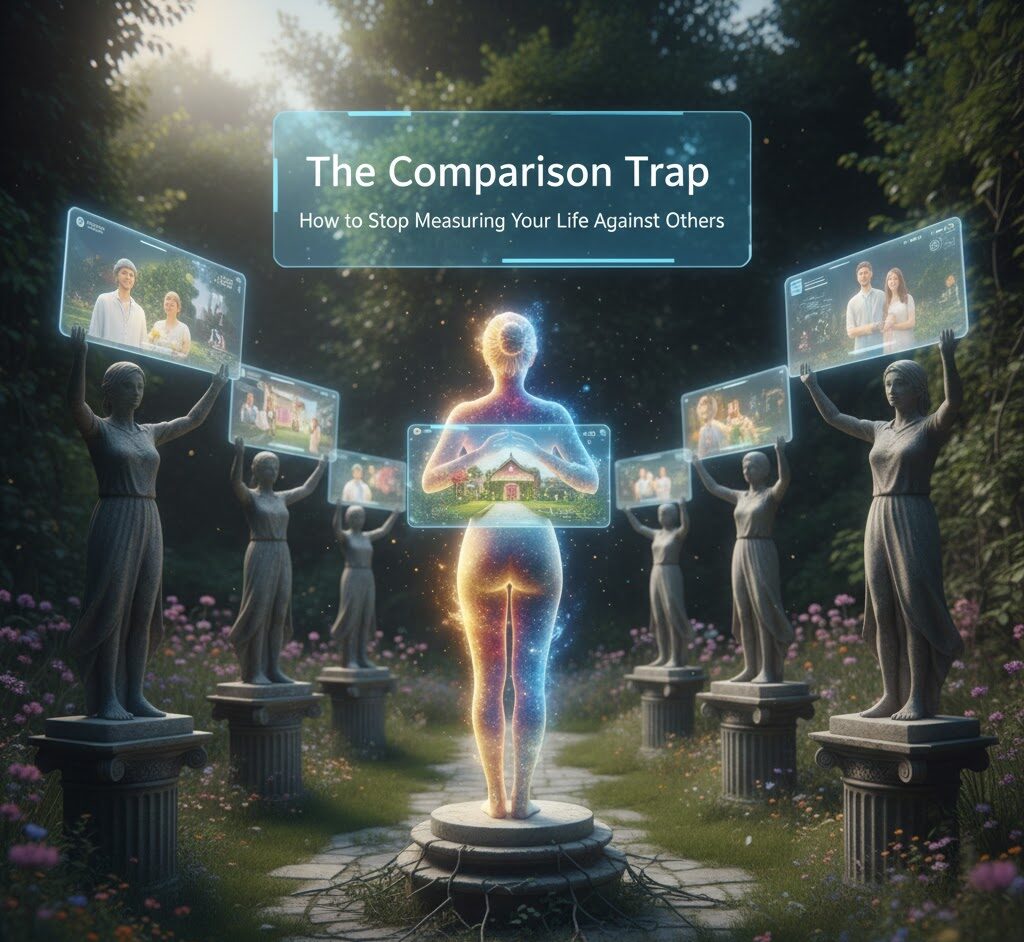
In today’s world, we’re bombarded with information, social media pressures, and constant stimulation. This environment can amplify the chaos within. The constant need to “keep up” and the fear of missing out (FOMO) fuel anxiety, comparison, and a sense of never being good enough.
In 2026, emotional intelligence and mental resilience are not just buzzwords. They are essential life skills. The ability to navigate your inner world with skill and grace is becoming increasingly important for success, both personally and professionally.
That is why taking action to tame your inner self is not a luxury, but a necessity. It’s an investment in your well-being and your future. The ability to manage your inner state can make a big difference in the quality of your life.
Mindset Myths Debunked: Real Talk on Common Misconceptions
The world is filled with myths about mindset. Let’s separate fact from fiction:
-
- Myth: Positive thinking alone can solve all your problems.
Reality: Positive thinking is helpful, but it’s not a magic wand. Ignoring negative emotions or problems doesn’t make them disappear. True mindset work involves acknowledging and processing difficult emotions, not just pretending they don’t exist.
-
- Myth: Confidence is a feeling that comes naturally to everyone.
Reality: Confidence is a skill that can be developed. It’s built through taking action, facing challenges, and learning from your mistakes. It’s not something you are born with.
-
- Myth: Willpower is enough to change your habits.
Reality: Willpower is a limited resource. Relying solely on willpower leads to burnout. Sustainable habit change requires understanding your underlying patterns, creating supportive systems, and building intrinsic motivation. Check out The Unseen Enemy of Your Day: How Time Blindness Sabotages Your Productivity to learn more about how your mind works when tackling habits.
-
- Myth: You can completely eliminate negative thoughts.
Reality: It’s not realistic to eliminate negative thoughts completely. The goal is to reduce their frequency and intensity, and to develop the ability to respond to them in a more balanced and skillful way. This takes time, patience, and practice. It is about control, not elimination.
Frequently Asked Questions (FAQ)
Here are some common questions about taming your untamed self:
1. How do I know if my inner chaos is a problem?
If you’re experiencing chronic anxiety, overthinking, difficulty making decisions, emotional reactivity, or self-sabotaging behaviors, it’s likely that your inner chaos is impacting your life. If you feel like your thoughts and feelings are controlling you, it’s a good sign that it’s time to take action.
2. Where do I start if I want to change my mindset?
Start with self-awareness. Begin to observe your thoughts, feelings, and behaviors without judgment. Journaling, mindfulness meditation, and simply paying attention to your inner experience can be great starting points.
3. How long does it take to change my mindset?
It depends. There’s no magic time. It’s a journey, not a destination. Consistent effort and patience are key. Some changes may be noticeable within weeks, while deeper shifts take months or even years. Be kind to yourself and celebrate small victories.
4. What if I try these techniques and they don’t work?
It’s important to remember that there is no one-size-fits-all approach. If a technique doesn’t work, don’t give up. Experiment with different strategies, seek guidance from a therapist or coach, and be open to trying new things. Also, be patient. Progress can be slow and you may not see results immediately.
5. Should I seek professional help?
If your inner chaos is significantly impacting your life, if you’re experiencing symptoms of anxiety or depression, or if you’re struggling to cope, consider seeking professional help from a therapist or counselor. They can provide support, guidance, and tools to help you navigate your challenges.
6. Is there a quick fix?
No. Sustainable change requires effort, consistency, and a willingness to explore your inner world. Beware of anyone promising a quick fix. The real work is in the journey, not the destination.
7. How do I stay motivated when it feels hard?
Focus on your “why.” Connect with your values and the reasons you want to change. Celebrate your progress, even the small wins. Practice self-compassion. Remember that setbacks are a normal part of the process. Seek support from others when you need it.
8. Can I really change my mindset?
Yes. Your brain is incredibly adaptable. With consistent effort, you can re-wire your thought patterns, build emotional resilience, and create a more fulfilling life. The key is to start, be patient, and keep going.
Conclusion: The Path to True Stability
Taming your untamed self is a journey of self-discovery, growth, and empowerment. It requires courage, commitment, and a willingness to explore the depths of your inner world. But the rewards – increased emotional resilience, greater clarity, and a deeper sense of purpose – are well worth the effort.
Start today. Take one small step. The path to true stability begins with a single moment of self-awareness. The untamed self doesn’t have to be a source of fear or frustration. It can be a source of strength, creativity, and profound inner peace. And isn’t that what we all ultimately seek?