Let’s be real. The job market today is brutal. It’s not just about having the right degree or a killer resume anymore. Everybody’s got those. You need something more. You need a superpower. And that superpower? It’s resilience.
I’ve seen it countless times in my 20+ years in the career trenches. Bright, talented people crash and burn not because they lack skills, but because they can’t handle the inevitable setbacks. They get knocked down once, twice, and then they’re out. Their careers stall before they even truly begin. They lose confidence, second-guess every decision, and sometimes, they just give up.
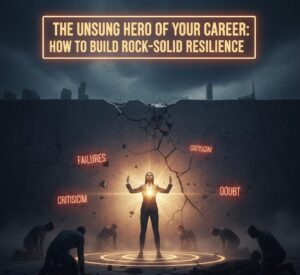 I’m here to tell you that it doesn’t have to be this way. Resilience isn’t some magical quality you’re born with. It’s a skill. And like any skill, you can learn it, practice it, and get damn good at it. This isn’t just about bouncing back; it’s about bouncing *forward*. It’s about turning obstacles into opportunities and setbacks into springboards. And it’s what separates those who just survive from those who truly thrive.
Why Resilience Actually Matters (And Why You Need It Now)
Forget the fluffy, corporate definitions. In the real world, resilience is about your ability to:
- Cope with stress: The pressure is always on, whether you’re a recent graduate or a seasoned executive. The ability to manage stress and stay calm under pressure is critical.
- Adapt to change: Companies are restructuring, industries are evolving, and the only constant is…well, you know. Adaptability, a close cousin of resilience, is key.
- Recover from failure: You will fail. Everyone does. The difference is how quickly you dust yourself off and try again.
- Learn from mistakes: Turning a mistake into a lesson learned is the cornerstone of growth.
- Maintain a positive outlook: This doesn’t mean being a relentlessly cheerful Pollyanna. It means believing that things will get better and focusing on solutions rather than dwelling on problems.
Hiring managers notice this immediately. The candidate who crumbles under pressure? Gone. The one who throws a tantrum when they don’t get what they want? Gone. The one who blames everyone else for their problems? Gone. They’re looking for someone who can roll with the punches. Someone who won’t crack when the going gets tough. Someone who can get the job done, no matter what.
And let’s be clear: This isn’t just about surviving your current job. It’s about building a career that lasts. It’s about weathering economic downturns, industry shifts, and all the curveballs life throws your way. People with strong resilience are more likely to get promoted, earn more money, and experience a higher level of job satisfaction. They also tend to be happier, healthier, and more successful in all areas of their lives.
Where Skills Look Good on Paper but Break Down at Work
I’ve reviewed countless resumes, and they all look pretty good, right? “Excellent communication skills,” “Strong problem-solving abilities,” “Proven leadership experience.” But when it comes to resilience, the gap between what people *say* and what they *do* is often massive. Skills look good on resumes but break down at work.
Here’s where it gets interesting, and this is where most candidates fail:
- The “Perfectionist” Trap: Perfectionists often struggle with resilience. They set impossibly high standards for themselves and when they fail (which they inevitably will), they can crumble. They get caught up in the details, miss deadlines, and often burn out.
- The “Blame Game”: Blaming others (or the circumstances) for your failures is a classic sign of low resilience. Instead of learning from mistakes, you spend your time making excuses.
- The “Avoidance” Strategy: Avoiding difficult situations or conversations might seem like a solution in the short term, but it’s a killer for long-term resilience.
- The “Victim Mentality”: Thinking the world is against you and that you are powerless to change your circumstances. This is a sure-fire way to kill your career prospects.
- The “Lack of Self-Awareness”: People who don’t understand their strengths and weaknesses struggle to manage their emotions and reactions effectively.
The core problem? These individuals haven’t developed the critical habits and mindsets of resilient people. They might have the skills, the knowledge, and even the experience, but they lack the inner strength to navigate the inevitable challenges of the workplace.
How Resilience Is Used at Work (It’s Not What You Think)
Resilience isn’t just about “toughing it out.” It’s an active process of managing your thoughts, emotions, and behaviors in the face of adversity. Here’s how it actually plays out in the workplace:
- Handling Criticism: A resilient person doesn’t take feedback personally. They listen carefully, ask clarifying questions, and use the information to improve.
- Dealing with Rejection: Whether it’s a job application or a project proposal, rejection is a part of life. A resilient person acknowledges the disappointment, analyzes what went wrong, and moves on, stronger and wiser.
- Navigating Conflict: Conflict is unavoidable, but resilient people don’t shy away from it. They approach difficult conversations with a calm and constructive mindset, seeking solutions rather than assigning blame.
- Managing Setbacks: Projects will fail, deadlines will be missed, and things will go wrong. Resilient people acknowledge the setback, learn from it, and quickly get back on track.
- Coping with Stress: Resilient people have healthy coping mechanisms for stress, such as exercise, mindfulness, or spending time with loved ones. They also know when to ask for help.
Common Mistakes and How to Avoid Them
So, how do you build this all-important resilience muscle? Here are some common mistakes to avoid, along with practical tips to help you:
- Mistake: Waiting for a Crisis to Build Resilience: You don’t build resilience in a crisis. You build it *before* the crisis hits.
- Solution: Start small. Take on challenges, step outside your comfort zone, and practice handling difficult situations. Gradually increase the stakes.
- Mistake: Not Asking for Help: Thinking you have to go it alone is a surefire way to burnout.
- Solution: Build a strong support network of mentors, colleagues, and friends. Don’t be afraid to ask for help when you need it.
- Mistake: Dwelling on Negative Thoughts: Getting stuck in a loop of negativity can be paralyzing.
- Solution: Practice gratitude. Focus on what you’re thankful for and celebrate your successes, no matter how small. Challenge negative thoughts with evidence.
- Mistake: Ignoring Your Physical and Mental Health: You can’t be resilient if you’re not taking care of yourself.
- Solution: Prioritize sleep, exercise, and a healthy diet. Schedule time for activities you enjoy. Make sure you take regular breaks. If you are struggling, don’t hesitate to seek professional help.
- Mistake: Believing Resilience is Fixed: Thinking you’re either “born resilient” or not is a major stumbling block.
- Solution: Remember, resilience is a skill. It can be developed and strengthened over time with consistent effort and practice. This is how you can achieve real job-ready skills.
The Long-Term Impact: Why Resilience Pays Off
The impact of resilience on your career is profound. It’s not just about surviving; it’s about thriving. Here’s a sneak peek at the long-term rewards:
- Increased Salary: Resilient people are more likely to be promoted and take on leadership roles, which translates to higher earnings.
- Faster Career Growth: Resilient people learn from their mistakes and are better equipped to handle new challenges, which accelerates their career trajectory.
- Greater Job Security: In times of economic uncertainty, resilient employees are seen as valuable assets and are less likely to be laid off.
- Enhanced Job Satisfaction: Resilient people are better equipped to cope with stress, manage conflict, and find meaning in their work, leading to greater job satisfaction.
- Improved Health and Wellbeing: Resilience is linked to lower stress levels, better mental health, and a stronger immune system.
The ability to bounce back isn’t just a soft skill; it’s a key factor in your overall success.
Resilience in the Modern Workplace (2025–2026 and Beyond)
The world is changing faster than ever. The skills you need to thrive today might be obsolete tomorrow. The ability to adapt and bounce back from change is becoming increasingly important. Here’s what’s on the horizon:
- The Rise of Remote Work: Remote work brings a new set of challenges, including isolation, blurred boundaries, and increased distractions. Resilience will be essential for staying focused, managing time effectively, and maintaining work-life balance.
- The Impact of AI: AI will automate many routine tasks, requiring workers to develop higher-level skills, such as critical thinking, creativity, and problem-solving. Resilient people will be better equipped to adapt to these changes and learn new skills.
- The Focus on Mental Health: Companies are increasingly recognizing the importance of employee well-being. Resilience training and support systems will become more common, and employees who prioritize their mental health will be more successful.
- The Gig Economy: The rise of the gig economy means more people will be working as freelancers or contractors. Resilience will be essential for managing the instability, uncertainty, and constant need to find new opportunities.
If you’re looking for a related article on how to be productive, check out The Busy Trap: How Overwork & Activity Masks True Productivity. You may find some useful ways to apply resilience to your work.
Myth Busting: What You Think You Know About Resilience (That’s Probably Wrong)
There’s a lot of misinformation out there about resilience. Let’s set the record straight:
- Myth: Resilience is about being tough.
- Reality: Resilience is not about suppressing emotions or pretending everything is okay. It’s about acknowledging your feelings, processing them, and moving forward.
- Myth: Resilient people don’t experience negative emotions.
- Reality: Resilient people experience sadness, anger, fear, and other negative emotions just like everyone else. The difference is that they don’t let those emotions define them or control their actions.
- Myth: You’re either resilient or you’re not.
- Reality: Resilience is a skill that can be developed and strengthened over time.
- Myth: Resilience is about bouncing back quickly.
- Reality: It’s okay to take your time to process a setback. The key is to learn from the experience and develop a plan to move forward.
Frequently Asked Questions (Real Questions from Real People)
Here are some of the most common questions I get from job seekers and professionals about building resilience:
- How do I build resilience when I’m already feeling overwhelmed?Start small. Focus on one manageable task. Take a few deep breaths. Remind yourself of your strengths. If you’re really struggling, reach out to a trusted friend, family member, or therapist.
- Is it possible to become more resilient if I’ve always struggled with it?Absolutely. It takes time and effort, but resilience is a skill, and skills can be learned. It’s like building any other muscle: You start with small weights and gradually increase the load.
- How can I build resilience at work?Set realistic goals. Seek out challenging projects. Learn to embrace failure as a learning opportunity. Build strong relationships with your colleagues. Prioritize your mental and physical health.
- What are some signs that I need to work on my resilience?If you frequently feel overwhelmed, have difficulty coping with stress, avoid challenges, or give up easily, it’s time to focus on building your resilience.
- Can resilience be taught?Yes. Many companies offer resilience training programs. You can also develop resilience through self-study, therapy, and working with a career coach. This is a crucial element of the job-ready skills needed today.
- How can I help my team members build resilience?Create a supportive work environment. Encourage open communication. Provide opportunities for professional development. Recognize and reward resilience. Lead by example.
- I failed a major project at work. How do I move on?Acknowledge your disappointment. Analyze what went wrong, but don’t dwell on the past. Develop a plan to prevent similar problems in the future. Seek feedback from others. Learn from the experience and move forward.
So, the next time you face a challenge, don’t let it knock you down. Use it as an opportunity to build your resilience. You’ll be amazed at what you can achieve.
If you want to discover more about achieving your career goals, visit Jamgro.