Ever feel like your morning is a productivity masterpiece, and then, BAM! Right after lunch, you hit a wall? You’re staring at your screen, maybe scrolling endlessly, or just not
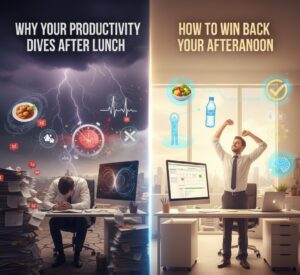 getting things done? Yeah, me too. For years, I chalked it up to a lack of willpower or just being a “morning person.” But the truth is far more nuanced, and once you understand the *why*, you can actually do something about it. Welcome to the afternoon slump, the silent productivity killer.
The Post-Lunch Productivity Crash: What’s Really Going On?
This isn’t just about feeling tired. It’s a complex interplay of biology, habit, and the modern work environment. Here’s what’s really happening:
- Your Circadian Rhythm: Your body naturally wants to wind down in the afternoon. This internal clock dictates your energy levels, and after that midday meal, your body signals a shift.
- The Food Coma: That big lunch? It might be delicious, but it’s also diverting blood flow to your digestive system. Your brain gets less oxygen and glucose, leading to that foggy, sluggish feeling.
- Hormonal Rollercoaster: Your cortisol (stress hormone) levels often peak in the morning, giving you that initial boost. They naturally decline in the afternoon, potentially leaving you feeling less focused.
- The “Just a Break” Trap: You tell yourself you’ll take a quick break to recharge, and boom, you’re 30 minutes deep into social media. A short break often turns into a productivity black hole.
- The Modern Workplace: Open-plan offices, constant notifications, and endless meetings amplify these biological challenges. You’re fighting an uphill battle against distractions and mental overload.
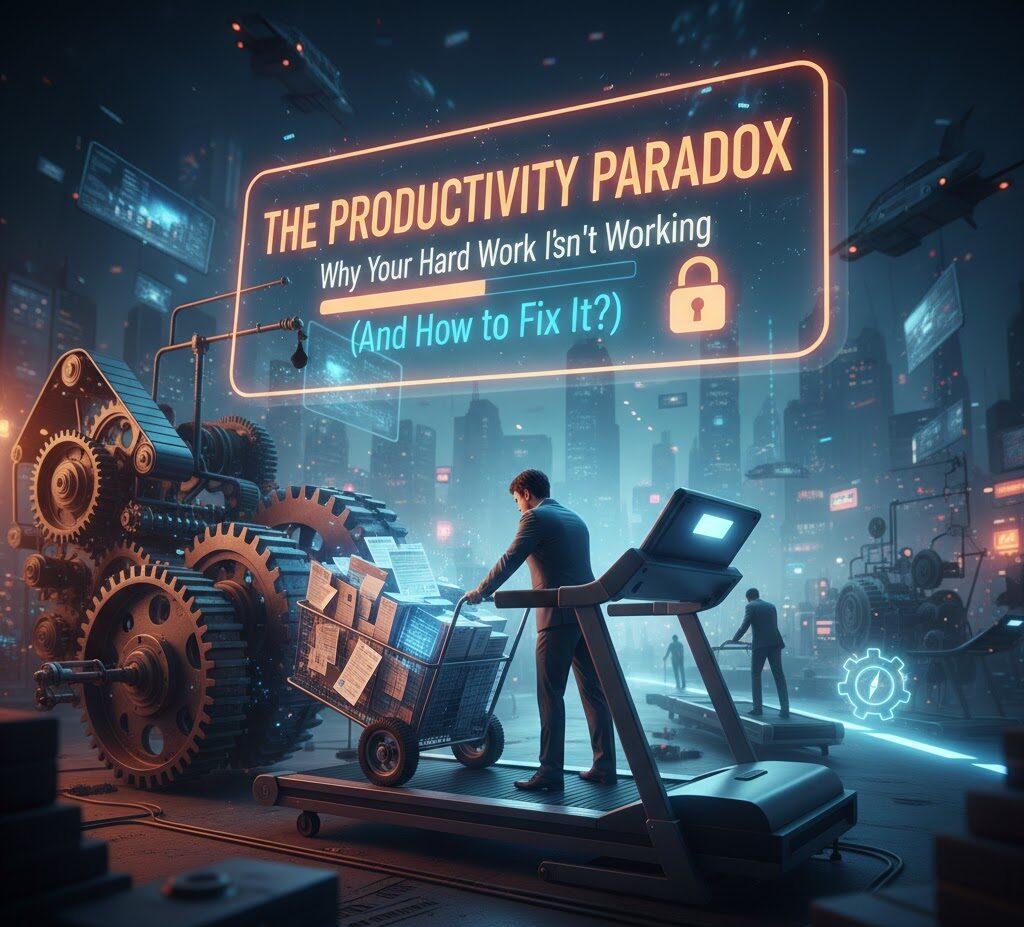
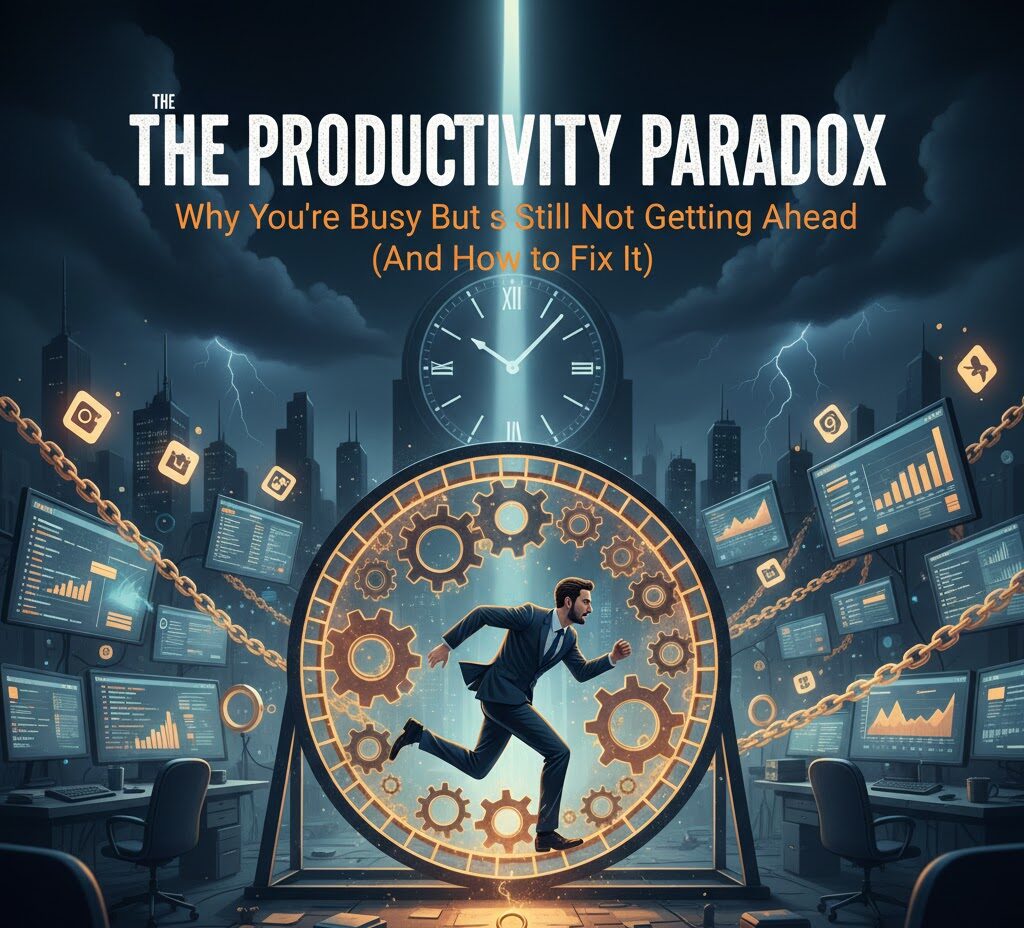
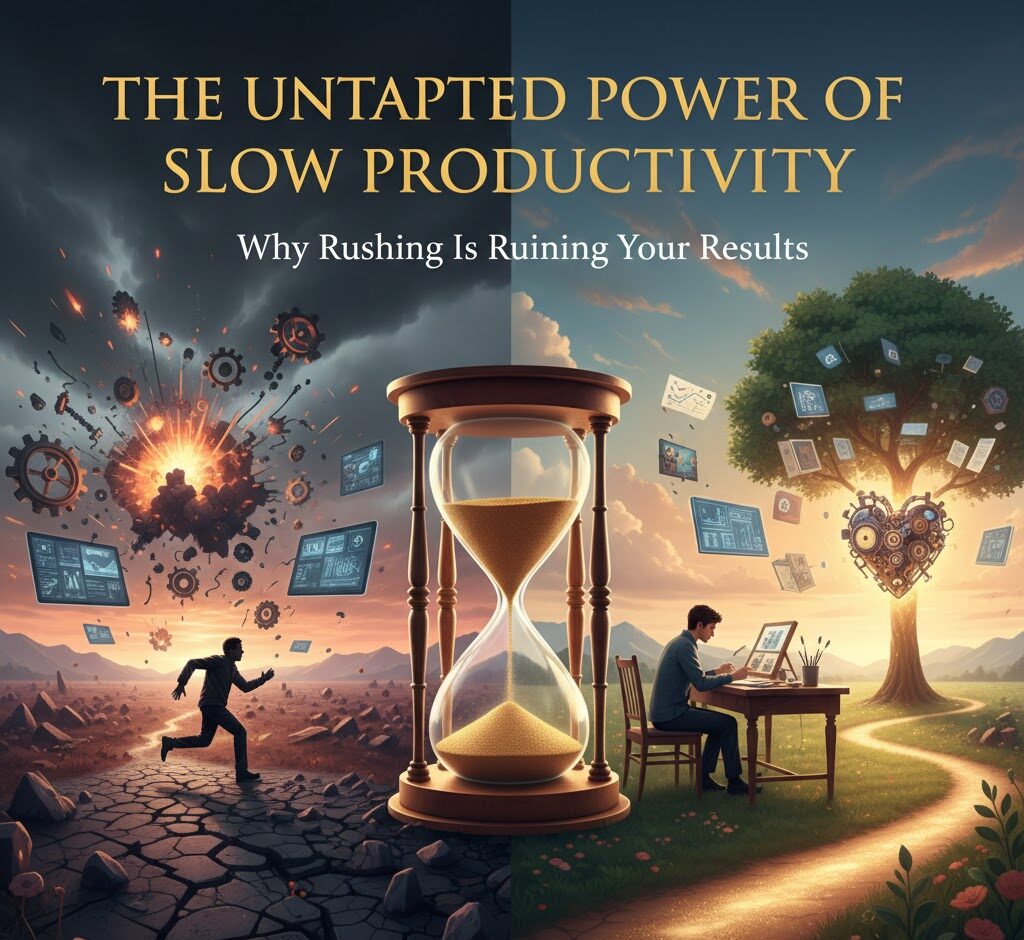
This is where productivity silently collapses. You end up putting in the hours, but the output just isn’t there. You might even start working harder, thinking more hours equals more results. But it’s not true. This “hustle harder” mentality often makes things worse, leading to burnout and diminishing returns.
Stop the Slide: Practical Strategies to Conquer the Afternoon Slump
The good news? You can totally reclaim your afternoons. Here’s a practical, sustainable system, not just a bunch of quick tips:
1. Optimize Your Morning for Maximum Impact
Before you even think about the afternoon, set yourself up for success in the morning. This is your chance to build momentum and get high-value work done when your energy is naturally peaking.
- Eat a Protein-Rich Breakfast: Eggs, Greek yogurt, or a smoothie with protein powder. Avoid sugary cereals and pastries that cause a quick energy spike and inevitable crash.
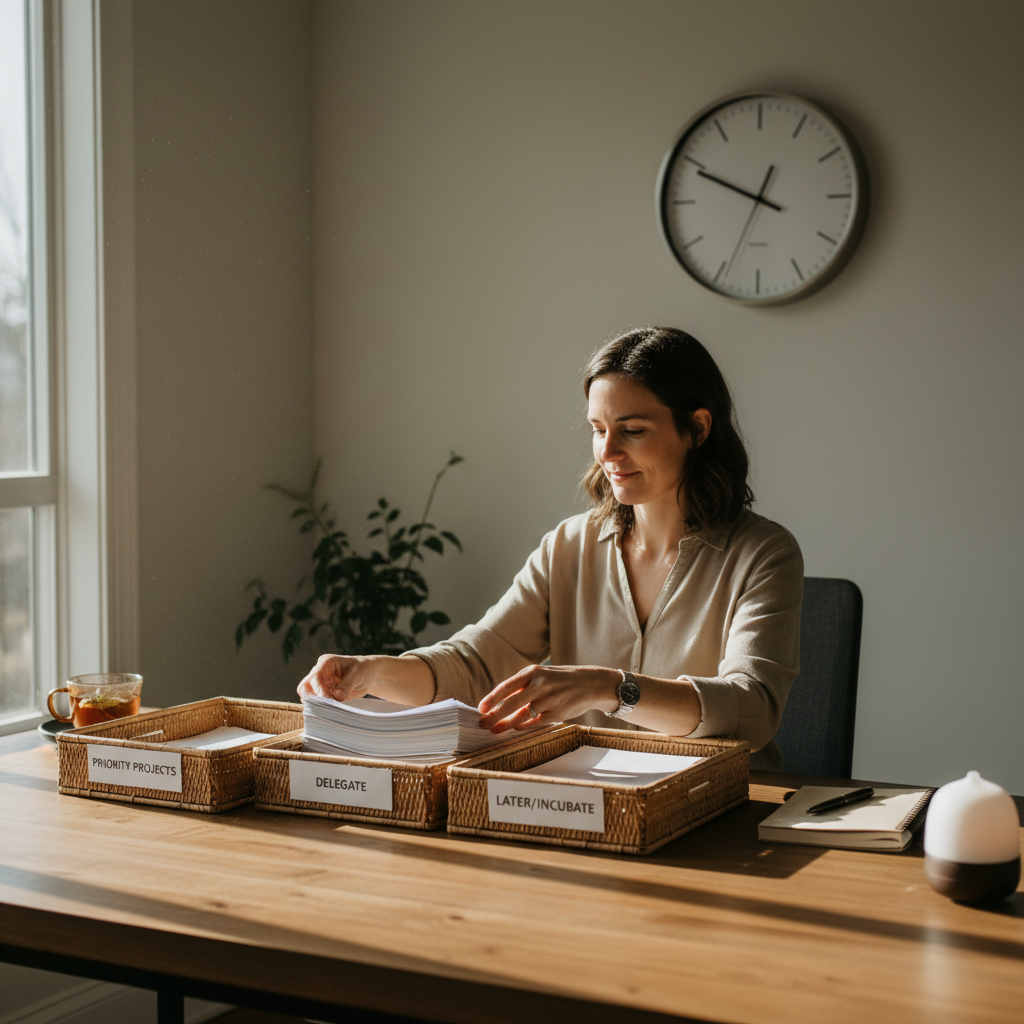
- Plan Your “Big Rocks”: The night before, or first thing in the morning, identify the 1-3 most important tasks (your “big rocks”) that you *must* complete that day. Focus on these first, before your energy dips.
- Protect Your Focus: Turn off notifications, close unnecessary tabs, and let your colleagues know you need focused time. This is your Deep Work block.
2. The Smart Lunch: Fuel Your Afternoon
Your lunch isn’t just about eating; it’s about setting the tone for the rest of your day.
- The Right Food: Think balanced. Protein, healthy fats (avocados, nuts), and complex carbs (whole grains, vegetables). Avoid heavy, carb-loaded meals that trigger a major energy dip.
- Mindful Eating: Eat slowly and savor your food. This helps with digestion and prevents overeating, which can make you feel even more sluggish.
- Step Away from Your Desk: If possible, eat lunch away from your workspace. A change of scenery can do wonders for your mental state.
3. The Strategic Afternoon: Design Your Work
This is where real productivity starts to shine. Don’t fight your body’s natural rhythms; work *with* them.
- Schedule Your Tasks: Don’t just blindly dive back into work. Look at your energy levels and schedule tasks accordingly. Save the most demanding, brain-intensive work for the morning. Save the easier tasks for the afternoon.
- The Power Nap (If Possible): A short 20-30 minute nap can be a game-changer. It refreshes your mind and body without leaving you groggy. If you can’t nap, try a short guided meditation or a few minutes of deep breathing.
- Movement Breaks: Get up and move every hour, even if it’s just for 5 minutes. Walk around, stretch, or do some quick exercises. Physical activity boosts blood flow and helps combat fatigue.
- Batch Similar Tasks: Group similar tasks together. This reduces mental switching costs and keeps you in a more focused state. For example, batch your emails, or your phone calls, instead of doing them sporadically.
4. The Afternoon Wind-Down: Protect Your Evening
How you finish your workday affects your evening, sleep, and overall productivity.
- Clear Your Desk: At the end of the day, tidy up your workspace. A clean workspace promotes a clear mind.
- Review and Plan: Take 10 minutes to review what you accomplished and plan for tomorrow. This prevents that “what do I do first?” feeling the next morning.
- Unplug: Set clear boundaries between work and personal life. Turn off work notifications and avoid checking emails after hours.
Common Productivity Mistakes to Avoid
These are the traps that keep people stuck in the afternoon slump cycle:
- Multitasking: It doesn’t work. It drains your energy and reduces focus.
- Ignoring Your Body’s Signals: Pushing through fatigue only leads to burnout. Learn to listen to your body and adjust your work accordingly.
- Poor Planning: Without a clear plan, you’re more likely to get sidetracked and waste time.
- Endless Social Media Scrolling: Those “quick” breaks quickly turn into hours of wasted time.
- Overworking: Working long hours doesn’t equal more output. It leads to diminishing returns and mental fatigue.
The Long-Term Impact: Why This Matters
Mastering your afternoon productivity isn’t just about getting more done today; it’s about building a sustainable, high-performance lifestyle.
- Increased Output: You’ll get more done, leading to better results at work or in your business.
- Reduced Stress and Burnout: By working *with* your body, you reduce stress and the risk of burnout.
- Improved Mental Health: A balanced, productive day contributes to overall mental well-being.
- Higher Income Potential: More productivity translates into better results, more opportunities, and potentially, a higher income.
- More Free Time: By working smarter, you create more time for your personal life, hobbies, and relationships.
Modern Relevance: The Digital Age & The Future of Productivity
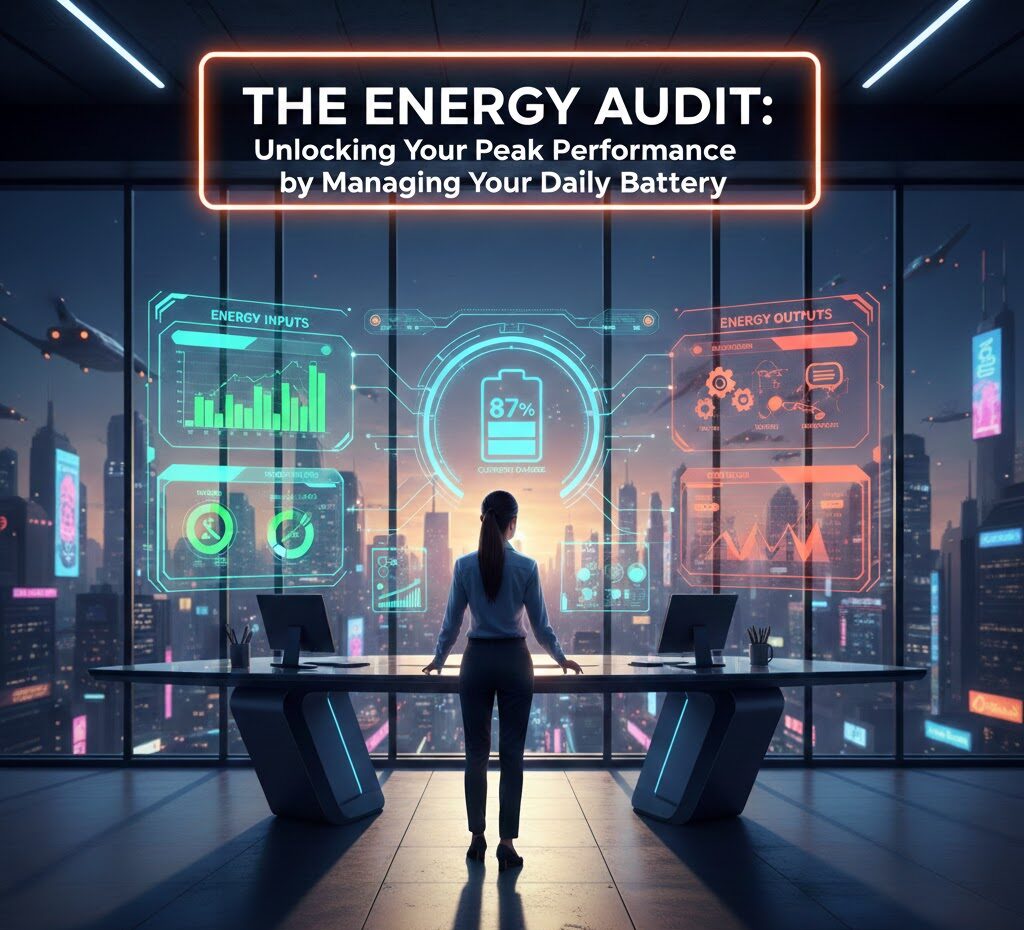
In 2026, the challenges are intensified by the always-on nature of our digital world. The constant flow of information, notifications, and the blurring of work-life boundaries make the afternoon slump more insidious than ever. Here are some adjustments you can make to your schedule to compensate for the digital age.
- The Rise of Digital Detox: Scheduled times to unplug from technology. No social media, no email. Reclaim those mental resources.
- Focus on Deep Work: The ability to concentrate intensely on a single task is increasingly valuable.
- Personalized Productivity Systems: What works for one person might not work for another. Experiment and find a system that aligns with your individual needs and rhythms.
- AI-Powered Productivity Tools: New tools are emerging to help with time management, task prioritization, and focus. But use them as aids, not replacements for good habits.
The Future: Sustainable Productivity Habits
The future of productivity is about balance, not just output. It’s about:
- Prioritizing Well-being: Self-care is no longer a luxury, but a necessity.
- Embracing Flexibility: Recognizing that everyone has different energy levels and working styles.
- Focusing on the Big Picture: Understanding your goals and working in alignment with your values.
- Lifelong Learning: Constantly refining your skills and adapting to new challenges.
The “hustle harder” mentality is out. Smart, sustainable productivity is in. By understanding your body’s natural rhythms, designing your day strategically, and prioritizing your well-being, you can conquer the afternoon slump and unlock your full potential. That’s how you work smarter, not harder.
Want to go deeper into these concepts? Check out The Quiet Power of Analytical Thinking: Why It’s the Unseen Key to Your Career Growth for more tips on maximizing your efficiency and overall career growth. You can also browse Jamgro for more advice on achieving your goals in a balanced, sustainable way.
Frequently Asked Questions (FAQs)
- Why do I get so tired after lunch?It’s a combination of your circadian rhythm, blood flow to digestion, and hormonal shifts. Your body naturally wants to wind down in the afternoon.
- How can I avoid the afternoon slump at work?Optimize your morning, eat a balanced lunch, schedule tasks strategically, and take short movement breaks. Avoid the trap of “quick” social media breaks.
- Is napping at work a good idea?If your workplace allows it, a short 20-30 minute nap can be incredibly refreshing. If not, try a short meditation or deep breathing.
- What’s the best lunch to eat for productivity?Focus on a balanced meal: protein, healthy fats, and complex carbs. Avoid heavy, carb-laden meals that can trigger a crash.
- How important is sleep to productivity?Critical. Lack of sleep is one of the biggest productivity killers. Prioritize getting 7-9 hours of quality sleep each night.
- How do I stop procrastinating in the afternoon?Identify and address the root causes of your procrastination. Break down large tasks into smaller, more manageable steps, and use the techniques outlined in this article.
- What are some sustainable productivity habits?Prioritizing well-being, embracing flexibility, focusing on the big picture, and constant learning.
- Does working long hours actually increase output?Generally, no. Long hours often lead to burnout and diminishing returns. The quality of your work often decreases. Working smarter is better than working longer.