Have you ever felt like you’re standing on the edge of something big, something you truly desire, but a voice inside keeps whispering, “You’re not good enough”? Maybe it’s a career change you dream of, a creative project you’ve been putting off, or even just the courage to speak your mind. That voice? That, my friend, is self-doubt, and it’s one of the most insidious forces holding us back from living the lives we deserve. It’s a silent saboteur, constantly working to keep us in our comfort zones, even when those zones are suffocating us. It’s a real, human struggle, and it’s something I’ve wrestled with for years.
The Making of a Mental Block
So, where does this inner critic come from? How does self-doubt take root and grow into a full-blown mental block? The answer, as with most things in psychology, is complex, but it boils down to a few key ingredients:
* **Past Experiences:** Every time we experience a setback, failure, or criticism, our brains take note. These experiences can create neural pathways that link certain situations or actions with negative emotions like fear and shame. Over time, these pathways become stronger, making us more likely to anticipate those negative feelings in the future.
 Beliefs and Expectations:** Our early childhood experiences, the messages we receive from parents, teachers, and peers, shape our core beliefs about ourselves and the world. If you grew up in an environment where mistakes were punished or achievement was constantly demanded, you’re more likely to develop perfectionistic tendencies and a fear of failure.
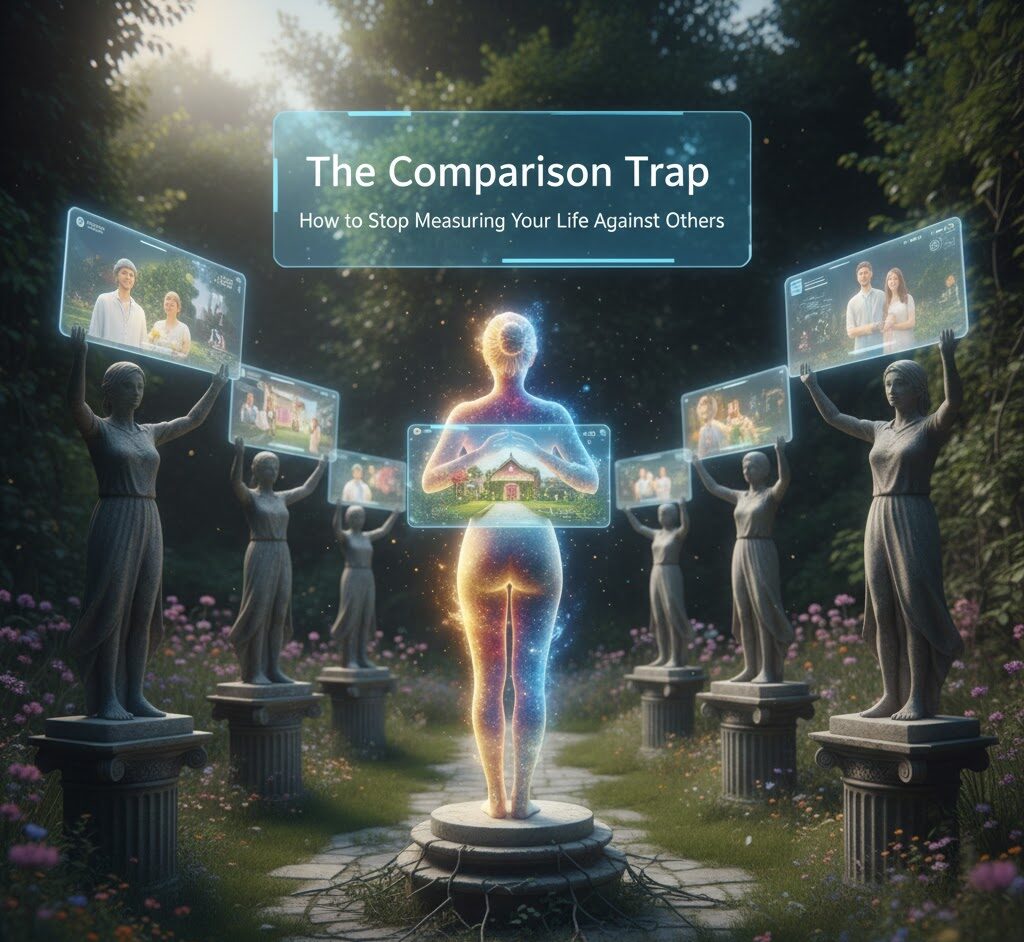
* **Social Comparison:** In today’s hyper-connected world, it’s easy to fall into the trap of comparing ourselves to others. Social media, in particular, can be a breeding ground for self-doubt, as we’re constantly bombarded with curated images of success, beauty, and happiness. This constant comparison can make us feel inadequate and fuel our inner critic.
* **Overthinking:** The human mind is a powerful machine, but it can also be a master of overthinking. When we’re faced with a challenge or decision, our minds can get stuck in loops of worry, analyzing every possible outcome and imagining worst-case scenarios. This mental rumination only serves to amplify our self-doubt and make us feel more anxious and overwhelmed.
Most people don’t notice this thought pattern, but it is very real. If you are honest with yourself, it will make sense to you. These four factors combine to create a powerful internal narrative that tells us we’re not capable, not worthy, or not good enough. This is where the mind quietly sabotages progress, leading to procrastination, avoidance, and a general feeling of being stuck.
The Ripple Effect: How Self-Doubt Impacts Your Life
The impact of self-doubt isn’t limited to just *feeling* bad; it profoundly affects our actions, decisions, and ultimately, our results. Here’s how:
* **Paralysis by Analysis:** Self-doubt can lead to overthinking and indecision. We get so caught up in worrying about making the “wrong” choice that we never make any choice at all.
* **Fear of Failure:** This is perhaps the most obvious consequence. When we doubt our abilities, we become terrified of failing, which can lead us to avoid taking risks, pursuing our goals, or even trying new things altogether.
* **Perfectionism:** Self-doubt and perfectionism often go hand in hand. We set impossibly high standards for ourselves, and when we inevitably fall short, our self-doubt is reinforced.
* **Procrastination:** When we don’t believe we can succeed, we’re more likely to put things off. Procrastination becomes a way to protect ourselves from the potential pain of failure.
* **Self-Sabotage:** In extreme cases, self-doubt can lead to self-sabotage. We might intentionally undermine our own efforts, making it more likely that we’ll fail, thus “proving” our inner critic right.
* **Reduced Self-Esteem:** Constantly listening to that negative inner voice can erode our self-esteem, making us feel less confident, capable, and worthy of success.
This is where the mind can really become a prison. It traps you in a cycle of negative thinking, limiting your potential and preventing you from experiencing the joy and fulfillment that comes from pursuing your dreams.
Busting the Myths: What You *Think* You Know About Mindset
There’s a lot of misinformation out there about mindset, and some common beliefs can actually make self-doubt worse:
* **Myth #1: Positive Thinking Solves Everything:** While a positive attitude can be helpful, it’s not a magic bullet. Simply forcing yourself to “think positive” without addressing the underlying issues of self-doubt can feel inauthentic and ultimately ineffective. The real shift begins when you see the real issues.
* **Myth #2: Confidence is a Pre-requisite:** Many people believe they need to *feel* confident before they can take action. But the truth is, confidence is often a *result* of action, not a cause. You don’t need to be fearless to start; you just need to be willing to take the first step, even when you’re scared.
* **Myth #3: Willpower is Enough:** We often rely on willpower to overcome self-doubt, but it’s a finite resource. When we’re constantly battling our inner critic, willpower can quickly wear down. Sustainable change requires more than just sheer force of will; it requires changing the underlying thought patterns and beliefs.
* **Myth #4: Success Happens Overnight:** The media loves to portray overnight success stories, but the reality is that achieving any meaningful goal takes time, effort, and perseverance. Expecting instant results can set you up for disappointment and fuel your self-doubt when progress isn’t linear.
Practical Shifts: Re-Wiring Your Mindset in Daily Life
The good news is, you’re not stuck. Self-doubt is a learned behavior, and that means you can *unlearn* it. Here are some practical strategies you can start implementing today:
* **Acknowledge and Validate Your Fears:** Don’t try to ignore or suppress your self-doubt. Instead, acknowledge it and validate your feelings. Recognize that it’s normal to feel fear and uncertainty, and that it doesn’t mean you’re incapable.
* **Challenge Negative Thoughts:** When your inner critic pipes up, question its validity. Ask yourself: Is this thought based on facts or assumptions? Is there another way to look at the situation? Would you say this to a friend? Reframing the story can be very powerful.
* **Focus on Your Strengths:** Make a list of your skills, talents, and accomplishments. Remind yourself of what you’re good at and the things you’ve overcome in the past. This will build your confidence and help you combat negative self-talk.
* **Set Realistic Goals:** Break down your goals into smaller, more manageable steps. This makes the overall task less daunting and allows you to celebrate small victories along the way.
* **Practice Self-Compassion:** Treat yourself with the same kindness and understanding you would offer a friend. When you make a mistake or experience a setback, be gentle with yourself and remember that everyone struggles.
* **Embrace Failure as a Learning Opportunity:** Instead of viewing failure as a sign of inadequacy, see it as a chance to learn and grow. Ask yourself: What can I learn from this experience? How can I do better next time?
* **Take Action, Even When You’re Scared:** The best way to overcome self-doubt is to take action. Start small, and gradually push yourself outside of your comfort zone. Each time you take a risk and succeed, you’ll build your confidence and weaken the grip of your inner critic.
* **Seek Support:** Talk to a trusted friend, family member, or therapist about your self-doubt. Sharing your struggles can help you gain perspective and feel less alone. Consider joining a support group or finding a mentor who can offer guidance and encouragement.
* **Practice Mindfulness:** Mindfulness practices, such as meditation and deep breathing, can help you become more aware of your thoughts and feelings without judgment. This can help you detach from your inner critic and create space for more positive self-talk.
Modern Relevance: Navigating Self-Doubt in the 2026 World
In 2026, the world is more interconnected, fast-paced, and uncertain than ever before. The rise of artificial intelligence, the constant stream of information, and the pressure to succeed can all exacerbate self-doubt. It is a critical time to cultivate mental resilience and emotional intelligence. Here’s how to do so:
* **Embrace Adaptability:** The ability to adapt to change is more important than ever. Develop a growth mindset, be open to new experiences, and view challenges as opportunities for learning.
* **Cultivate Digital Well-being:** Be mindful of your technology use and its impact on your mental health. Limit your exposure to social media if it triggers self-doubt, and prioritize real-life connections.
* **Invest in Your Emotional Intelligence:** Develop your self-awareness, self-regulation, empathy, and social skills. These skills will help you navigate difficult situations, build strong relationships, and manage your emotions effectively.
* **Focus on Purpose and Meaning:** In a world that often feels chaotic, having a sense of purpose can be a grounding force. Identify your values and goals, and focus on what truly matters to you.
Future Outlook: Building Resilience for the Road Ahead
The future will likely bring even more rapid change and uncertainty. That is why the skills of emotional intelligence and mental resilience are becoming more and more crucial. Those who can effectively manage their self-doubt, adapt to change, and cultivate a positive mindset will be best equipped to thrive.
By practicing the strategies outlined above, you can build your resilience, strengthen your mental muscles, and break free from the chains of self-doubt. Remember, it’s a journey, not a destination. There will be times when your inner critic rears its head, but with consistent effort and self-compassion, you can learn to quiet its voice and live a life filled with confidence, purpose, and joy.
FAQ: Your Burning Questions About Self-Doubt, Answered
Here are some common questions about self-doubt, along with honest, practical answers:
1. **How do I know if I’m struggling with self-doubt?**
If you frequently question your abilities, worry about making mistakes, and find yourself avoiding challenges, you’re likely dealing with self-doubt. Also, if you are finding your success is being sabotaged, or you are paralyzed in your decision making, you could also be suffering from the issues of self-doubt.
2. **Is self-doubt the same as low self-esteem?**
They’re related, but not the same. Self-doubt is the feeling of not being capable. Low self-esteem is a more general feeling of not being worthy or valuable. Self-doubt can contribute to low self-esteem.
3. **What’s the difference between healthy self-doubt and unhealthy self-doubt?**
Healthy self-doubt can motivate you to prepare and improve. Unhealthy self-doubt is persistent, debilitating, and prevents you from taking action.
4. **How can I stop comparing myself to others?**
Limit your exposure to social media, focus on your own journey, and remember that everyone has their own struggles.
5. **What if I’m afraid of failing?**
Embrace failure as a learning opportunity. Ask yourself: What can I learn from this? How can I do better next time? Remember, what you are experiencing is just a normal, human experience.
6. **Is it possible to eliminate self-doubt completely?**
Probably not. Self-doubt is a natural human emotion. The goal isn’t to eliminate it entirely, but to manage it and prevent it from controlling your life.
7. **Where can I find professional help?**
Talk to your doctor. A therapist or counselor can provide support and guidance to help you manage self-doubt and build your confidence.
8. **Can I change my mindset on my own?**
Yes, absolutely. The strategies outlined in this article, such as challenging negative thoughts, setting realistic goals, and practicing self-compassion, can all be implemented independently. However, consider getting professional help if you’re struggling to make progress on your own.
I hope this article has given you some valuable insights and practical tools to overcome self-doubt and live a more fulfilling life. The journey to a more confident you starts with a single step. So, take that step today. You got this!
If you would like to read more content, please visit Jamgro.
Please also read our article on Decoding the Adaptability Skill: How to Thrive in Today’s Ever-Changing Job Market.