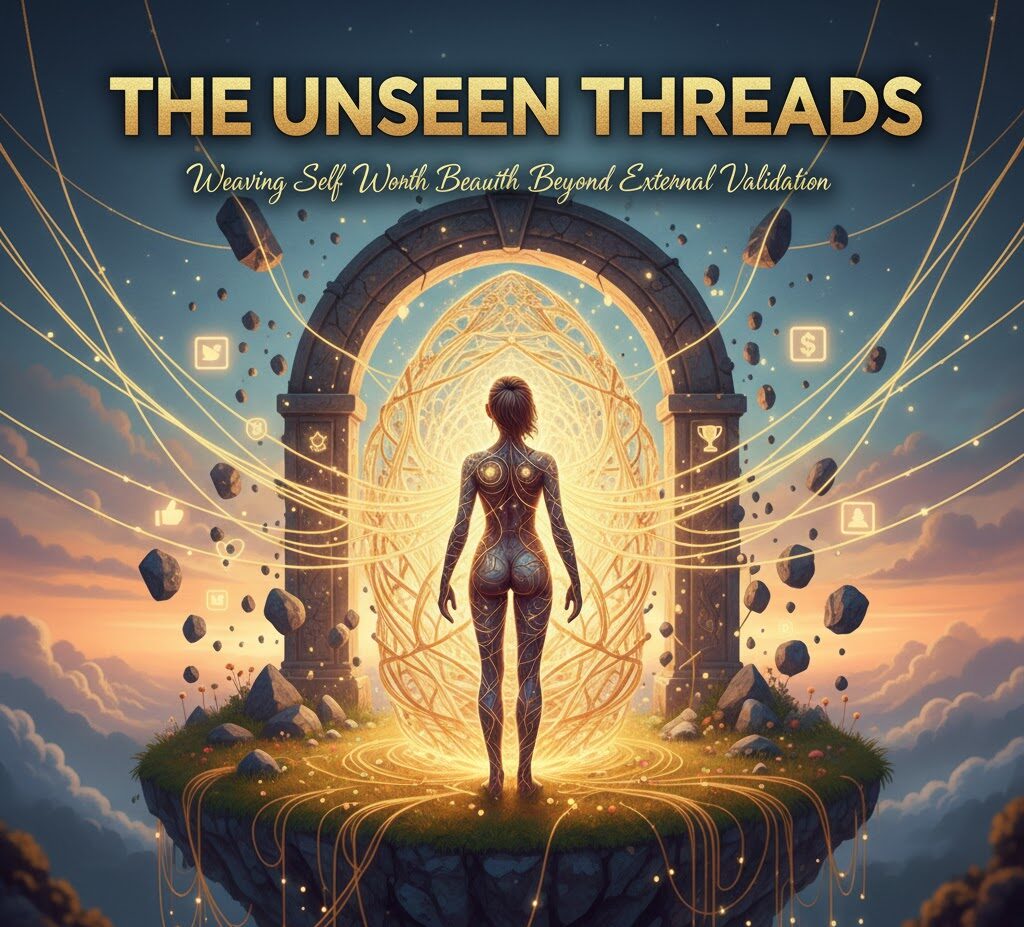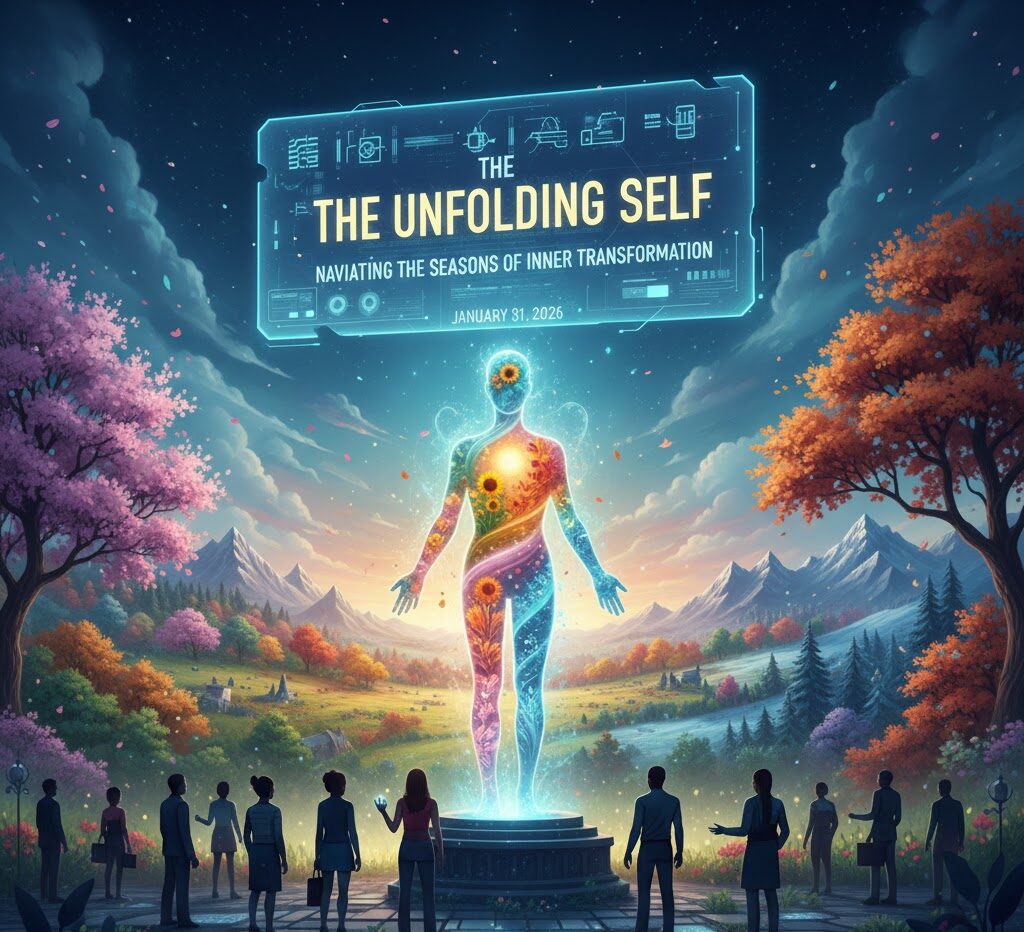
Do you ever feel like you’re walking in place on the self-growth journey? Like you’re *trying*, reading books, maybe even journaling, yet the needle barely seems to budge? You’re not alone. This is the hidden,
 often unspoken, reality of personal evolution. It’s not a race; it’s an unfolding. And sometimes, that unfolding feels agonizingly slow. This article isn’t about quick fixes or overnight transformations. It’s about accepting the tempo of real, lasting growth and understanding why it often feels… well, slow.
The Illusion of Instant Change and the Seeds of Reality
We live in a world obsessed with instant gratification. We want the overnight body transformation, the million-dollar business in a year, and the perfect life *now*. So, when it comes to self-growth, we often fall into the trap of expecting immediate results. We read a book on self-esteem, and *poof*, we should feel confident. We start meditating, and suddenly, we should be zen masters. But human nature, and true change, doesn’t work that way.
This is where growth usually feels invisible, like the slow, steady creep of a tree’s roots beneath the soil. You might take a course and then wonder, “Why don’t I *feel* different?” The reality is, the seeds of change are being sown, but the visible bloom takes time. The real work is happening beneath the surface, in the quiet shifts of your mindset, in the small, consistent actions you take, and in the gradual rewiring of your brain.
Why Self-Growth *Feels* Slow
Several factors contribute to the feeling that self-growth is slow:
* **Habitual Resistance:** Your brain loves patterns. Changing deeply ingrained habits, beliefs, and behaviors takes conscious effort and repeated practice. It’s like trying to reroute a river – it resists at every turn.
* **Unrealistic Expectations:** Believing you can “fix” yourself overnight sets you up for disappointment. Personal growth is a journey, not a destination. Celebrate the small wins, because that is what will sustain you.
* **Emotional Baggage:** We all carry emotional baggage from the past. Processing trauma, unresolved issues, and limiting beliefs takes time and vulnerability. It’s not a sprint; it’s a marathon of self-compassion and understanding.
* **The Unseen Work:** Much of the inner work is *internal*. It’s not always visible to the outside world, making it feel like you’re not making progress, even when you are.
* **Comparison:** Comparing your journey to others is a joy thief. Everyone’s path is unique, with different starting points and paces. Focus on *your* growth.
The slow pace is not a flaw; it’s the *nature* of the process. It’s in the quiet moments of reflection, the small, consistent actions, and the gentle shifts in perspective that real growth takes root.
The Anatomy of Real Growth: Internal Shifts and Habits
So, what does real self-growth actually *look* like? It’s not always grand gestures or dramatic breakthroughs. Often, it’s a series of internal shifts and the cultivation of supportive habits.
* **Self-Awareness:** The cornerstone of all growth. This involves understanding your strengths, weaknesses, values, and motivations. It’s about knowing your triggers, recognizing your patterns, and understanding what makes you tick. Consider starting a strategic thinking journal to help you.
* **Emotional Intelligence:** The ability to understand and manage your emotions, as well as the emotions of others. This is about developing empathy, communication skills, and the capacity to navigate difficult conversations with grace.
* **Growth Mindset:** Embracing the belief that your abilities can be developed through dedication and hard work. It’s about viewing challenges as opportunities for learning and growth, rather than as threats to your self-worth.
* **Resilience:** The ability to bounce back from setbacks and adversity. This involves developing coping mechanisms, building a support system, and cultivating a sense of optimism.
* **Self-Compassion:** Treating yourself with kindness, understanding, and acceptance, especially during difficult times. This is about recognizing your own imperfections and forgiving yourself for mistakes.
* **Intentionality:** Making conscious choices that align with your values and goals. This is about living a life with purpose and meaning, rather than drifting through each day on autopilot.
These shifts are not overnight achievements. They are a gradual process, built one day at a time, one small step at a time.
Common Mistakes That Slow Down Self-Growth
Several common mistakes can hinder your progress on the path of self-growth:
* **Trying to Change Everything at Once:** Overwhelm is the enemy of progress. Focus on one or two areas at a time, and build from there.
* **Ignoring Progress:** It’s easy to discount your achievements and focus on what’s *not* working. Acknowledge and celebrate your wins, no matter how small.
* **Comparing Yourself to Others:** Comparison is the thief of joy and progress. Your journey is unique.
* **Waiting for Motivation:** Motivation is fleeting. Build habits, even when you don’t *feel* like it.
* **Seeking Perfection:** Striving for perfection leads to self-criticism and burnout. Embrace imperfection.
* **Neglecting Self-Care:** Prioritize your physical, mental, and emotional well-being. Self-care is not selfish; it’s essential for sustained growth.
* **Taking Passive Action:** Taking a course is not enough; one must apply what they learn to their own life.
By avoiding these pitfalls, you can create a more sustainable and rewarding self-growth journey.
The Long-Term Impact: Peace, Confidence, and Better Decisions
The slow, often invisible work of self-growth has profound, long-term impacts:
* **Inner Peace:** As you become more self-aware and compassionate, you develop a greater sense of peace and acceptance. You are less reactive to external circumstances and more grounded in your own inner resilience.
* **Increased Confidence:** Understanding your strengths, values, and limitations builds a deep sense of self-trust and confidence. You become less concerned with the opinions of others and more aligned with your own authenticity.
* **Improved Decision-Making:** Self-growth fosters the ability to make more informed and aligned decisions. You become more attuned to your intuition and less likely to make impulsive or reactive choices.
* **Stronger Relationships:** As you develop emotional intelligence and empathy, you build deeper and more meaningful connections with others.
* **Greater Resilience:** You become more adept at navigating challenges and setbacks, emerging from difficult experiences stronger and more resilient.
These are not fleeting benefits; they are the bedrock of a more fulfilling and meaningful life.
Modern Relevance: Navigating Today’s World
In the modern world of 2026, the need for self-growth is more crucial than ever:
* **Emotional Overload:** The constant barrage of information, social media, and societal pressures can lead to overwhelm and anxiety. Self-growth provides tools for managing your emotional well-being.
* **Rapid Change:** Adaptability is key in a world of constant change. Self-growth cultivates the resilience and flexibility needed to thrive in a dynamic environment.
* **Social Connection:** While technology connects us, it can also lead to isolation. Self-growth emphasizes the importance of building authentic relationships and fostering empathy.
* **Finding Meaning:** Many people are searching for purpose and meaning in their lives. Self-growth encourages you to connect with your values and live a more intentional life.
The skills and insights gained through self-growth are not just “nice to haves”; they are essential for navigating the complexities of the modern world.
The Future of Self-Growth: Maturity, Awareness, and Adaptability
Looking ahead, the future of self-growth will likely focus on these key areas:
* **Deepening Self-Awareness:** Expanding our understanding of our inner selves and the impact we have on the world.
* **Embracing Complexity:** Recognizing that life is not always black and white and that embracing complexity is essential for growth.
* **Cultivating Adaptability:** Developing the skills and mindset needed to thrive in a constantly changing world.
* **Prioritizing Well-being:** Understanding that self-growth includes physical and mental well-being.
* **Integrating Technology:** Using technology as a tool for self-discovery and growth (e.g., mindfulness apps, online communities).
The journey of self-growth is not about “arriving” at a destination. It’s a lifelong process of unfolding, evolving, and becoming the best version of yourself.
Frequently Asked Questions (FAQs)
Here are some common questions people have about self-growth, with experience-backed answers:
* **Why does self-growth feel so slow?** Real self-growth involves changing deeply ingrained habits, beliefs, and behaviors. This is a gradual process, not an overnight transformation. Embrace the slow pace, and focus on consistent effort.
* **How do I stay motivated when I don’t see results?** Remember that real change often happens beneath the surface. Focus on the process, celebrate small wins, and trust that your efforts are making a difference.
* **What are the most important things to focus on for self-growth?** Self-awareness, emotional intelligence, a growth mindset, resilience, self-compassion, and intentionality.
* **How do I overcome the fear of failure?** Reframe failure as a learning opportunity. Embrace a growth mindset, and practice self-compassion. Remember that you are always learning and evolving.
* **How do I deal with emotional baggage from the past?** Be patient and kind to yourself. Consider seeking professional support, and practice self-compassion. The Jamgro website offers many resources for help.
* **How do I know if I’m making progress?** Track your progress, even if it is just a little. Reflect on your experiences, and notice the subtle shifts in your mindset and behavior. Celebrate your successes, no matter how small.
* **Is self-growth selfish?** No, self-growth is not selfish. By investing in your well-being, you become a better partner, friend, family member, and member of society. You bring a more authentic and present self to every aspect of your life.
* **How do I start a self-growth journey?** Start with self-awareness. Begin journaling, practice mindfulness, and reflect on your thoughts, feelings, and behaviors. Identify areas where you want to grow, and take small, consistent steps in the right direction.
Conclusion: Embrace the Unfolding
The self-growth journey is not always easy, and the slow pace can be frustrating. But it’s in the quiet moments of reflection, the consistent effort, and the gentle shifts in perspective that real, lasting growth takes root. Embrace the unfolding. Be patient with yourself. Trust the process. The results – peace, confidence, and a more fulfilling life – are well worth the journey.