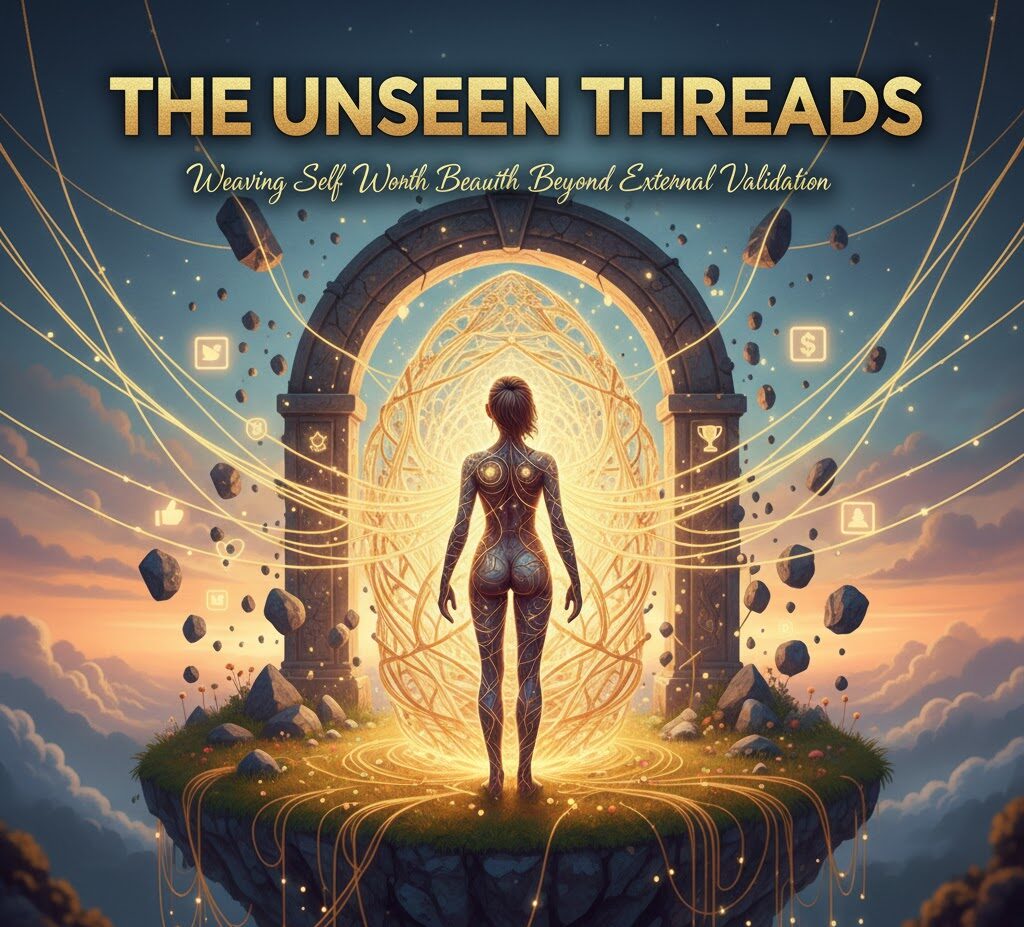
It starts subtly, doesn’t it? That nagging feeling that you’re not quite *there* yet. The sense of being stuck in a loop, repeating the same patterns, and feeling the weight of the same old anxieties. Or perhaps it’s the opposite: a restless energy, a pull towards *something more*, a whisper of change that you can’t quite articulate. Either way, you’re on the path. You’re evolving. And the journey of self-growth, while beautiful in its potential, often feels…slow. And sometimes, downright uncomfortable.
Why Growth Feels Slow and Uncomfortable
Let’s be honest, the self-growth journey isn’t all sunshine and rainbows. It’s not a highlight reel. It’s a process of shedding old skins, facing uncomfortable truths, and rewiring deeply ingrained habits. This is where growth usually feels invisible, like the slow, unseen work of roots deepening in the earth.
 The discomfort comes from the very nature of change. It’s the friction of shifting from the familiar to the unknown. Most people avoid this uncomfortable step, clinging to the status quo, even if it’s causing them pain. This is perfectly normal. It’s human nature to resist what feels challenging. The brain, after all, is wired for efficiency and survival, not necessarily for constant evolution.
But real growth begins when you lean into that discomfort. It’s about being honest with yourself. Really, really honest. Not just saying the right things, but *feeling* them. It’s about facing the parts of you that you’d rather keep hidden. It is a process of learning to navigate difficult emotions, confronting self-doubt, and developing resilience. This is where the real work happens.
Realistic Internal Shifts and Habits
So, how do you navigate this often-turbulent terrain? The secret lies not in grand gestures or overnight transformations, but in small, consistent shifts. It’s about cultivating habits that nurture your inner landscape.
Here are some realistic internal shifts and habits that can make a big difference:
* **Self-Awareness:** This is the bedrock of all growth. It’s the ability to understand your own thoughts, feelings, and behaviors. It’s about asking yourself *why* you feel a certain way. Practicing mindfulness and journaling are excellent tools for cultivating self-awareness.
* **Emotional Regulation:** Learning to manage your emotions, rather than being ruled by them. This doesn’t mean suppressing your feelings. It means acknowledging them, understanding their source, and responding in a way that aligns with your values.
* **Self-Compassion:** Treating yourself with the same kindness and understanding you would offer a friend. This means letting go of perfectionism and embracing your imperfections.
* **Resilience Building:** Developing the ability to bounce back from setbacks. This involves cultivating a positive outlook, learning from challenges, and building a strong support system.
* **Mindset Shift:** Moving from a fixed mindset (believing your abilities are static) to a growth mindset (believing your abilities can be developed through dedication and hard work).
* **Setting Boundaries:** Protecting your time, energy, and emotional well-being by setting clear boundaries with others.
* **Taking Action:** This is where the rubber meets the road. It’s about making conscious choices that align with your values and taking steps, no matter how small, towards your goals.
Common Mistakes in Self-Growth
The path to self-growth is paved with good intentions, but it’s also riddled with pitfalls. Here are some common mistakes to avoid:
* **Chasing Perfection:** The relentless pursuit of an unattainable ideal is a surefire way to sabotage your progress. Embrace imperfection. It’s part of the human experience.
* **Waiting for Motivation:** Motivation is fleeting. Relying on it is like building a house on sand. Build habits, systems, and routines that support your growth, regardless of how you feel in a given moment.
* **Ignoring Your Inner Critic:** That voice that whispers doubts and fears? It needs to be acknowledged and challenged, not silenced.
* **Comparing Yourself to Others:** Social media, in particular, can be a breeding ground for comparison. Remember, everyone is on their own unique journey. Focus on your own progress, not someone else’s highlight reel.
* **Trying to Change Everything at Once:** Overwhelm is the enemy of progress. Focus on one or two key areas and build from there.
* **Seeking External Validation:** True growth comes from within. Seeking constant approval from others can leave you feeling empty and unfulfilled.
Busting Popular Myths
There are plenty of myths surrounding self-growth. Here are a few to debunk:
Myth:** Change happens overnight.
Reality:** Real change is a gradual process that unfolds over time.
Myth:** You need to be “fixed”.
Reality:** You are not broken. You are evolving.
Myth:** You can do it all alone.
Reality:** Support and community are crucial. Don’t be afraid to ask for help.
Myth:** Self-growth is selfish.
Reality:** Taking care of yourself is not selfish; it’s essential for your well-being and your ability to contribute to the world.
Myth:** You have to be positive all the time.
Reality:** It’s okay to feel negative emotions. They are a natural part of the human experience. It is important to know how to navigate them.
Long-Term Impact: Peace, Confidence, and Decision-Making
The rewards of self-growth extend far beyond a fleeting feeling of accomplishment. The long-term impact is profound:
Increased Peace:** As you become more self-aware and emotionally regulated, you experience less internal conflict. This leads to a greater sense of peace and contentment.
Unshakeable Confidence:** As you overcome challenges and build resilience, your confidence grows organically. You learn to trust yourself and your ability to navigate life’s ups and downs.
Clearer Decision-Making:** When you’re grounded in your values and aware of your own patterns, decision-making becomes easier. You’re less likely to be swayed by external pressures and more likely to make choices that align with your truest self.
Stronger Relationships:** Self-growth impacts your relationships. You are able to set healthy boundaries and communicate with clarity.
Greater Adaptability:** You learn to embrace change and navigate the inevitable uncertainties of life with grace and resilience.
Modern Relevance (2025–2026)
In today’s fast-paced, often overwhelming world, the need for self-growth is more crucial than ever. The constant bombardment of information, the pressure to achieve, the rise of social media—all contribute to a climate of anxiety, comparison, and isolation. It’s easy to feel lost, overwhelmed, and disconnected.
That’s why cultivating your inner compass is so important. It provides a grounding force, a sense of direction, and a source of strength in the face of external pressures. In 2026, the ability to navigate difficult emotions, build resilience, and maintain a growth mindset is not just a personal benefit; it’s a necessity for thriving. Emotional intelligence (EI) is especially vital in navigating the complexities of modern social dynamics.
Future Outlook: Maturity, Awareness, and Adaptability
The path of self-growth is not a destination. It’s a continuous unfolding, a lifelong journey of becoming. As we move forward, the focus will continue to shift toward:
Deeper Maturity:** Moving beyond surface-level goals and embracing the complexities of the human experience.
Expanded Awareness:** Cultivating a greater understanding of yourself, your impact on the world, and your interconnectedness with others.
Enhanced Adaptability:** Developing the skills and mindset needed to navigate the ever-changing landscape of life with grace, resilience, and a sense of purpose.
It’s a journey that requires courage, curiosity, and a willingness to embrace the unknown. But the rewards—a life filled with peace, purpose, and genuine connection—are immeasurable. To learn more about effective communication, check out “The Unspoken Language of Influence: How to Actually Get Things Done at Work“. And if you want to find more articles, visit Jamgro.
FAQ
Here are some frequently asked questions about self-growth:
How do I know if I’m on the right track?**
It’s less about the destination and more about the direction. Are you moving towards your values? Are you learning from your experiences? Are you treating yourself with kindness? If the answer is yes, you’re on the right track.
What if I feel like I’m not making progress?**
Growth isn’t linear. There will be setbacks, plateaus, and times when you feel like you’re going backward. This is normal. Be patient with yourself, keep showing up, and focus on the small steps.
How do I deal with negative self-talk?**
Acknowledge the negative thoughts, but don’t give them power. Challenge their validity. Ask yourself: Is this true? Is this helpful? Replace negative thoughts with more compassionate and realistic ones.
Is it ever too late to start?**
Absolutely not. The journey of self-growth is available to anyone, at any age.
How do I find a good therapist or coach?**
Seek recommendations from friends, family, or trusted professionals. Look for someone who has experience, expertise, and a style that resonates with you. Don’t be afraid to try different options until you find a good fit.
How do I stay motivated?**
Focus on your *why*. Connect with your values. Set realistic goals. Build habits and routines that support your growth, and celebrate your progress.
What if I’m afraid of change?**
Fear of change is common. Acknowledge your fear, but don’t let it paralyze you. Start small. Take one step at a time. Remind yourself of the potential rewards.
How can I develop more self-awareness?**
Practice mindfulness, journal, seek feedback, and reflect on your experiences.