I remember the days when I felt like I was stuck on a never-ending hamster wheel. Wake up, work, eat, sleep, and repeat. Each day blended into the next, a blur of routines and obligations. There was a nagging feeling, a quiet whisper in the back of my mind that something was missing. It was a sense of yearning, a deep-seated desire for something more, a life lived on my own terms. But how do you even begin to change the course when you’re so accustomed to the familiar rhythm?
 This is where the quiet rebellion begins – the rebellion against the autopilot life, the one where you simply react to external circumstances without truly choosing your path. It’s a journey into the heart of your own mind, a process of awakening to the power you hold to shape your reality. The good news is, you’re not alone. So many of us are trapped in this cycle, living lives that don’t quite feel like our own.
The Illusion of Control: Why We End Up on Autopilot
Our brains are wired for efficiency. They crave predictability and familiarity. This is the very essence of how habits are formed. The more we repeat a behavior, the stronger the neural pathways become, making it easier to slip into autopilot mode. Think of it like a well-worn path in the forest – it becomes effortless to follow, even when it no longer serves us.
This “autopilot” system served our ancestors well. It allowed them to conserve energy and react quickly to threats. But in today’s world, where threats are less about survival and more about the complexities of modern life, this system can backfire. It can lead to feeling stuck, unfulfilled, and disconnected from our true selves. Most people don’t notice this thought pattern. They just feel a growing sense of dissatisfaction.
Several factors contribute to this:
- The Illusion of Busyness: Constantly filling our schedules, chasing the next task, and always being “on” creates a sense of accomplishment, even if we’re not moving toward meaningful goals.
- Fear of the Unknown: Stepping off the familiar path can be daunting. The fear of failure, judgment, or the unknown can keep us paralyzed in place.
- Societal Pressure: We’re bombarded with external expectations – what we “should” be doing, what success “looks” like, and how we should measure our worth.
- Emotional Numbness: Avoiding difficult emotions can lead us to numb out. We shut down our ability to feel fully alive and present.
The core issue is a lack of awareness. We become so accustomed to our patterns that we don’t even realize we’re on autopilot. We’re driven by external forces rather than internal values.
Mindset Patterns: The Architect of Your Reality
Your mindset is the foundation upon which your life is built. It’s the collection of thoughts, beliefs, and attitudes that shape how you perceive the world and, consequently, how you act within it. It’s not a fixed entity, but a dynamic, ever-evolving construct. A major shift begins when you see the influence of these patterns.
The formation of mindset patterns begins in childhood. Our experiences, the messages we receive from our parents, teachers, and peers, and the culture we’re immersed in all contribute to how we see ourselves and the world. These early experiences create the core beliefs that drive our decisions and actions. For example:
- The Perfectionist: If you grew up in an environment where mistakes were harshly criticized, you might develop a perfectionistic mindset. This can lead to procrastination, fear of failure, and a constant need for external validation.
- The People-Pleaser: If you learned that your worth was tied to approval from others, you might develop a people-pleasing mindset. This can lead to neglecting your own needs, setting unhealthy boundaries, and feeling resentful.
- The Pessimist: If you experienced trauma or adversity, you might develop a pessimistic mindset. This can lead to a negative outlook, difficulty seeing opportunities, and a tendency to give up easily.
As adults, these early-formed patterns continue to shape our lives. They influence our choices, our relationships, our careers, and our overall well-being. But the good news is, these patterns aren’t fixed. Just as they were learned, they can also be unlearned and rewired.
How Mindset Affects Actions, Decisions, and Results
Your mindset acts as a filter through which you experience life. It dictates what you notice, how you interpret information, and how you respond to challenges. For instance:
- Confidence vs. Self-Doubt: A confident mindset leads you to see challenges as opportunities, take calculated risks, and persist in the face of setbacks. Self-doubt, on the other hand, can paralyze you with fear, leading you to avoid challenges and give up easily.
- Growth vs. Fixed: A growth mindset believes in the power of learning and development. It embraces challenges, views failure as a learning opportunity, and strives for continuous improvement. A fixed mindset, however, believes that abilities are innate and that failure is a sign of lacking intelligence.
- Optimism vs. Pessimism: An optimistic mindset helps you see the positive side of situations, focus on solutions, and maintain hope. A pessimistic mindset leads you to dwell on problems, anticipate negative outcomes, and give up easily.
It’s important to recognize that the impact of your mindset goes far beyond your individual actions. It also influences your decision-making process. For example, if you have a scarcity mindset (believing that there’s not enough to go around), you might make decisions based on fear of missing out, leading to impulsive purchases or missed opportunities. On the other hand, an abundance mindset (believing that there are endless possibilities) allows you to make decisions based on your values and long-term goals.
The results you achieve in life are a direct reflection of your mindset. If you have a limiting mindset, you’re likely to achieve limited results. If you cultivate an empowering mindset, you’ll be able to achieve much more.
Thinking Traps: The Hidden Saboteurs
We all have thinking traps – those sneaky, unconscious patterns that hold us back. They’re like mental quicksand, pulling us down and preventing us from moving forward. Here are some of the most common ones:
- Perfectionism: The belief that everything must be perfect leads to procrastination, self-criticism, and a fear of failure. It’s a trap because it prevents us from taking action and learning from our mistakes.
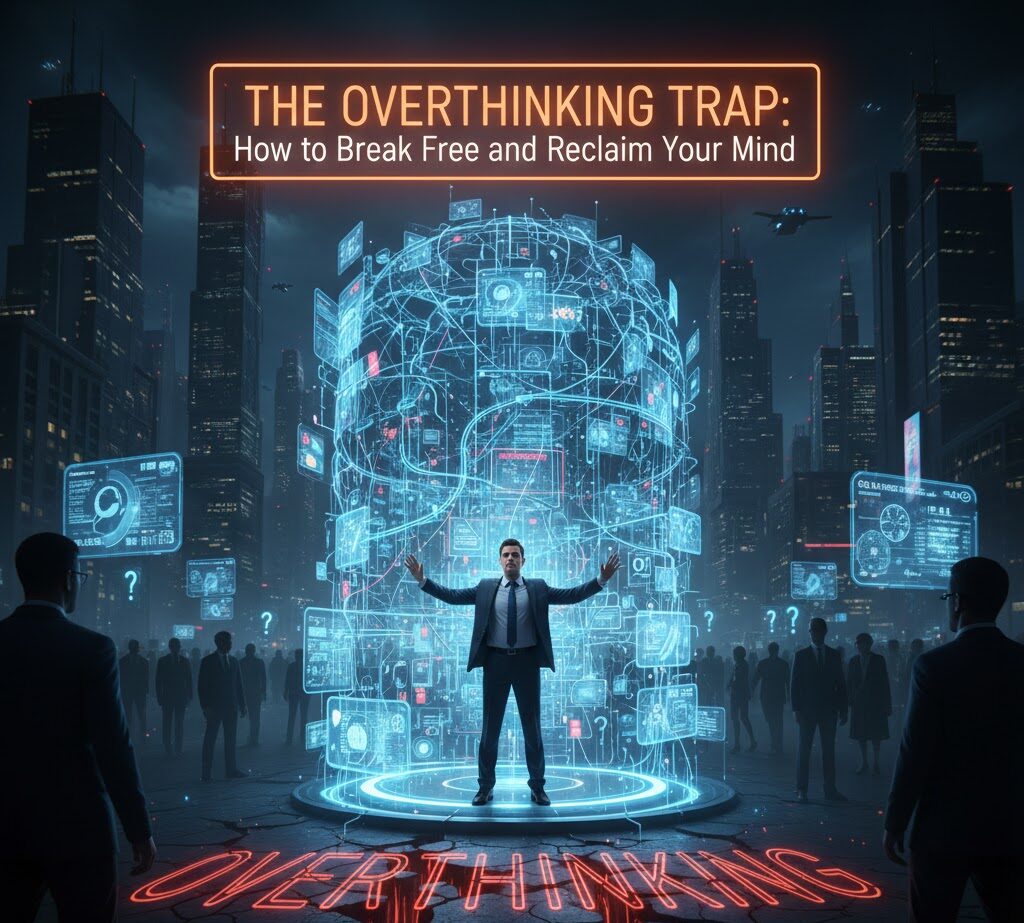
- Overthinking: Spending too much time analyzing, worrying, and second-guessing decisions. It’s a trap because it leads to mental exhaustion, paralysis, and missed opportunities.
- Catastrophizing: Imagining the worst possible outcome in any situation. It’s a trap because it creates unnecessary anxiety and prevents us from focusing on solutions.
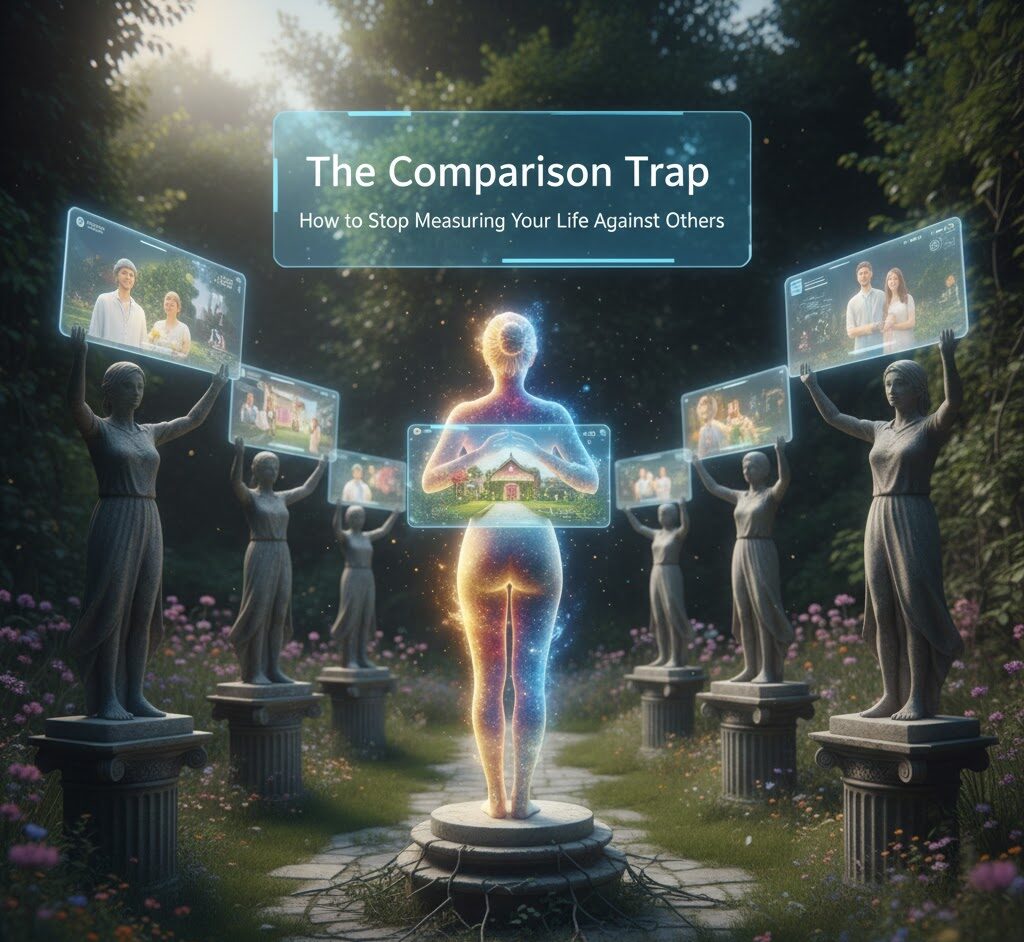
- Comparison: Constantly comparing yourself to others leads to feelings of inadequacy, envy, and a diminished sense of self-worth. It’s a trap because it distracts you from your own journey and unique strengths.
- Negative Self-Talk: The inner critic that constantly berates you, doubts your abilities, and undermines your confidence. It’s a trap because it can erode your self-esteem and prevent you from taking risks.
The first step toward escaping these traps is awareness. The real shift begins when you see these patterns at play within your own mind. It’s about developing the ability to catch yourself in the act of overthinking, catastrophizing, or engaging in negative self-talk. Once you become aware of these traps, you can begin to challenge them and replace them with more empowering thoughts.
Mindset Myths Debunked
The world of mindset is often filled with myths and misconceptions. These can be more harmful than helpful, leading to unrealistic expectations and disappointment. Let’s debunk some of the most common ones:
- Myth: Motivation is the key.Reality: Motivation is fleeting. Relying solely on motivation is like trying to build a house on sand. Discipline, consistency, and a strong sense of purpose are far more important.
- Myth: Confidence comes overnight.Reality: Confidence is built through small actions and consistent effort. It’s a skill that develops over time, not an overnight transformation.
- Myth: Willpower is enough.Reality: Willpower is a limited resource. Relying solely on willpower leads to burnout. Creating habits, establishing routines, and building a supportive environment are more effective.
- Myth: Positive thinking is all you need.Reality: Positive thinking can be helpful, but it’s not a cure-all. It’s important to acknowledge and process negative emotions, rather than suppressing them. The goal isn’t to erase challenges. It is to find your way through them.
Shifting your mindset isn’t about following some magic formula. It’s about understanding the underlying principles and finding what works best for you. It’s about real, honest work.
Practical Ways to Shift Your Thinking in Daily Life
Shifting your mindset isn’t a passive process. It requires conscious effort and consistent practice. Here are some practical strategies you can incorporate into your daily life:
- Practice Self-Awareness: This is the foundation of any mindset shift. Start paying attention to your thoughts, feelings, and behaviors. Journaling, meditation, and mindfulness exercises can all help you develop self-awareness.
- Challenge Your Negative Thoughts: When you catch yourself engaging in negative self-talk or thinking traps, challenge those thoughts. Ask yourself if they are truly accurate or based on facts.
- Cultivate Gratitude: Regularly express gratitude for the good things in your life. This can help you shift your focus from what’s lacking to what’s abundant.
- Embrace Failure as a Learning Opportunity: View setbacks and mistakes as opportunities for growth and learning. Ask yourself what you can learn from the experience and how you can do better next time.
- Set Realistic Goals: Break down large goals into smaller, more manageable steps. This will make the process feel less overwhelming and increase your chances of success.
- Practice Self-Compassion: Treat yourself with the same kindness and understanding you would offer a friend. Recognize that everyone makes mistakes and that it’s okay to not be perfect.
- Surround Yourself with Positivity: Spend time with people who support and encourage you. Limit your exposure to negativity and drama.
- Take Action, Even When You Don’t Feel Like It: The best way to build confidence and momentum is to take action, even when you’re not in the mood. Small steps can lead to big results.
Remember that shifting your mindset is a journey, not a destination. There will be ups and downs, good days and bad. The key is to be patient with yourself, persistent in your efforts, and always keep learning and growing. Maybe you’ll find that one of these methods works better for you than others. That’s perfectly okay. Each person is different.
Modern Relevance: Navigating the 2026 Landscape
The mental and social environment in 2026 presents unique challenges. Here’s how to navigate these challenges and build mental resilience:
- The Digital Overload: Constant connectivity and information overload can lead to stress, anxiety, and a feeling of being overwhelmed.Solution: Set boundaries around technology use. Schedule regular breaks from screens. Practice digital detox.
- The Rise of AI: As artificial intelligence becomes more integrated into our lives, it’s essential to cultivate critical thinking skills and emotional intelligence.Solution: Educate yourself about AI and its impact. Develop your emotional awareness and learn how to manage your emotions effectively.
- Social Media’s Influence: Social media can contribute to comparison, insecurity, and a distorted sense of reality.Solution: Be mindful of your social media consumption. Unfollow accounts that make you feel bad about yourself. Focus on building genuine connections.
- The Importance of Mental Health: Mental health awareness is growing, but there’s still a stigma surrounding mental health issues.Solution: Prioritize your mental well-being. Seek professional help when needed. Practice self-care regularly.
By cultivating a growth mindset, practicing self-compassion, and building strong emotional intelligence, you can navigate the complexities of modern life with greater resilience and ease. The ability to adapt and thrive in an ever-changing world is a key element of mental health. It is something we all seek.
The future of emotional intelligence and mental resilience lies in embracing these skills and integrating them into our daily lives. This is how we can stop living on autopilot and start living on purpose.
If you would like to know more, you can learn more about how to improve your productivity by reading The Productivity Paradox: Why Your Hard Work Isn’t Working (And How to Fix It). Jamgro is another great resource for helping you find your way.
FAQ
Here are some frequently asked questions about mindset to help you along your journey:
1. What is the difference between a growth mindset and a fixed mindset?
A growth mindset believes that abilities can be developed through dedication and hard work, while a fixed mindset believes that abilities are innate and cannot be significantly changed.
2. How can I identify my own limiting beliefs?
Pay attention to your inner dialogue. What thoughts and beliefs consistently hold you back from taking action or achieving your goals? Journaling and self-reflection can be helpful.
3. How long does it take to change my mindset?
There’s no set timeline. It takes time, effort, and consistency. But with dedication, you can start to see results within weeks or months.
4. How can I overcome fear of failure?
Reframe failure as a learning opportunity. Focus on the process, not just the outcome. Practice self-compassion and be kind to yourself when you make mistakes.
5. How can I build my self-confidence?
Set small goals and celebrate your successes. Take action, even when you don’t feel like it. Practice self-care and focus on your strengths.
6. What are some practical tips for managing stress and anxiety?
Practice mindfulness and meditation. Exercise regularly. Get enough sleep. Connect with supportive people. Seek professional help if needed.
7. How can I stay motivated when I’m feeling discouraged?
Remind yourself of your “why”. Connect with your values and purpose. Break down your goals into smaller steps. Celebrate your progress.
8. Can mindset really affect my health?
Yes. Research shows that mindset can influence your physical health. A positive mindset is linked to better immune function, while a negative mindset is associated with increased stress hormones and inflammation. Developing a stronger mindset will have effects in all areas of your life.