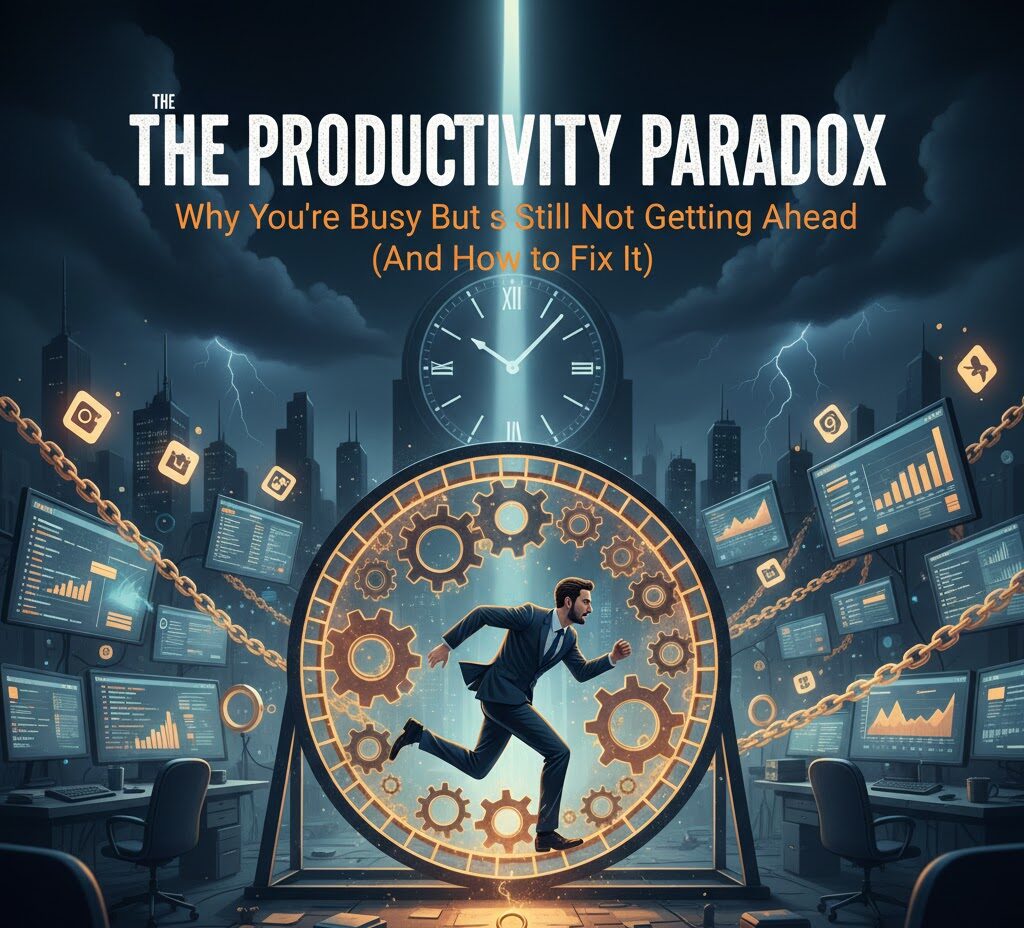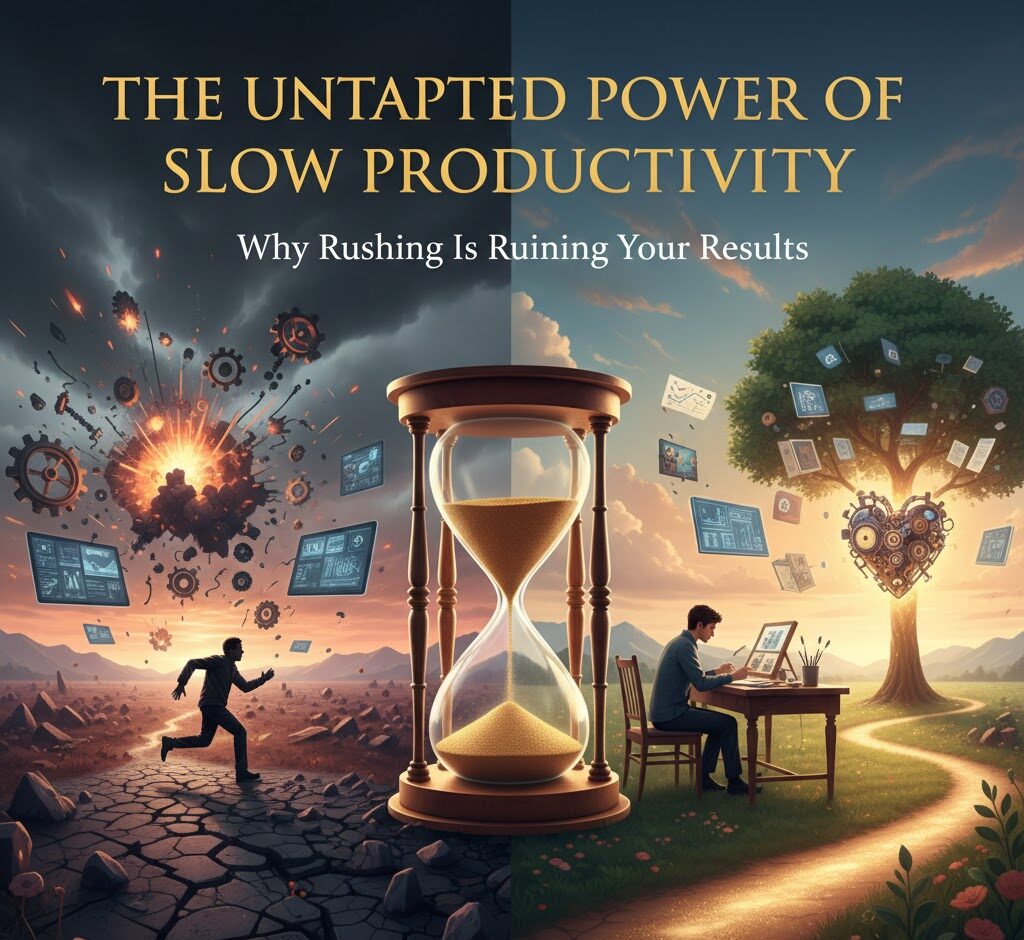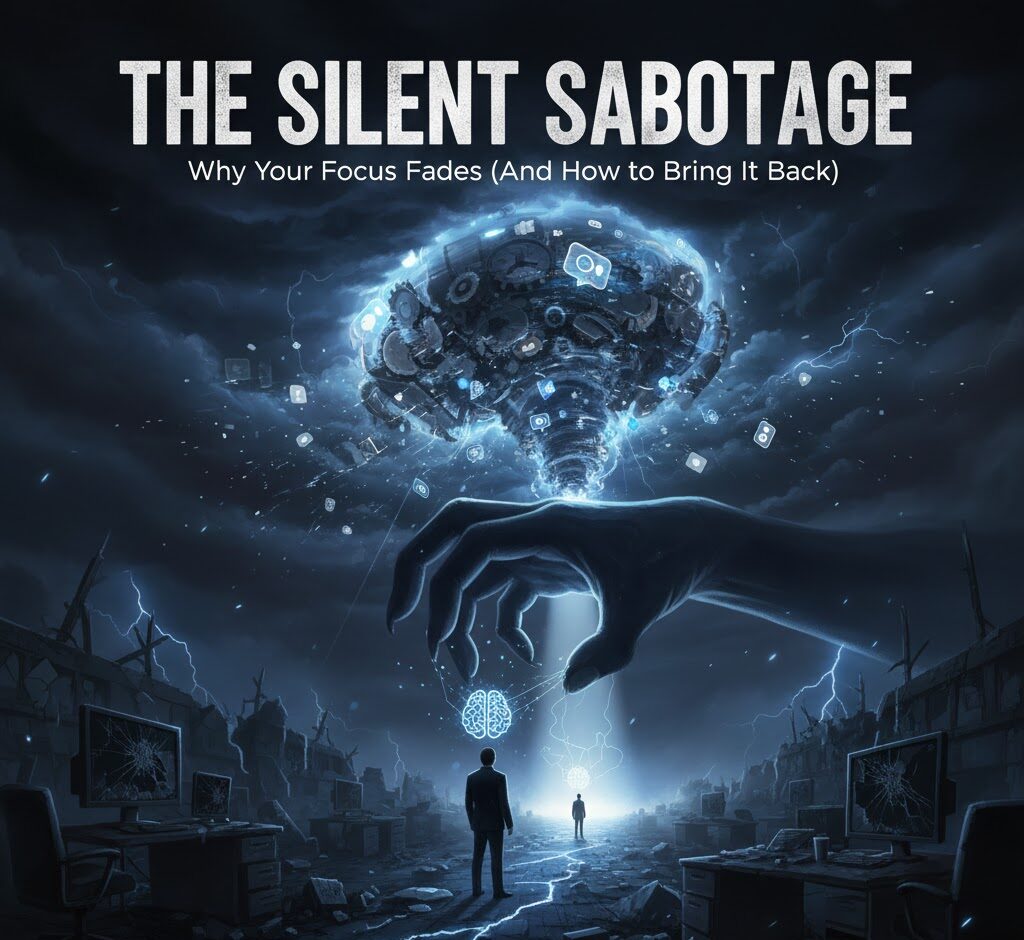
Remember that feeling? The one where you’re *exhausted* after a long day, but you look back and think, “What did I actually accomplish?” We’ve all been there. I’ve been there countless times. It’s the productivity paradox – you put in the hours, the effort, the hustle, but the results just aren’t there. It’s a frustrating, often demoralizing, place to be.
 This isn’t about laziness. It’s not about a lack of will. It’s about a fundamental misunderstanding of how productivity actually *works*. We’re often taught to equate “busy” with “productive,” and that’s where the wheels fall off.
The Trap of Constant Motion
Think about your typical day. You probably wake up, check your phone (guilty!), dive into emails, attend meetings, and work through a to-do list. You’re *doing* things. But are you *achieving* the things that truly matter? Are you moving the needle on your goals? Or are you just spinning your wheels, reacting to the demands of the moment?
This is where productivity silently collapses. We get caught in the cycle of constant motion, mistaking activity for accomplishment. We confuse “doing” with “achieving”. This leads to:
- Burnout: The relentless pace drains your energy and motivation.
- Missed Deadlines: Overwhelm and poor planning leads to missed targets.
- Mediocre Results: The tasks that actually move your goals forward get pushed aside.
The Root Causes of Productivity Failure
So, what’s going on? Why does hard work often fail to translate into tangible results? There are several common culprits:
1. Poor Planning (or No Planning at All)
Most people stay busy but avoid this. We often skip this vital step. A haphazard day, with no plan, is a recipe for disaster. We just react to whatever lands in front of us. No time to proactively plan, or think strategically. You’re constantly firefighting, instead of building a solid foundation. If you fail to plan, you plan to fail.
2. The Illusion of Multitasking
Let’s be real, multitasking is a myth. Our brains aren’t wired to do multiple complex tasks simultaneously. When you try to do several things at once, you’re actually context switching – constantly jumping between different activities. This burns precious mental energy and destroys focus. This is a massive productivity killer.
3. Distraction Addiction
Our phones, emails, social media, and the constant notifications are designed to grab our attention. It is a distraction factory. Each interruption pulls you away from deep work and makes it harder to get back on track. This constant barrage of distractions significantly reduces your ability to concentrate.
4. The Energy Drain
Are you treating your energy like a finite resource? Many people overlook this crucial aspect of productivity. Physical and mental fatigue can make even the simplest tasks feel monumental. Poor sleep, bad diet, and lack of breaks will tank your output and kill your drive.
5. Lack of Systems
Relying on willpower alone is a losing game. It’s not sustainable. When you don’t have systems in place, you’re always starting from scratch, trying to figure things out on the fly. This lack of structure leads to inconsistencies, wasted effort, and ultimately, a lack of progress.
The Pillars of Sustainable Productivity
Real productivity starts when you address these root causes. It’s about working *smarter*, not just *harder*. It’s about building systems, not relying on willpower. It’s about understanding that productivity is a marathon, not a sprint. Here are the core strategies to implement:
1. Strategic Planning: The Foundation
Before you do anything else, you *must* plan. This isn’t about creating a rigid, unrealistic schedule that you’ll never follow. It’s about setting clear priorities and allocating your time effectively.
Here’s a simple system to start with:
- Weekly Review: Set aside 30 minutes at the end of each week (or the beginning) to review your goals, successes, and failures.
- Daily Planning: Every morning (or the night before), take 10-15 minutes to plan your day. Identify your top 3-5 priorities (the things that will have the biggest impact). Schedule time blocks for focused work on these tasks.
- Time Blocking: Block out specific time slots for focused work, meetings, breaks, and other activities. Be realistic about how long tasks take.
2. Master Your Focus
Focus is the cornerstone of productivity. Eliminate distractions, and protect your time for deep work. Here’s what to do:
- Turn off Notifications: Seriously, turn them off. All of them. Schedule specific times to check emails and social media.
- Use Website Blockers: Tools like Freedom or Cold Turkey can block distracting websites and apps during your work sessions.
- Practice the Pomodoro Technique: Work in focused 25-minute intervals, followed by a short break. This helps to maintain concentration and prevent burnout.
- Create a Dedicated Workspace: Minimize visual clutter and distractions in your work environment.
3. Embrace Single-Tasking
Resist the urge to multitask. Focus on one task at a time, giving it your full attention. You’ll be amazed at how much faster and better you work when you’re not constantly switching gears.
4. Manage Your Energy Levels
Your energy is a limited resource. Treat it with respect. Here’s how:
- Prioritize Sleep: Aim for 7-9 hours of quality sleep per night. Create a relaxing bedtime routine to help you wind down.
- Fuel Your Body: Eat a balanced diet, full of whole foods. Avoid processed foods, sugar crashes and caffeine overloads.
- Take Regular Breaks: Step away from your work every hour or so. Get up, walk around, stretch, or do something that helps you recharge.
- Incorporate Movement: Exercise regularly. Even a short walk can boost your energy levels and improve focus.
5. Build Habit Systems
Willpower is unreliable. Habits, however, are your secret weapon. Create systems that support your goals. Here are some tips:
- Start Small: Don’t try to change everything at once. Focus on building one new habit at a time.
- Use Habit Tracking: Track your progress with a habit tracker (paper-based or digital). This provides accountability and motivation.
- Make It Easy: Reduce friction and make it as easy as possible to stick to your habits. For example, lay out your workout clothes the night before.
- Reward Yourself: Celebrate your successes. Give yourself a small reward when you achieve a habit goal.
6. Embrace the Power of “No”
Learn to say no to things that don’t align with your priorities. Protect your time and energy by declining commitments that will distract you from your most important work.
Modern Relevance: Productivity in 2026
The work landscape is constantly evolving. In 2026, we’re seeing:
- The Rise of Hybrid Work: Many professionals are working in hybrid models. This requires even *more* intentionality about how you structure your time and manage your focus.
- AI and Automation: Embrace AI tools for repetitive tasks, allowing you to free up your time for strategic thinking and creative work. Don’t be afraid to experiment with AI to enhance your productivity, not replace it.
- Digital Overload: The constant flow of information and notifications continues to increase. Develop strong boundaries and digital detox habits to protect your mental well-being.
- Emphasis on Mental Health: Companies and individuals are increasingly recognizing the importance of mental health and well-being. Prioritize self-care, mindfulness, and stress management techniques.
The future of sustainable productivity is about working *smart*, and *mindfully*. It’s about building systems that support your goals without sacrificing your well-being.
The Long-Term Impact
Investing in productivity systems is an investment in yourself. It goes far beyond just getting more done. The benefits are significant and long-lasting:
- Increased Performance: You’ll accomplish more in less time, leading to greater success in your career or business.
- Higher Income: Improved productivity often translates to increased earnings.
- Reduced Stress: When you’re in control of your time and your work, you experience less stress and anxiety.
- Improved Mental Health: Productivity systems create a sense of control and accomplishment, which boosts your mood and reduces the risk of burnout.
- More Free Time: Yes, you *can* work less and achieve more. Productivity unlocks more time for the things you love, for your family, and for yourself.
This is not just a bunch of productivity tips, it is a new way of working. It is a new way of *living*.
FAQ: Your Productivity Questions Answered
Here are some of the most common questions people have about productivity, with experience-backed answers:
Q: How do I stop procrastinating?
A: Identify the underlying reason for your procrastination. Are you overwhelmed? Afraid of failure? Uninterested? Then, break large tasks into smaller, more manageable steps. Use the Pomodoro Technique to start. Reward yourself after completing tasks.
Q: How can I stay focused for longer periods?
A: Minimize distractions. Turn off notifications. Use website blockers. Practice deep work sessions. Prioritize sleep, nutrition, and regular breaks.
Q: Is it really possible to work less and achieve more?
A: Absolutely. This is the core principle behind sustainable productivity. By working smarter (planning, focus, systems) you can reduce the hours and significantly increase your results.
Q: How do I deal with feeling overwhelmed?
A: Take a step back. Breathe. Identify your top 1-3 priorities. Break down large tasks into smaller steps. Delegate tasks if possible. Practice self-care.
Q: What are the best productivity tools?
A: The best tools are the ones that you will actually *use*. Start with a simple to-do list, a calendar, and a note-taking app. Experiment to find the tools that work best for you.
Q: How do I build habits that stick?
A: Start small, track your progress, make it easy to follow through, and reward your successes. Consistency is key. Don’t be afraid to adjust your approach as needed.
Q: What if I’m just not a “morning person”?
A: That’s okay! Find your peak productivity hours and schedule your most important work during those times. The timing is less important than consistency.
Q: How do I deal with interruptions at work?
A: Set boundaries. Let colleagues know when you need focused work time. Use “do not disturb” status. Schedule specific times for responding to emails and messages. If possible, consider setting up a dedicated, quiet workspace.
Conclusion: Your Productivity Transformation Begins Now
The productivity paradox is a real challenge, but it’s not insurmountable. By understanding the root causes of productivity failure and implementing sustainable systems, you can transform your work habits and unlock your full potential.
It starts with a shift in mindset: moving from “busy” to “productive,” from frantic to focused, from exhausted to energized. Embrace the principles outlined here, be patient with yourself, and commit to consistent action. Real, lasting productivity is within your reach. It will transform not only your output, but also the quality of your life.
Want to go deeper on this? Learn more about focus at The Silent Productivity Killer: How to Reclaim Your Focus in a Distracted World.