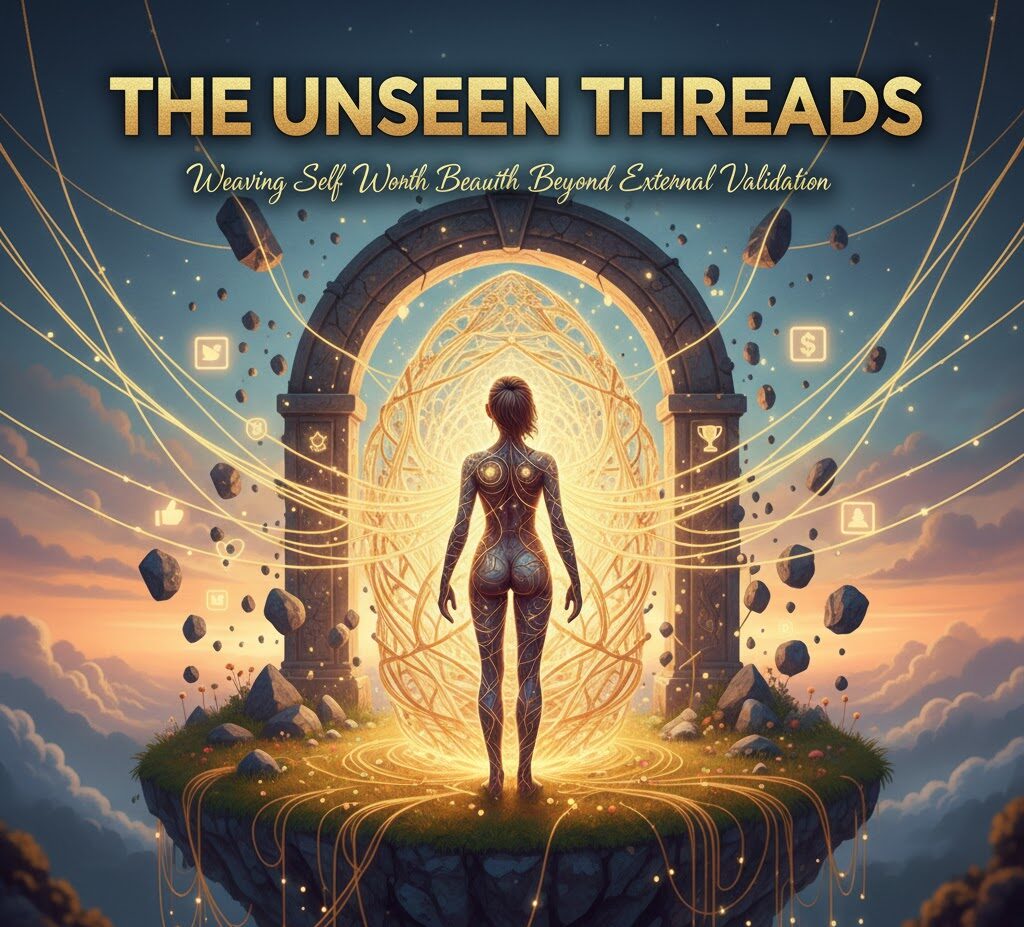
There’s a quiet ache that settles in sometimes, a feeling that you’re not quite there yet. Not where you thought you’d be, not who you thought you’d be. It’s that whisper of discontent, the subtle pull towards something more, something… real. This is where the journey of unbecoming often begins – the slow, sometimes painful, but ultimately freeing process of shedding the layers that no longer serve you, the masks you wear to fit in, the limiting beliefs that hold you back. It’s a journey not of addition, but of subtraction. It’s about finding your truest self, not building a new one.
 We’re bombarded with messages about self-improvement, about “leveling up” and becoming the best version of ourselves. While there’s value in growth, it’s easy to get caught in a cycle of striving, of constantly chasing an ideal that feels just out of reach. This often leads to exhaustion and a sense of never being good enough. The beauty of unbecoming lies in its gentleness, its acceptance. It’s a process of recognizing what *isn’t* you, what’s holding you back, and letting it go.
The Illusion of Instant Transformation
One of the biggest traps in self-growth is the allure of quick fixes. We want instant results, overnight transformations, the “before and after” picture that promises a new life. But lasting change doesn’t happen in a day. It’s a slow burn, a gradual erosion of old patterns and the cultivation of new ones. It’s like trying to build a strong foundation for a house in a sandstorm; constantly pouring and building, only to have the wind shift and the foundation needing constant readjustment. It’s a humbling process.
I remember feeling this frustration acutely years ago. I was in my late twenties, striving, pushing, and feeling like I was getting nowhere. I read every self-help book, followed every guru, and tried every technique. Yet, the inner turmoil persisted. I wanted to become this “ideal” version of myself, a person I thought I *should* be. I neglected my true self in the process. I was trying to become someone else, not allowing myself to simply *be*.
The truth is, real growth is messy. It’s uncomfortable. It involves facing the parts of ourselves we’d rather ignore: our insecurities, our fears, our vulnerabilities. It’s a process of peeling back the layers, and sometimes, that means getting your hands dirty. It’s like tending to a garden, you need to pull the weeds before the flowers can truly bloom. There will be seasons of growth, followed by seasons of rest and introspection. And the best part? The most rewarding aspect is the constant learning.
Unpacking the Baggage: Identifying What Isn’t You
So, how do we begin this journey of unbecoming? It starts with awareness. It’s about turning inward and asking yourself some difficult questions. What beliefs are holding you back? What patterns keep repeating themselves? What masks do you wear to protect yourself? What do you fear?
This is where things can get challenging, and sometimes it can feel like you’re digging through emotional clutter. This requires honesty, radical self-acceptance, and a willingness to confront your shadow side. For example, if you consistently people-please, ask yourself: Why? What are you afraid of? Are you afraid of rejection? Unseen consequences? Disagreement?
Here are some common areas where we often get stuck, where we accumulate baggage we don’t need:
- Limiting Beliefs: These are the stories we tell ourselves about what’s possible, and they often come from childhood experiences, societal conditioning, or past failures. “I’m not good enough,” “I’m not smart enough,” or “I’m not worthy of love” are all examples of limiting beliefs that can sabotage our growth.
- People-Pleasing: This is a way of seeking validation from others by constantly putting their needs before your own. While it can feel good in the moment, it ultimately leads to resentment and a loss of your sense of self. It leaves you feeling hollowed, like a shell.
- Fear of Judgment: This can paralyze us, preventing us from taking risks, pursuing our dreams, or simply being ourselves.
- Perfectionism: The relentless pursuit of flawlessness can be exhausting and self-defeating. It sets an impossibly high standard, leading to disappointment and a fear of failure.
- Unhealthy Relationships: Toxic relationships can drain our energy, undermine our self-esteem, and keep us stuck in unhealthy patterns. This can include family, friends, and romantic partners.
This isn’t about blaming ourselves, but about understanding the root causes of our behaviors and making conscious choices to change them. It’s an act of compassion toward ourselves.
The Slow Burn: Cultivating the Habits of Unbecoming
Once you’ve identified what needs to go, it’s time to build new habits, those that support the process of unbecoming. This isn’t about achieving perfection. It’s about small, consistent steps, day after day. It’s about creating a new foundation.
Here are a few practices that can help you on your journey:
- Mindfulness and Self-Reflection: The practice of mindfulness helps you become more aware of your thoughts, feelings, and sensations without judgment. This can be as simple as spending a few minutes each day in meditation or journaling. Journaling provides a great way to let go of thoughts.
- Setting Healthy Boundaries: Learning to say “no” to things that drain your energy and saying “yes” to the things that nourish you is crucial for protecting your time, energy, and well-being. It is about making sure you are taken care of first, not last.
- Practicing Self-Compassion: Treat yourself with the same kindness and understanding you would offer a friend. Acknowledge your imperfections, forgive your mistakes, and celebrate your progress.
- Challenging Limiting Beliefs: When a negative thought arises, question its validity. Ask yourself: Is this true? Is it helpful? Is it necessary? Replace negative thoughts with more empowering ones.
- Seeking Support: Talk to a therapist, coach, or trusted friend. Having someone to talk to can provide much-needed support, guidance, and accountability.
- Embracing Imperfection: Let go of the need to be perfect. Recognize that mistakes are inevitable and that they are opportunities for growth.
- Prioritizing Rest and Self-Care: Make sure you are getting enough sleep, eating nutritious foods, exercising, and doing things that bring you joy.
These habits may seem small, but they have a cumulative effect. They slowly reshape your inner landscape, creating a foundation of self-awareness, resilience, and inner peace. They help you find your true north. They can also help with productivity. Reclaiming your focus starts from within.
Mistakes to Avoid on the Path
There are pitfalls in the self-growth journey, roadblocks that can stall your progress. Knowing about them helps you navigate them better. Avoiding these common mistakes can greatly aid in your journey of unbecoming:
- Comparing Yourself to Others: Social media can be a breeding ground for comparison, leading to feelings of inadequacy. Remember that everyone is on their own journey, and comparing yourself to others is like comparing apples and oranges.
- Ignoring Your Intuition: Your intuition is your inner compass. It’s the voice that guides you toward your truth. Learn to trust it, even when it goes against the grain.
- Being Too Hard on Yourself: Self-criticism can be paralyzing. Be kind to yourself, and celebrate your progress, no matter how small.
- Seeking External Validation: True self-worth comes from within. Don’t rely on others to tell you who you are or what you’re worth.
- Staying in Your Comfort Zone: Growth happens outside of your comfort zone. Be willing to take risks, try new things, and challenge yourself.
- Giving Up Too Soon: The journey of self-growth is a marathon, not a sprint. There will be setbacks and challenges. Don’t give up. Keep showing up for yourself.
- Ignoring Your Physical and Emotional Needs: Your physical and emotional well-being are interconnected. Neglecting one will affect the other.
The Long-Term Impact: Finding Your True North
The beauty of unbecoming isn’t just about shedding what no longer serves you; it’s about creating space for what truly matters. As you release limiting beliefs, patterns, and behaviors, you’ll experience a profound shift in your inner landscape. This will open you up to a life of:
- Increased Self-Awareness: You’ll gain a deeper understanding of your thoughts, feelings, and motivations. You’ll become more attuned to your needs and desires.
- Greater Confidence: As you shed the masks and embrace your authentic self, you’ll develop a sense of inner confidence that isn’t dependent on external validation.
- Improved Relationships: When you’re secure in yourself, you will be able to build healthier, more fulfilling relationships based on trust, respect, and mutual understanding.
- Enhanced Decision-Making: With a clearer understanding of your values and priorities, you’ll make decisions that are aligned with your truest self.
- Increased Resilience: You’ll become more adaptable and resilient in the face of challenges. You’ll be able to bounce back from setbacks with greater ease.
- A Sense of Purpose and Meaning: You’ll gain clarity on what truly matters to you, leading to a life filled with purpose and meaning.
- More Peace and Joy: As you release the weight of the past and embrace the present moment, you’ll experience a greater sense of peace and joy in your life.
The journey of unbecoming is a continuous process. It’s not a destination, but a way of being. It’s a journey of self-discovery, of shedding the layers and embracing the beauty of your authentic self. The destination is your truest self. This will require focus, but the journey to greater focus begins within. It’s a journey home, a journey to a deeper, more fulfilling life.
In this modern world, where so much is about superficial metrics, this becomes even more important. True growth comes from inside and will help you handle everything that comes your way, giving you a strong foundation. In a world of increasing pressures, learning and understanding yourself is a gift.
Frequently Asked Questions
Here are some of the questions that often come up as people begin their journey of unbecoming:
- How do I know where to start?Start with awareness. Take some time to reflect on your life. What patterns keep repeating themselves? What areas of your life feel stagnant or unsatisfying? Start with the things that bother you the most.
- Is it okay if this process is hard?Absolutely. Growth is often uncomfortable. It involves facing your fears, challenging your beliefs, and stepping outside of your comfort zone. Embrace the discomfort as a sign that you’re growing.
- How do I deal with the fear of failure?Reframe failure as a learning opportunity. Realize that everyone fails sometimes. Instead of seeing failure as a reflection of your worth, see it as a chance to learn and grow. It’s not the end, but the beginning.
- How do I let go of the past?Practice self-compassion. Forgive yourself for your mistakes. Acknowledge your feelings, and release the stories that no longer serve you. Focus on the present moment and what you can do today to move forward. If you feel like you are stuck, there are many tools and techniques to help you gain focus.
- How do I find my purpose?Start by exploring your interests and passions. What activities make you feel alive and energized? What problems do you care about solving? Your purpose will evolve over time. Be open to exploring and experimenting.
- How long does this take?There is no set timeline. Everyone’s journey is unique. Some things take more time to heal or process. Focus on the process and celebrate your progress, no matter how small. Be patient with yourself.
- What if I feel like I’m not making progress?Be kind to yourself. Remind yourself that growth is not linear. There will be ups and downs. If you’re struggling, consider seeking support from a therapist, coach, or trusted friend. Sometimes, an outside perspective can help you see things more clearly.
- Is it worth it?Yes. Absolutely. The rewards of unbecoming – self-awareness, confidence, fulfilling relationships, and a sense of purpose – are immeasurable. It’s a journey that will transform your life from the inside out.
The process of “unbecoming” can feel like a daunting task, but the journey is worth it. It is a long road home, but with dedication and consistency, you can find the truest version of yourself.
Ready to start? Learn more at Jamgro.