Ever feel like you have to be “strong” all the time? Like showing any vulnerability is a sign of weakness? We’ve all been there. It’s the unspoken rule, the societal pressure to keep it together, to not let anyone see you sweat. But what if this constant show of strength is actually hurting us? What if the emotional armor we build to protect ourselves is silently holding us back from the very things we crave: connection, joy, and a truly authentic life?
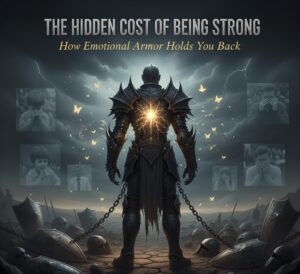 This isn’t about being “weak” or “soft.” It’s about recognizing the hidden cost of suppressing your emotions, of building walls around your heart. I’ve spent over two decades helping people navigate their inner worlds, and I can tell you: the strongest people aren’t those who never feel, but those who feel deeply and are brave enough to show it.
The Armor We Wear: How Emotional Suppression Begins
Let’s be honest, the pressure to be strong starts young. As kids, we’re often told to “buck up,” “don’t cry,” or “shake it off.” We learn that expressing sadness, fear, or anger is somehow unacceptable. This conditioning, combined with experiences that cause us pain or embarrassment, slowly builds the armor. We start to believe that showing our true feelings will make us vulnerable to judgment, rejection, or harm.
This armor isn’t always obvious. Sometimes it manifests as a stiff upper lip, a stoic expression that hides the turmoil within. Other times, it looks like constant busyness, a relentless drive to achieve and distract ourselves from the discomfort of our emotions. Still others may numb themselves with substances or other behaviors. Whatever form it takes, the purpose is the same: to protect ourselves from the perceived threat of feeling.
Most people don’t notice this pattern. It’s a subconscious response, a learned behavior that becomes deeply ingrained over time. We become so accustomed to wearing the armor that we forget it’s even there.
The Silent Sabotage: How Emotional Armor Impacts Your Life
The problem is, this armor doesn’t just protect us; it also isolates us. Think about it: how can you truly connect with others if you’re constantly hiding your true self? How can you experience the full spectrum of human emotions, the joy, the sorrow, the vulnerability, if you’re blocking them off?
Here’s the thing: all emotions have a purpose. Sadness, for instance, can help us process loss and heal. Anger, when channeled constructively, can motivate us to fight for what we believe in. Fear can alert us to danger and keep us safe. When we suppress these emotions, we’re not just blocking the “bad” ones; we’re also numbing the “good” ones.
Here are some of the ways emotional armor quietly sabotages your life:
- Damaged Relationships: Suppressing emotions makes it difficult to be truly intimate with others. How can someone get close to you if you won’t let them see your real self? You might find yourself building walls, pushing people away, or struggling to maintain meaningful connections.
- Increased Stress and Anxiety: Holding back your feelings takes a tremendous amount of mental and physical energy. This constant internal pressure can lead to chronic stress, anxiety, and even physical health problems.
- Difficulty with Self-Awareness: If you’re not in touch with your emotions, how can you understand your needs, values, and desires? You may struggle to make decisions that align with your authentic self, leading to feelings of dissatisfaction and a sense of being lost.
- Emotional Burnout: The constant effort to control your emotions can lead to emotional exhaustion and burnout. You may feel drained, irritable, and cynical.
- Missed Opportunities: When fear controls you, you might avoid taking risks, pursuing your dreams, or stepping outside your comfort zone. This can lead to regret and a feeling of being stuck.
The Mindset Shift: Breaking Free From Your Emotional Armor
The good news is, you can take off the armor. It’s not easy, and it takes time and effort, but it’s absolutely possible. The real shift begins when you see that showing vulnerability is not a weakness, but a sign of courage. It’s about recognizing that your emotions are not something to be feared but rather understood and accepted.
Here are a few practical steps you can take to begin the process:
- Start with Self-Awareness: This is where it all begins. Pay attention to your emotions throughout the day. What are you feeling? Where do you feel it in your body? What thoughts are driving those emotions? Keep a journal to explore your feelings and to understand what triggers them.
- Challenge Your Beliefs: Question the assumptions that drive your armor. Where did you learn that showing vulnerability was a sign of weakness? What evidence do you have that this belief is true? Can you see other perspectives?
- Practice Mindfulness: Mindfulness helps you become more aware of your emotions without judgment. It allows you to observe your feelings without getting carried away by them. Try meditation, deep breathing exercises, or simply taking a few moments each day to focus on your breath.
- Embrace Vulnerability in Small Steps: Start small. Share a difficult feeling with a trusted friend or family member. Express your needs and boundaries. The more you practice, the easier it will become.
- Seek Support: Talking to a therapist or counselor can provide a safe space to explore your emotions and develop healthy coping mechanisms. Don’t be afraid to ask for help.
- Set Realistic Expectations: Breaking free from emotional armor is not an overnight process. Be patient with yourself. There will be setbacks. That’s okay. The key is to keep showing up, keep learning, and keep practicing.
- Challenge Your Inner Critic: Your inner critic often reinforces the need for emotional armor. Learn to recognize the negative self-talk and replace it with more compassionate and realistic thoughts.
This is where the mind quietly sabotages progress, by telling you that being vulnerable is dangerous. But, what if the opposite were true? What if showing your true self actually opened you up to more love, connection, and joy?
Myth Busting: Common Misconceptions About Emotional Strength
Let’s bust some of the popular mindset myths that keep people stuck in their emotional armor:
- Myth: “Being strong means never showing emotion.”
Reality: True strength comes from embracing your emotions, not suppressing them.
- Myth: “You should always be in control of your emotions.”
Reality: Emotions are not meant to be controlled, but rather understood and managed. Trying to control them can lead to further suppression and mental health concerns.
- Myth: “Showing vulnerability is a weakness.”
Reality: Vulnerability is the cornerstone of connection and authentic living.
- Myth: “You can “think” your way out of difficult emotions.”
Reality: While your thoughts can influence your feelings, emotional healing requires more than just positive thinking.
- Myth: “You should always be positive.”
Reality: The full spectrum of human emotion includes “negative” feelings like sadness and anger. The suppression of these feelings will keep the emotional armor in place.
The Future of Emotional Intelligence and Mental Resilience
Looking ahead, emotional intelligence and mental resilience will be even more critical in navigating the complexities of modern life. As technology continues to evolve and social pressures intensify, the ability to understand and manage our emotions will be essential for our well-being and success. There’s a growing awareness of the importance of mental health and emotional well-being, both in the workplace and in society at large.
This is why understanding and embracing your emotions is more than just a personal journey; it’s a critical skill for thriving in the 21st century. It’s about building a future where authenticity, vulnerability, and genuine connection are not just valued, but celebrated.
We are learning more and more about the interconnectedness of our minds and bodies. Practices like mindfulness, meditation, and somatic experiencing are gaining wider acceptance. More companies are beginning to prioritize employee well-being and provide resources for mental health support.
The younger generation is leading the charge in dismantling the stigma surrounding mental health. They are more open about their struggles and more willing to seek help. This cultural shift creates a space for a more compassionate and understanding approach to emotional well-being.
It’s an exciting time to be alive, a time where we’re shifting away from the old, rigid ideas of strength and moving towards a more holistic understanding of what it means to be human.
FAQs: Your Questions About Shedding Emotional Armor
Here are some of the questions I often get from people struggling with emotional armor:
- How do I know if I’m wearing emotional armor?
Pay attention to how you respond to difficult emotions. Do you shut down, withdraw, or become defensive? Do you find yourself avoiding conversations about your feelings? If so, you likely have some level of emotional armor.
- What if I’m afraid of my emotions?
It’s natural to feel afraid of emotions you haven’t processed, but it’s important to understand why they are there and not to fight them. Start by gently exploring those emotions. Journal about them, talk to a trusted friend, or seek professional support.
- Is it okay to get angry?
Absolutely. Anger is a natural and valid emotion. The problem isn’t the anger itself, but how you express it. Learn to express your anger in healthy and constructive ways, such as by setting boundaries, communicating your needs, or engaging in physical activity.
- I’m not used to showing my feelings. Where do I even start?
Start with small steps. Share your feelings with one trusted person. Start journaling. Practice mindfulness. Remember, you don’t have to overhaul your entire life overnight.
- What if I’m afraid of being judged for showing my emotions?
It’s a valid fear, but try to remember that the people who truly care about you will accept you as you are. Surround yourself with supportive people, and gradually build your confidence.
- How long does it take to break free from emotional armor?
There is no set time frame. It’s a journey, not a destination. It will take time, patience, and effort, but the rewards are immeasurable.
- Can I do this on my own, or do I need professional help?
You can make progress on your own, but many people find it helpful to work with a therapist or counselor. A professional can provide a safe space to explore your emotions, develop healthy coping mechanisms, and navigate the challenges of breaking free from emotional armor.
- What is the most important thing to remember?
Be kind to yourself. This is a journey, and there will be ups and downs. Celebrate your progress, and don’t give up on yourself. You are worthy of living a life of authenticity, connection, and joy.
The journey to shed your emotional armor is not about becoming “stronger,” but about becoming more human. It is about allowing yourself to feel, to connect, and to live a life that is truly your own. It’s not always easy, but the freedom and joy that awaits you on the other side are worth every single step.
If you feel stuck or are struggling, I encourage you to consider professional guidance from a trained therapist or counselor. They can offer invaluable support and tools to help you navigate this journey with greater ease and self-compassion. The key to unlocking true strength lies not in the absence of emotion, but in the courage to embrace the full spectrum of your human experience. You are not alone on this path; reach out for the help and support you deserve, and begin your journey towards a more authentic and fulfilling life.
The Truth About Initiative: Why It’s the Most Underrated Skill in Your Career.