Remember those days when you could just *go*? Wake up, hit the ground running, and power through a long day without feeling like you’d been hit by a truck? Yeah, me too. Somewhere along the way, life—work, family, the endless scroll—sucked the juice right out of our batteries. We’re left feeling depleted, dragging ourselves through the day, and wondering why we’re not getting anywhere.
 This isn’t about some quick-fix “productivity hack.” It’s about a fundamental shift in how you view your day. Instead of chasing more hours or pushing harder, it’s about becoming a master of your own energy. Think of it like this: your energy is your most precious resource. It’s finite. And if you don’t manage it proactively, you’ll burn out.
The Productivity Cliff: Where Most People Fall
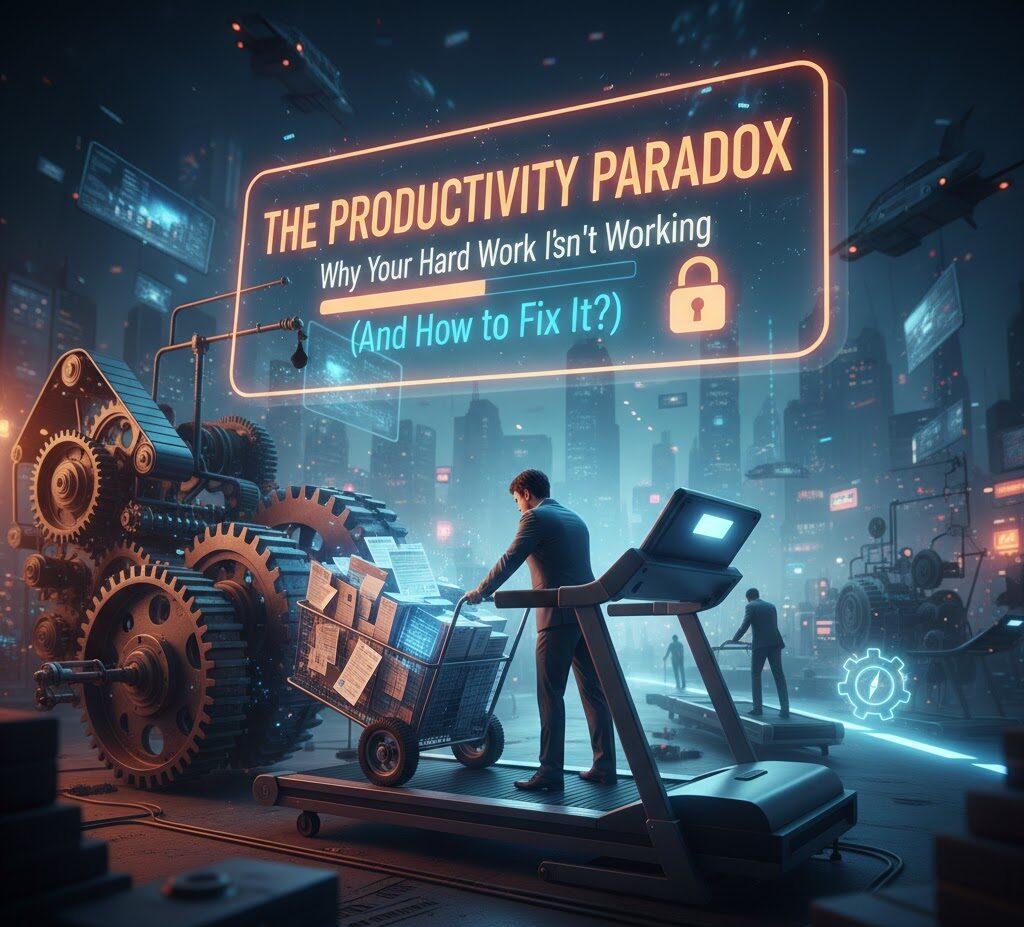
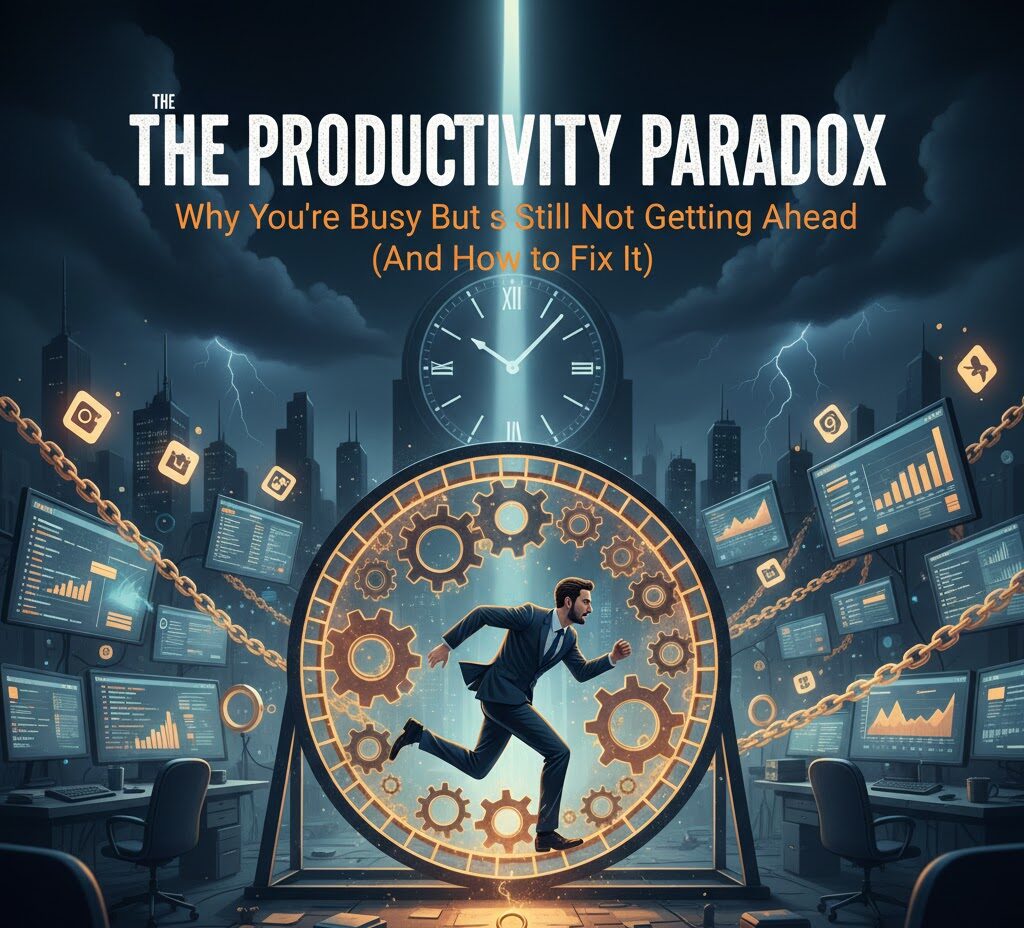
The biggest productivity mistake I see, day in and day out, is the simple failure to recognize energy levels. We treat our mental and physical batteries as if they’re always full. We schedule back-to-back meetings, cram our calendars with tasks, and then wonder why we crash at 3 PM, unable to focus on anything.
This is where productivity silently collapses:
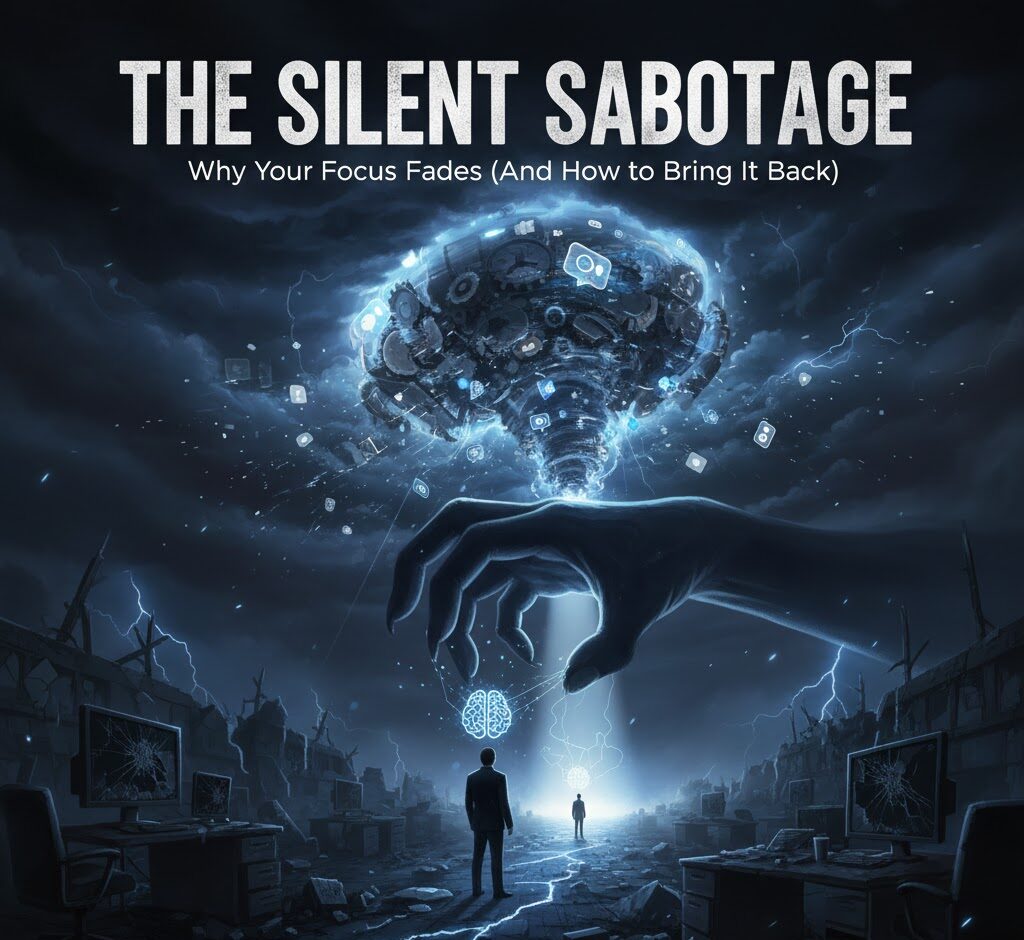
- Ignoring the Signals: Your body and mind are constantly sending signals. Fatigue, brain fog, irritability – these are all warning signs that your energy reserves are low. But most people ignore them, pushing through until they hit a wall.
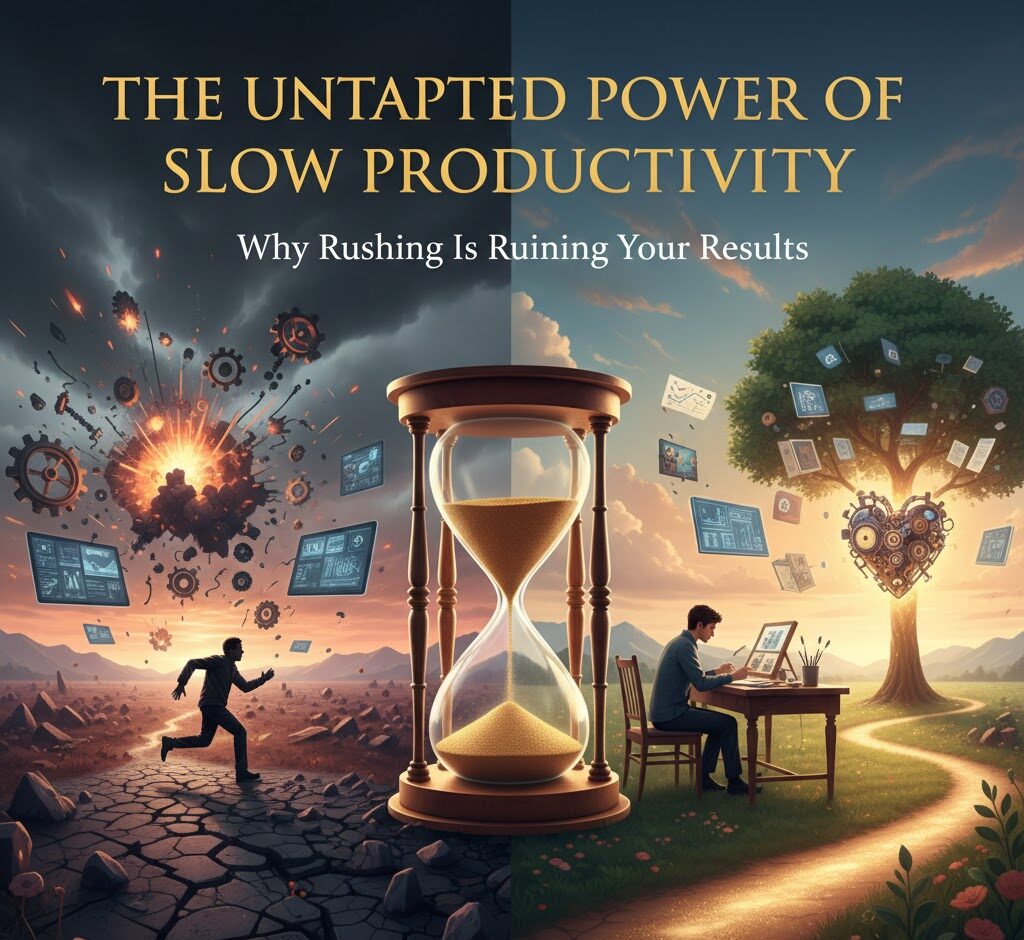
- The “More is Better” Fallacy: Working longer hours isn’t the answer. Burning the midnight oil might *seem* productive in the short term, but it depletes your energy reserves, reduces cognitive function, and guarantees diminishing returns.
- Poor Planning: Randomly tackling tasks without considering your energy cycle is a recipe for disaster. You might start with a complex project when your energy is low, guaranteeing frustration and a lack of progress.
The long-term impact? Wasted time, missed opportunities, and a constant feeling of being overwhelmed. You’re working harder, but getting less done. And, let’s be honest, it sucks the joy out of life.
The Energy Audit: Your Step-by-Step Guide
An energy audit is not a complicated process. It’s about becoming acutely aware of your energy levels throughout the day and then making small, strategic adjustments to optimize your output.
Here’s how to do your own energy audit:
- Track Your Energy: For a week, keep a simple log. Note your energy levels every 1-2 hours. Use a scale of 1-10 (1 = completely drained, 10 = peak performance). Also, note what you’re doing when you experience highs and lows.
- Identify Energy Zappers: Be honest with yourself. What activities drain your battery the most? Meetings? Social media? Dealing with certain people? Write them down.
- Identify Energy Boosters: What activities give you a lift? A quick walk? A phone call with a friend? A few minutes of deep breathing? Make a list.
- Map Your Day: Based on your energy tracking, create a daily schedule that aligns with your energy cycles. Schedule high-focus tasks for your peak performance times. Schedule less demanding activities for when your energy dips.
- Implement Strategic Breaks: Don’t wait until you crash. Build short, regular breaks into your day. Step away from your desk, stretch, grab some water, or listen to music.
- Optimize Your Environment: Your environment has a huge impact on your energy. Make sure your workspace is comfortable, well-lit, and free of distractions. Consider using noise-canceling headphones or a productivity timer.
The goal isn’t to eliminate all energy dips. It’s to minimize them, and to use the highs to your advantage. Think of it as a constant balancing act. Your energy levels will naturally fluctuate, but by becoming aware of them, you can regain control and dramatically boost your productivity.
The Power of Micro-Habits and Tiny Wins
The energy audit isn’t about a huge, sweeping lifestyle overhaul. It’s about making small, consistent changes.
Here are some practical micro-habits to start implementing today:
- Morning Ritual: Start your day with a routine that energizes you. This could include exercise, meditation, journaling, or a healthy breakfast.
- Strategic Breaks: Set a timer for 25-30 minutes (the Pomodoro Technique). Take a 5-minute break. Get up, walk around, and look away from your screen.
- Hydration Station: Keep a water bottle on your desk and sip throughout the day. Dehydration is a silent energy killer.
- Tech Timeouts: Schedule specific times to check email and social media. Avoid the constant notifications and distractions.
- Move Your Body: Stand up and stretch every hour. Go for a short walk. Even a few minutes of movement can make a huge difference.
- Mindful Moments: Take a few deep breaths whenever you feel your energy start to dip. A quick mindfulness exercise can help calm your mind and boost focus.
Start small, and focus on consistency. Don’t try to change everything at once. Choose one or two micro-habits to focus on each week. Track your progress, and celebrate your wins, no matter how small. This is how real change happens.
Busting Productivity Myths
There are some widely-held beliefs about productivity that are just plain wrong. They can sabotage your best efforts and leave you feeling burned out. Let’s bust a few myths:
- Myth: Multitasking is Efficient: Wrong. Multitasking is a productivity killer. Your brain can’t truly focus on multiple things at once. You end up switching between tasks, losing focus, and making more mistakes.
- Myth: Long Hours = High Output: No. Working longer doesn’t equate to getting more done. Your productivity peaks and dips. Constant work without rest leads to fatigue, burnout, and reduced output.
- Myth: Motivation is the Key: Motivation comes and goes. Relying on motivation is a recipe for inconsistency. Create systems and habits that support your goals, regardless of how you feel.
The Long-Term Impact: Beyond Just “Getting Things Done”
This is where it gets interesting. The true power of energy management goes far beyond simply crossing items off your to-do list. When you learn to manage your energy, you unlock a host of other benefits:
- Improved Focus and Concentration: When your energy is stable, your ability to focus deepens. You’ll be less distracted, more engaged, and able to do high-quality work in less time.
- Reduced Stress and Burnout: By proactively managing your energy, you create more resilience. You’re better equipped to handle stress and prevent burnout. This can help build rock-solid resilience.
- Enhanced Creativity and Innovation: When you’re not constantly drained, your mind is free to think creatively and come up with new ideas.
- Better Relationships: Being chronically tired makes you short-tempered and less present in your relationships. Increased energy levels lead to better interactions with your family, friends, and colleagues.
- Increased Income: Better focus, increased creativity, and less stress all translate into higher performance. And higher performance often leads to greater income.
- A More Meaningful Life: At the end of the day, productivity is about living a more fulfilling life. Energy management lets you spend more time doing the things you love, with the people you care about.
The Future of Sustainable Productivity
The way we work is constantly evolving, and the future of productivity will be defined by sustainable habits, not just the “hustle.” Here’s what to expect:
- Prioritizing Well-being: Workplace well-being will be paramount. Companies that prioritize employee energy levels and mental health will attract and retain top talent.
- The Rise of Energy Management Tools: Expect more apps and tools that help you track and optimize your energy levels. These could include wearable devices, biofeedback systems, and AI-powered productivity coaches.
- Flexible Work Models: Traditional 9-to-5 schedules are becoming less common. The future will involve flexible work arrangements that allow individuals to schedule their work around their peak energy times.
- The “Flow State” as a Goal: More people will strive to spend more time in a state of “flow” – that zone of deep concentration and enjoyment. This is where peak performance truly happens.
- Focus on Purpose and Meaning: More people will seek work that aligns with their values and contributes to something bigger than themselves. This sense of purpose will fuel sustainable productivity.
Frequently Asked Questions
Here are some of the common questions I get about energy management:
- How do I know if I’m burned out? Signs of burnout include chronic exhaustion, cynicism, feeling ineffective, and physical symptoms like headaches or sleep problems. If you’re consistently feeling these things, seek help.
- What’s the best time of day to do my most important work? That depends on your individual energy cycle. Track your energy for a week, and then plan your most demanding tasks for your peak performance times.
- How much sleep do I really need? Most adults need 7-9 hours of quality sleep per night. Sleep is essential for energy restoration.
- How can I avoid distractions while working? Turn off notifications, use website blockers, and create a dedicated workspace.
- Is it okay to take breaks during the day? Absolutely! Short, frequent breaks can boost productivity and prevent burnout.
- I’m already busy. How do I fit in energy management? Start small. Implement one or two micro-habits at a time. It takes a little time to build momentum, but the results are worth it.
- What’s the best way to deal with energy-draining people? Set boundaries. Limit your interactions with people who drain your energy.
- Does nutrition affect my energy levels? Absolutely. Eating a balanced diet and avoiding processed foods and sugary drinks can have a huge impact.
Managing your energy is not a fad; it’s a foundational skill for thriving in a demanding world. By focusing on your energy, you’ll not only become more productive, but you’ll also build a more fulfilling and sustainable life. Now go do your energy audit!