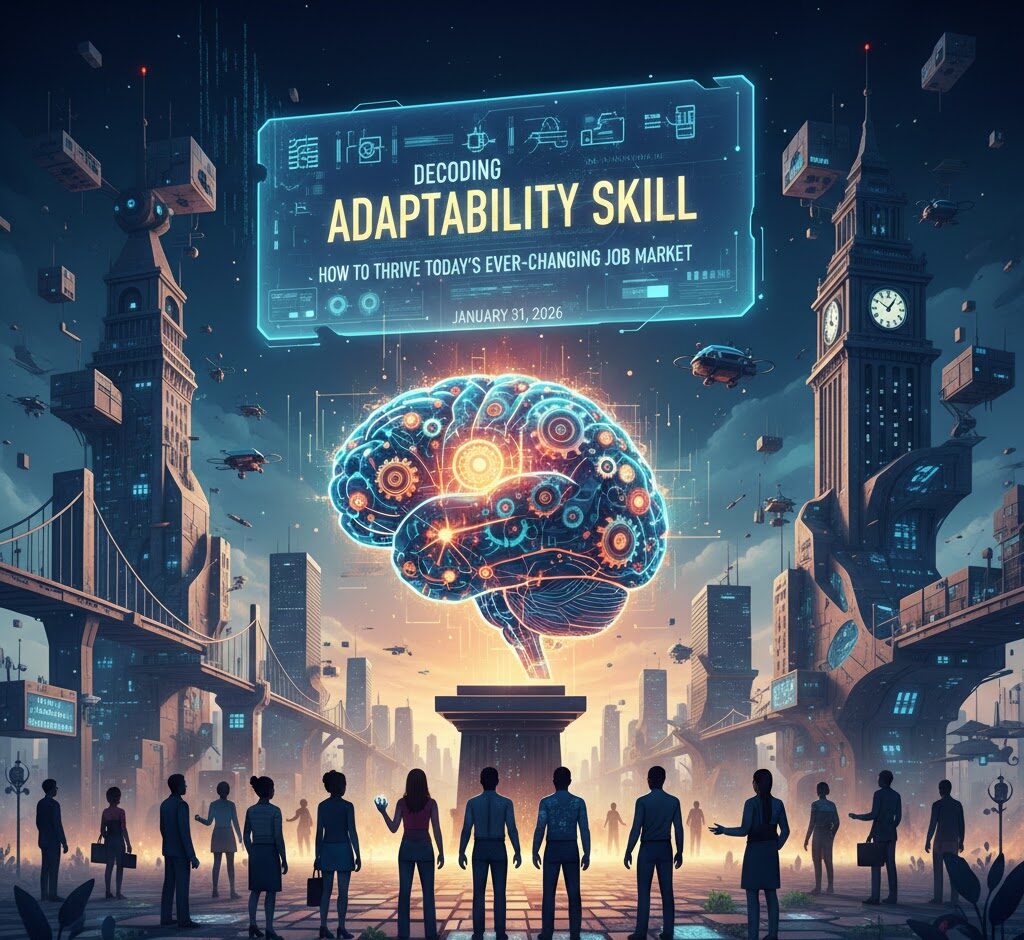
I’ve seen a lot in my 20+ years in this game. I’ve sat across the table from fresh-faced grads brimming with ambition, seasoned professionals weathering job market storms, and everyone in between. One thing has become crystal clear: the folks who thrive, the ones who not only survive but actually win, are the adaptable ones. They’re the ones who can roll with the punches, learn new things, and stay relevant, no matter what curveballs life throws.
 This isn’t some fluffy “be positive” kind of advice. This is about real-world career survival and growth. This is about future-proofing your skills, your career, and your earning potential. Because let’s face it: the only constant is change. And if you’re not ready to change with it, you’re setting yourself up for a world of hurt. Think of it like this: your skills are your tools. Adaptability is the ability to use those tools effectively, no matter the project.
Why Adaptability Matters More Than Ever
The job market has always been in flux, but right now, it’s like a high-speed roller coaster. New technologies emerge overnight. Industries rise and fall. The skills that were hot last year might be yesterday’s news today. Just look at how AI is changing everything. Adaptability isn’t just a nice-to-have anymore. It’s the price of admission. It’s what separates the job seekers who get interviews from those whose resumes end up in the digital trash bin. It’s the difference between a mid-level manager and a senior leader who can steer the ship through any storm.
Hiring managers are looking for people who can do more than just the tasks listed in the job description. They need problem-solvers. They need people who can learn on the fly. They need team players who can jump in and help, even if it’s outside their comfort zone. They need people who aren’t afraid to say, “I don’t know, but I’ll figure it out.” That’s the core of adaptability.
Here’s the thing: skills look great on paper. A long list of certifications, degrees, and past job titles can certainly catch a recruiter’s eye. But when the rubber meets the road—when the project deadlines loom and the unexpected problems start popping up—that’s when adaptability shines. It’s the ability to adjust your game plan, embrace new challenges, and keep moving forward, even when things get tough. Skills are important, but without adaptability, they’re like a sports car without a driver.
How Adaptability Works in the Real World (and Where People Mess Up)
Let’s get practical. Adaptability isn’t some mystical quality you’re born with. It’s a set of skills you can develop and refine. Here’s how it plays out in real-world scenarios, and the common mistakes people make along the way:
1. Embracing the Unknown
What it looks like at work: A new software system rolls out, and instead of complaining, you dive in and learn it. A project shifts direction, and you’re the first to volunteer for the new role. Your team is struggling, so you offer to help, even if it involves learning a new skill.
Where people go wrong: Resistance to change is the enemy. It’s easy to get stuck in your ways, clinging to the familiar. I’ve seen countless people shut down when faced with something new, whether it’s a new technology, a new process, or a new team member. They say things like, “That’s not my job,” or “I’ve always done it this way.” This is a dead end.
How to do it right: Cultivate a growth mindset. See new challenges as opportunities to learn and grow. Don’t be afraid to ask questions. Embrace the “I don’t know” and be eager to figure it out. Be the person who always raises their hand, even when the task seems daunting.
2. Learning Agility
What it looks like at work: You can quickly pick up new skills, whether it’s through online courses, on-the-job training, or simply by watching and learning from others. You’re not just passively absorbing information; you’re actively seeking it out.
Where people go wrong: Thinking that your degree or your experience is enough. The world changes too fast for that. Sticking to what you already know is a recipe for stagnation. Some people are afraid to look “stupid” and avoid asking questions or admitting they don’t know something. They try to fake it, which is transparent and damaging to their reputation.
How to do it right: Make learning a habit. Dedicate time each week to learn something new, even if it’s just a small piece of information. Identify your skill gaps and actively work to fill them. Be curious. Read articles, listen to podcasts, and talk to people who know more than you do. Don’t be afraid to be a beginner. And be open to feedback.
3. Problem-Solving Flexibility
What it looks like at work: You can think on your feet. When a problem arises, you don’t panic. You assess the situation, consider different solutions, and adjust your approach as needed. You can pivot if the first plan doesn’t work.
Where people go wrong: Getting stuck in analysis paralysis. Overthinking things and getting bogged down in details instead of taking action. I’ve seen so many people frozen by the fear of making a mistake that they never make a decision. Rigid thinking and a refusal to consider alternative solutions are major roadblocks.
How to do it right: Develop a bias for action. Don’t be afraid to experiment and try new things. If one approach doesn’t work, don’t be afraid to change course. Learn from your mistakes, but don’t dwell on them. Focus on finding solutions, not on placing blame. Reclaim your focus to enhance problem-solving.
4. Resilience
What it looks like at work: You bounce back from setbacks. You don’t let failure define you. You learn from your mistakes and use them as fuel to keep going. You can handle pressure and maintain a positive attitude, even when things are tough.
Where people go wrong: Taking setbacks personally and giving up easily. Burnout and feeling overwhelmed. Blaming external factors instead of taking ownership of their role. I see people give up after the first hurdle, especially when faced with rejection or criticism.
How to do it right: Build your emotional resilience. Develop healthy coping mechanisms for stress. Don’t be afraid to ask for help when you need it. Celebrate your successes, no matter how small. Focus on the lessons learned, not on the failures. This is the ultimate career skill.
5. Communication & Collaboration
What it looks like at work: You can work effectively with diverse teams and personalities. You’re able to communicate your ideas clearly, listen actively to others, and adapt your communication style to different situations. You are comfortable sharing ideas and contributing.
Where people go wrong: Poor communication skills, defensiveness, and a lack of empathy. Not being able to work well with others. Inability to be open to feedback and accept different points of view. I often see people who are unable to effectively communicate the problem, the solution, or the roadblocks to the team.
How to do it right: Practice active listening. Be clear and concise in your communication. Be willing to compromise. Seek to understand others’ perspectives. Develop empathy. Be open to feedback and be willing to adjust your approach based on what you hear. Embrace new ways of working with people.
Myth-Busting: Adaptability Edition
There are a lot of misconceptions about adaptability. Let’s debunk a few:
-
- Myth: “You’re either adaptable or you’re not.”
Reality: Adaptability is a skill that can be developed. Like any skill, it takes practice and effort. It’s a muscle you build over time.
-
- Myth: “Experience automatically equals adaptability.”
Reality: Experience alone doesn’t guarantee adaptability. Some people spend years doing the same thing the same way. The key is to learn from your experiences, seek out new challenges, and be open to change.
-
- Myth: “Adaptability means saying yes to everything.”
Reality: Adaptability is about being open to new possibilities, but it’s not about being a pushover. You still need to set boundaries and prioritize your time and energy. It’s more like knowing when to say yes and when to say no to new tasks.
The Long-Term Impact: How Adaptability Shapes Your Career
The benefits of adaptability extend far beyond your current job. Here’s how it can shape your long-term career trajectory:
- Increased Earning Potential: Adaptable professionals are more valuable to employers, and employers pay for it. They’re able to take on new responsibilities, learn new skills, and contribute to the bottom line, which can translate into higher salaries and bonuses.
- Faster Career Progression: Adaptability is a key factor in promotions. Managers want to promote people who can handle new challenges and take on greater responsibilities.
- Job Security: In a rapidly changing world, adaptability is your best defense against job loss. The skills you have today may become obsolete tomorrow. Adaptable people can pivot and find new opportunities, even when their current roles become redundant.
- Greater Job Satisfaction: Adaptability brings with it a sense of accomplishment and a feeling of being in control of your career. It can lead to greater job satisfaction and a sense of purpose.
- Leadership Potential: Adaptable individuals often rise to leadership positions. They are able to inspire and motivate others to embrace change. They are also good at mentoring and developing talent.
Adaptability and the Future of Work
Looking ahead, the importance of adaptability will only increase. Here’s a peek at what’s on the horizon:
- AI and Automation: As AI and automation continue to transform industries, the ability to learn new skills and adapt to new technologies will be critical. Roles will evolve, and workers will need to adapt accordingly.
- The Gig Economy: The rise of the gig economy means more people will be working in contract or freelance roles. This requires a high degree of adaptability, as you’ll be constantly navigating new clients, projects, and work environments.
- Remote Work: Remote work is here to stay, and it requires a different set of adaptability skills. You’ll need to be self-motivated, organized, and able to communicate effectively in a virtual environment. You’ll need to adapt to different time zones and cultural norms, and be able to work independently.
- Lifelong Learning: The concept of “one job for life” is becoming a thing of the past. The ability to learn and reskill throughout your career will be essential. Adaptability will be the foundation upon which lifelong learning is built.
FAQ: Your Questions About Adaptability Answered
Let’s address some common questions about adaptability:
-
- How do I demonstrate adaptability on my resume?
Don’t just list skills. Show, don’t tell. Instead of saying you’re “adaptable,” give specific examples. Use action verbs like “adapted,” “pivoted,” “re-engineered,” or “pioneered.” Quantify your achievements whenever possible. “Led a team that successfully implemented a new software system, resulting in a 15% increase in efficiency.” Highlight instances where you embraced change, learned new skills, or overcame challenges.
-
- How do I talk about adaptability in a job interview?
Use the STAR method (Situation, Task, Action, Result). Describe a situation where you had to adapt. Explain the task at hand. Detail the actions you took to overcome the challenge. And, most importantly, share the results. Talk about how your adaptability helped you achieve a positive outcome.
-
- I’m not naturally adaptable. Can I still improve?
Absolutely! Adaptability is a skill you can develop. Start by identifying your areas for improvement. Seek out opportunities to learn new things. Challenge yourself to step outside your comfort zone. Practice makes perfect.
-
- How can I stay ahead of the curve in a fast-changing job market?
Make learning a habit. Stay curious. Follow industry trends. Network with other professionals. Continuously update your skills. Don’t be afraid to try new things and fail. This is critical for all areas of career success.
-
- What are the biggest mistakes people make when trying to be more adaptable?
The biggest mistakes are resisting change, being afraid to fail, and not taking ownership of their own development. Don’t be afraid to try new things. Get feedback. Learn from your mistakes. And always be willing to adapt and evolve.
-
- How does adaptability impact teamwork?
Adaptable team members are invaluable. They can readily adjust to changing priorities, new team members, and evolving project requirements. They can step in to help in areas outside their usual responsibilities. They foster a positive and collaborative environment.
-
- What resources can help me improve my adaptability skills?
There are countless resources available. Online courses, workshops, books, and articles can all help. Look for resources that focus on learning agility, problem-solving, and emotional intelligence. Seek out mentors and coaches who can provide guidance and support. Networking and collaboration are key for continued growth.
The path to a successful career isn’t always a straight line. It’s full of twists, turns, and unexpected detours. Adaptability is your compass, your map, and your vehicle for navigating this ever-changing landscape. Embrace it, hone it, and watch your career soar. It’s not just a skill; it’s a superpower.