Remember that feeling? The one where you’re *finally* done for the day, ready to switch off, and then… BAM! One more email. One more task. “Just one more thing,” you tell yourself. Sound familiar? We’ve all been there. This isn’t about being lazy; it’s about the sneaky trap of overwork and the belief that more equals better. In the productivity world, that’s often a lie.
 I’ve seen it countless times in my 20+ years as a productivity coach. Ambitious entrepreneurs, driven professionals, even studentsall caught in this endless cycle. They’re working longer hours, juggling more tasks, and yet… something’s missing. Results are lagging. They’re exhausted. And, the worst part? They feel guilty for not doing *even more*.
The Myth of Constant Hustle
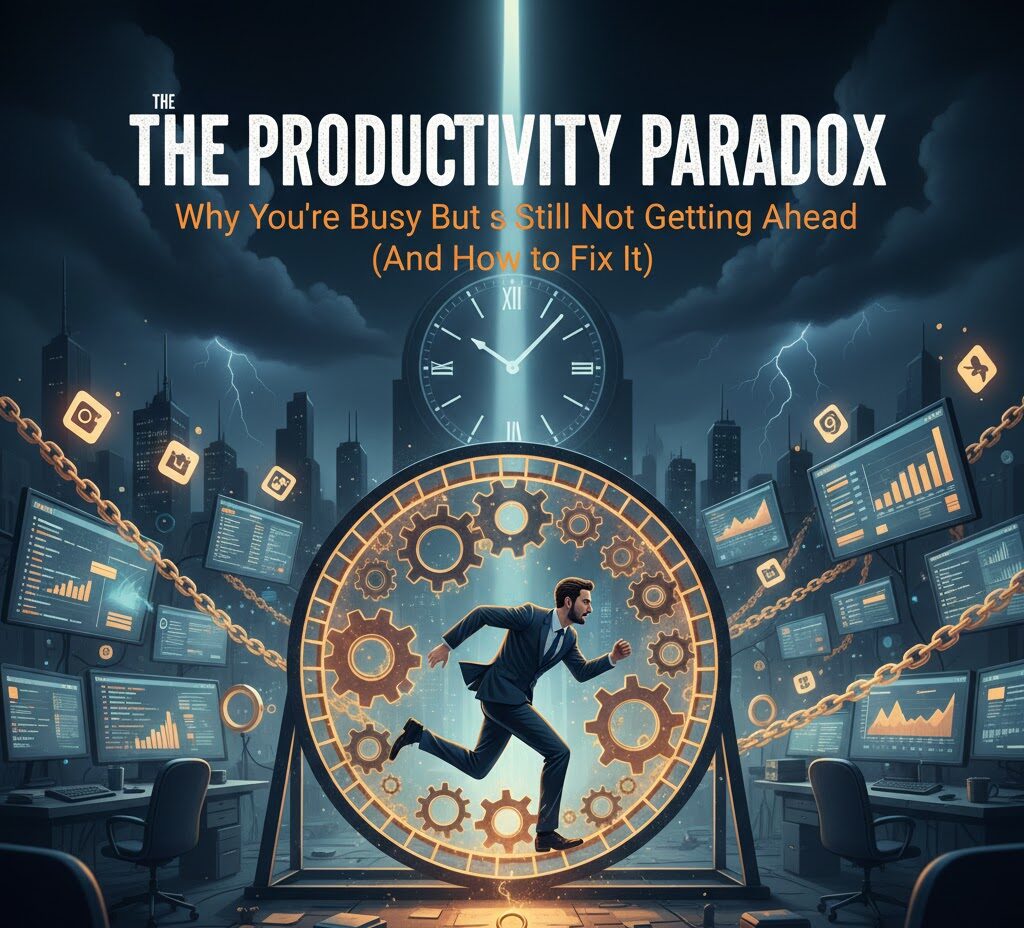
Let’s bust a myth right here, right now: *more* doesn’t always equal *better*. In fact, it rarely does. The “hustle culture” that’s been relentlessly pushed for years—the idea that you need to be “on” 24/7, that rest is for the weak—is a breeding ground for burnout and ineffective work. It’s like trying to fill a bucket with a hole in the bottom. You can pour and pour, but you’ll never truly fill it. The “just one more thing” mentality is the hole in the bucket.
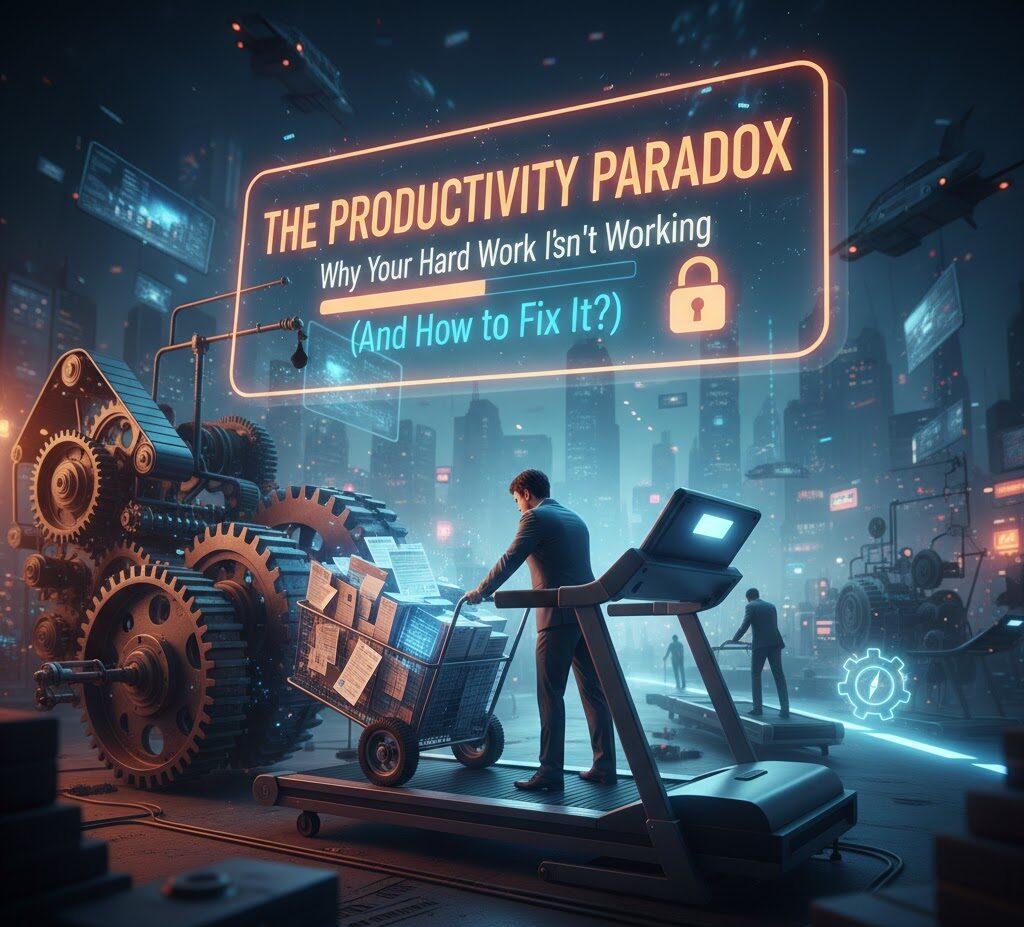
This is where productivity silently collapses. The illusion of constant progress is shattered by diminishing returns. After a certain point, the extra hours you put in produce very little in terms of real output. Instead, you’re left with fatigue, decision fatigue, and a growing sense of being overwhelmed. The “just one more thing” approach becomes a treadmill—you’re running hard, but not actually going anywhere.
Most people stay busy but avoid this core problem: they haven’t clarified their priorities. They’re reacting to every incoming task, every ping, every notification, instead of proactively choosing what deserves their attention. They are *busy*, but not necessarily *productive*.
The Real Reasons Productivity Breaks Down
So, why does productivity fall apart? It’s not usually a lack of will. It’s often due to a combination of factors, a perfect storm of bad habits and poor systems. Here are the most common culprits, the areas where I see people consistently stumble:
- Poor Planning: The absence of a clear plan is a surefire way to get lost. Without knowing what to focus on *first*, you end up reacting to whatever pops up, flitting from one task to another, and feeling like you’re constantly playing catch-up.
- Lack of Prioritization: Everything feels urgent, and nothing feels important. This leads to a frantic scramble to get everything done, leading to overwhelm and poor quality work.
- Energy Drainers: We’re not robots. We’re human. Mental and physical energy levels fluctuate throughout the day. Working through your energy crashes, instead of taking breaks or planning your most challenging tasks for when you have peak energy, is a recipe for disaster.
- Unrealistic Expectations: Aiming for perfection or trying to do everything at once sets you up for failure. It’s better to make steady progress than to set yourself up for frustration.
- Distraction Overload: The modern world is engineered for distraction. Notifications, social media, and the constant stream of information can easily hijack your focus, leaving you with little time and energy for deep, meaningful work.
- “Just One More Thing” Mentality: This is the biggest one. The inability to switch off, to say no, and to respect your own boundaries. You end up constantly chasing the next task, even when you’re exhausted, sacrificing your well-being for the illusion of progress.
The Sustainable Productivity System: Work Smarter, Not Harder
Real productivity starts when you create systems, not just rely on tips and tricks. It’s about building habits that support your goals and protect your energy. Here’s a practical system based on principles that I’ve seen work for years:
1. Define Your Non-Negotiables
What are the *absolutely* essential things you need to achieve? These are the activities that drive your most important goals. Write them down. Be brutal. If a task doesn’t contribute directly to those goals, it goes. This helps you clarify your *why* and prevents you from getting bogged down in the unimportant.
2. Time Blocking: The Ultimate Focus Hack
Time blocking is not just about writing down your schedule. It’s about being deliberate with your time. Instead of a to-do list, create a time-based plan. Block out specific times for specific tasks. Protect those blocks as if they were meetings with your most important client (which they are!). This creates boundaries and helps you manage your energy levels, by planning the most challenging tasks for when you have peak energy.
3. The Power of “Batching”
Group similar tasks together. Instead of checking email every hour, set aside dedicated times (e.g., twice a day) to handle all emails. Batching similar tasks minimizes context switching, saving you time and mental energy. It also protects your focus by reducing the number of interruptions. This is a game-changer for deep work.
4. Energy Management Is Productivity Management
You can’t pour from an empty cup. Recognize your energy cycles, and plan your work accordingly. Schedule your most mentally demanding tasks for when you’re feeling sharpest. Take regular breaks to recharge. Get enough sleep, eat well, and incorporate movement into your day. Without the right amount of energy, it’s impossible to be consistently productive.
5. The Art of Saying No
This is crucial. Learn to decline tasks, meetings, and commitments that don’t align with your priorities. It’s about protecting your time and energy. It’s not about being rude; it’s about being strategic. Politely decline the extra tasks, or delegate where possible. “No” is a complete sentence.
6. Schedule Downtime and Recovery
It’s not about working harder; it’s about working *smarter*. Deliberately schedule downtime into your day and week. This includes breaks, time for hobbies, and activities that help you recharge. Without it, you’ll burn out fast. Recovery is *part* of your productivity system, not an afterthought.
7. Regular Review and Adjustment
Your productivity system isn’t set in stone. Regularly review your progress, identify what’s working and what’s not, and make adjustments as needed. This could be weekly or monthly, depending on your needs. The goal is to continuously optimize your system to better serve your goals.
Common Productivity Mistakes to Avoid
These are the traps I see people fall into again and again. Avoiding these pitfalls will free up time and energy and lead to more effective work:
- Multitasking: It’s a myth. Your brain can’t truly focus on two things at once. You end up switching between tasks, losing time and concentration.
- Perfectionism: Aiming for perfection at the start can lead to procrastination and wasted effort. Aim for “good enough” and iterate as you go.
- Ignoring Breaks: Short, frequent breaks improve focus and prevent mental fatigue.
- Not Planning: Working without a plan is like driving without a map. You’ll get lost.
- Overcommitting: Taking on too many tasks sets you up for overwhelm. Learn to say no.
- Failing to Prioritize: If everything is urgent, then nothing is.
- Chasing the “Next Shiny Object”: Don’t constantly switch strategies. Stick with a system long enough to see if it works.
- Neglecting Self-Care: Ignoring sleep, exercise, and diet. This severely limits your cognitive function.
The Long-Term Impact: Beyond the To-Do List
The “just one more thing” trap not only undermines your productivity but also harms your overall well-being. Here’s what’s at stake:
- Reduced Performance: Consistent overwork leads to fatigue, mistakes, and decreased quality.
- Strained Relationships: When work becomes your priority, it can damage relationships.
- Poor Health: Chronic stress and burnout increase the risk of health problems.
- Lower Income: Ironically, the more you work, the less you get done, which can affect your income.
- Decreased Happiness: Feeling constantly overwhelmed and never satisfied leaves you unhappy.
- Mental Health Issues: The pressure to be constantly “on” leads to anxiety and depression.
The long-term impact of sustainable productivity habits is the opposite. Reduced stress, improved health, better relationships, and increased success in the areas that matter most to you.
The Future of Productivity (2025–2026 and Beyond)
The work landscape is evolving. Remote work, AI tools, and the demand for increased flexibility are reshaping how we approach productivity. Here’s how to future-proof your habits:
- Embrace Automation: Use AI tools to automate repetitive tasks and free up your time for higher-level work.
- Focus on Outcomes: It’s not about how many hours you work, but what you achieve.
- Prioritize Flexibility: Adapt your schedule and work style to match your needs.
- Invest in Skill Development: Learn new skills and stay current with industry trends.
- Cultivate Digital Wellbeing: Practice mindful technology use to avoid burnout and distraction.
- Seek Authentic Connection: Fight the isolation of remote work by building genuine relationships.
Frequently Asked Questions About Productivity
These are real questions people ask. Here are some answers based on my experiences:
- How can I stop procrastinating? Start with the small, easiest tasks first. Break down large projects into smaller steps. Then, use time-blocking to create a clear plan.
- What’s the best time management system? There’s no “best” system. The best one is the one you actually use. Try different approaches, experiment, and refine your system over time.
- How do I stay focused? Minimize distractions (phone, email, social media). Create a dedicated workspace. Use the Pomodoro Technique (25 minutes of work followed by a short break) to stay sharp.
- How can I avoid burnout? Prioritize sleep, exercise, and rest. Set boundaries between work and personal life. Learn to say no. And, regularly take breaks.
- Is it possible to be productive all the time? No. It’s not realistic, nor is it healthy. Schedule downtime and recovery into your routine. Embrace imperfection.
- How do I prioritize tasks? Use a system such as the Eisenhower Matrix (urgent/important) or the Pareto Principle (80/20 rule) to identify the most important tasks. Then, focus on those.
- How much sleep do I *really* need? Most adults need 7–9 hours of quality sleep. This is non-negotiable for peak performance. Aim to go to bed and wake up at roughly the same time, even on weekends.
- Where do I even start with productivity? Start with the basics: time blocking, clear goals, and focus on the *most important* tasks.
Conclusion: Breaking Free from the “One More Thing” Cycle
Getting caught in the “just one more thing” trap is easy. But the cost—in terms of your energy, your well-being, and your results—is too high. By understanding the underlying reasons why productivity breaks down and building sustainable systems, you can escape the cycle of overwork and finally achieve the results you deserve. Remember, it’s not about doing more. It’s about doing the *right* things, consistently. Now, it’s time to create a system that works, reclaim your time, and finally start living a life that matches your ambitions. Consider taking a look at The Ghost of Should: Unmasking the Inner Critic and Finding Freedom to assist with your mindset.
For more insights and strategies on productivity, visit Jamgro.