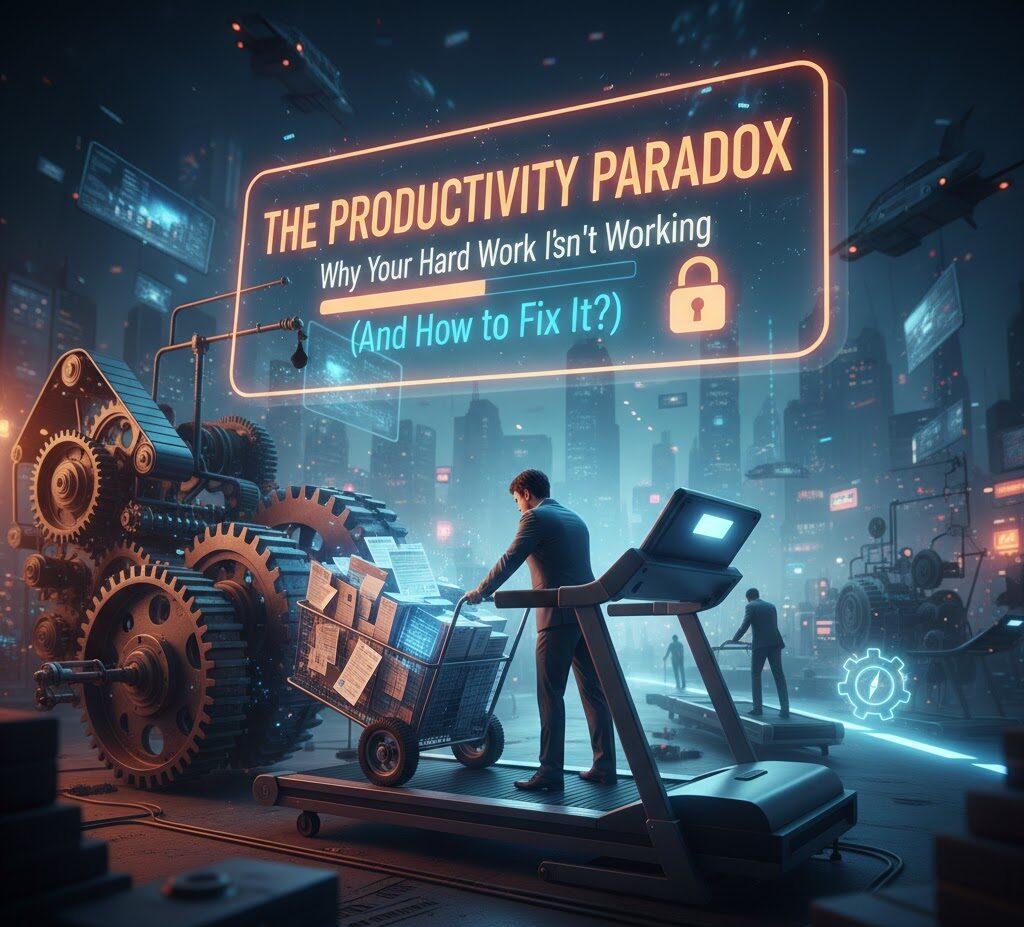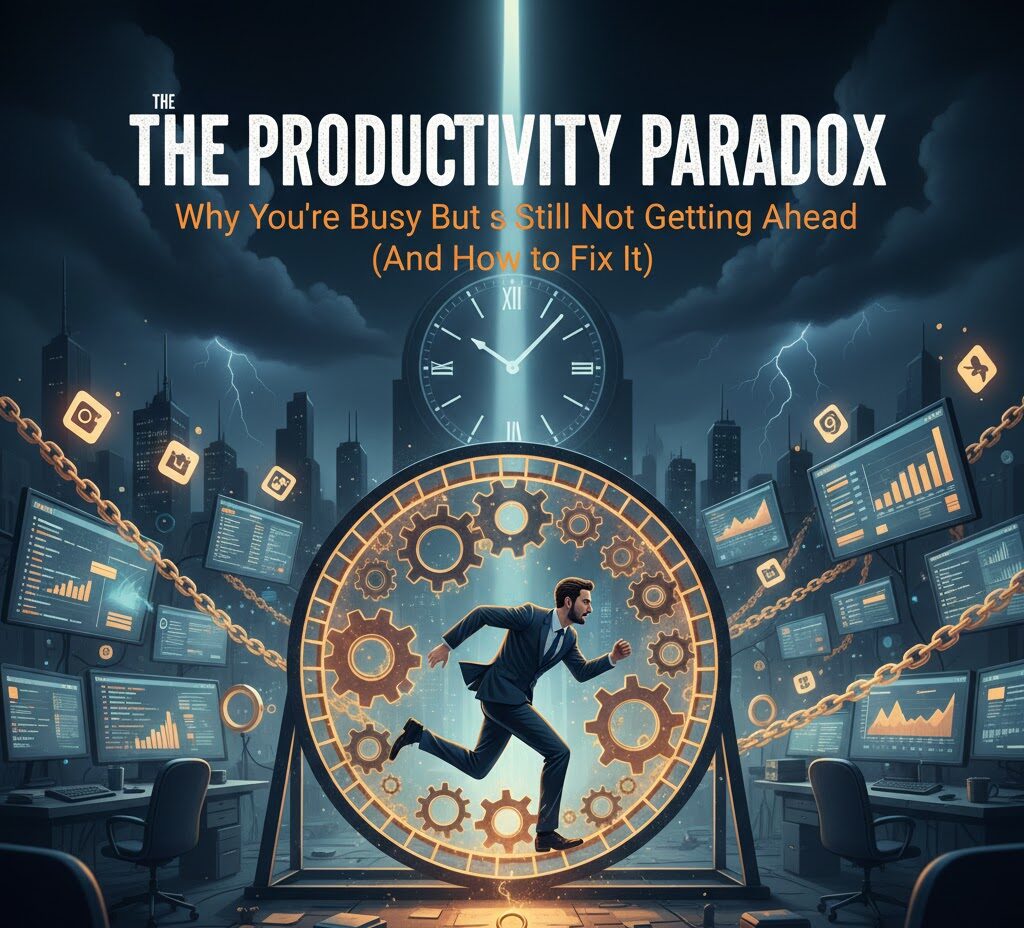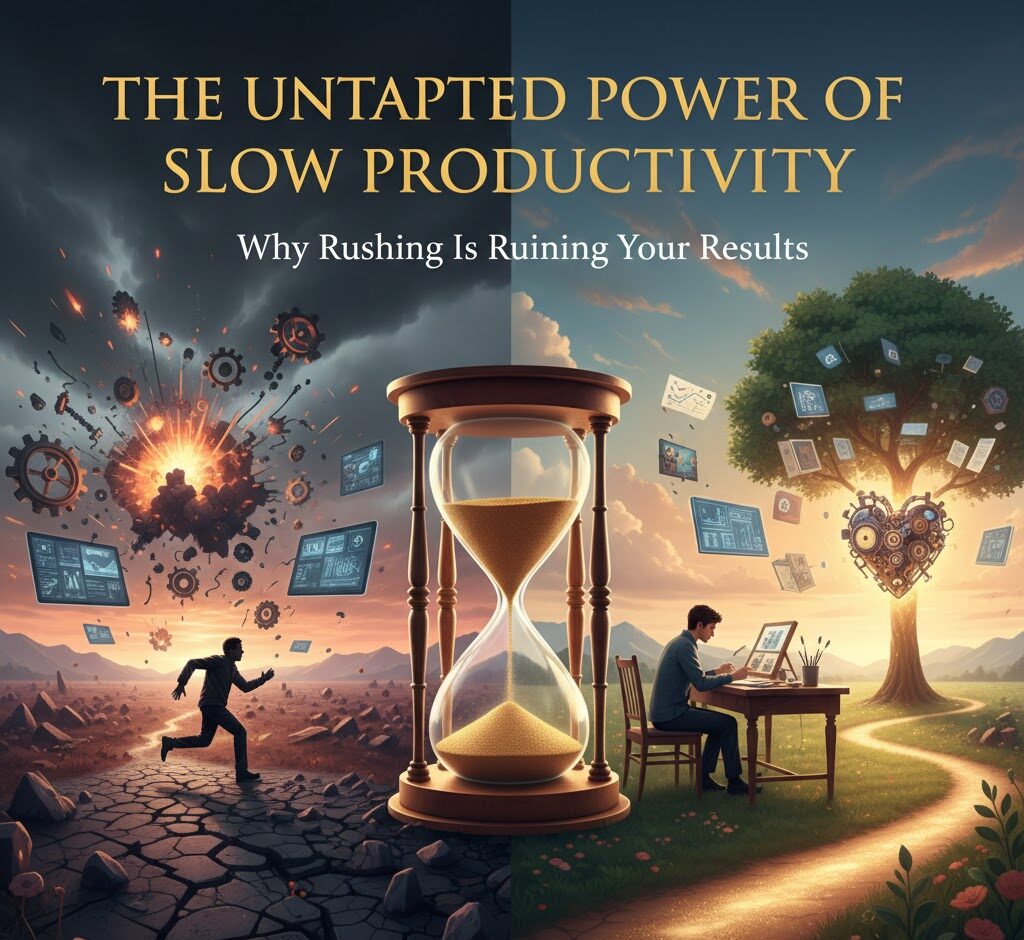
Ever feel like you’re running on a hamster wheel? Hours blur by, your to-do list seems to multiply, and yet, the feeling of real progress remains elusive. You’re busy. You’re putting in the time. But are you truly productive? This is the core problem I want to tackle today. We’re going to dissect the “Busy Trap”—the sneaky way we trick ourselves into thinking activity equals accomplishment. I’ve seen it countless times in my 20+ years coaching professionals, entrepreneurs, and students. People fall headfirst into the ‘busy’ trap. They’re constantly in motion: answering emails at 10 PM, juggling multiple projects, and attending endless meetings. Yet, their goals stay frustratingly out of reach. Income plateaus. Burnout looms. And that nagging feeling of “am I really doing the right things?” won’t go away.
The Illusion of Perpetual Motion
The ‘Busy Trap’ isn’t about laziness; it’s about a fundamental misunderstanding of what drives real results. It’s a psychological trick, a state of hyper-activity that masks deeper issues. Let’s break down why it happens:
- The “Always On” Culture: We live in an era where busyness is a badge of honor. Social media celebrates the hustle, and work emails ping around the clock. This constant pressure to be “doing” something breeds a fear of downtime and a compulsion to fill every moment with activity.
- Poor Prioritization: When you’re constantly reacting to everything, you lose sight of what truly matters. Urgent tasks often crowd out important ones. This is a crucial distinction. Urgent things demand immediate attention, but they don’t always contribute to your long-term goals. Important things align with your values and drive you toward success. But they often get deprioritized.
- Lack of Clear Goals: Without a roadmap, any road will do. If you haven’t defined your goals, you’ll jump on any task that comes your way. It’s like setting sail without a destination – you might be moving, but you’ll never arrive.
- The Multitasking Myth: You might think you’re a productivity ninja, juggling 5 things at once, but you’re likely just doing several things poorly. Our brains aren’t wired for true multitasking. We switch rapidly between tasks, and this context-switching drains focus and increases errors.
This is where productivity silently collapses. The illusion of constant activity gives a temporary dopamine hit—a feeling of progress. But the reality is: you’re spinning your wheels. You’re building a life on a foundation of quicksand.
Common Productivity Traps to Avoid
Most people stay busy, but avoid the truly essential work. Here are some of the most common traps that feed into the ‘Busy Trap’ and keep you stuck:
- Endless To-Do Lists: A never-ending list is overwhelming. It prevents you from focusing on the critical few tasks that truly move the needle. You end up ticking off minor items just for the satisfaction of crossing things off, ignoring the bigger, more impactful projects.
- Perfectionism Paralysis: Striving for perfection on everything is a recipe for procrastination. If you’re constantly delaying action until everything is “just right,” you’ll never get anything done. Done is better than perfect, especially at the start.
- The Illusion of “More”: We equate more hours with more output. The belief that longer workdays equal better results is a myth. In reality, working excessively leads to burnout, reduced focus, and a decline in overall performance. A better approach is to work smarter, not harder.
- Saying “Yes” to Everything: Every commitment you make is a commitment you make at the expense of something else. Overcommitting dilutes your focus and stretches your time thin. Learn to say “no” to things that don’t align with your goals.
The Core Problem: Activity Without Alignment
At the heart of the ‘Busy Trap’ is a fundamental misalignment. Your actions aren’t connected to your goals. You’re simply reacting to the immediate demands of your day without considering the bigger picture. Real productivity starts when you align your efforts with your values and your long-term objectives.
This means asking yourself these critical questions:
- What are my core goals? (What do I want to achieve?)
- What are the most important tasks that will help me achieve those goals? (What truly moves the needle?)
- What activities drain my energy and distract me from my goals? (What should I eliminate?)
Once you have clarity, it’s easier to prioritize and to say “no” to the things that don’t fit.
Building a Sustainable Productivity System
Breaking free from the ‘Busy Trap’ isn’t about working harder; it’s about working smarter. It’s about building a sustainable system that prioritizes focus, energy, and meaningful action. Here’s a practical, actionable approach:
1. Define Your North Star: Long-Term Goals
What do you truly want to achieve in the next year, five years, or even a decade? Get clear on your overarching goals. This is your “North Star”. Write them down. Be specific. This will shape everything else. It can be related to your career, your finances, your health, or even your relationships.
2. Break Down Goals into Actionable Steps
Big goals can feel overwhelming. Break them down into smaller, manageable tasks. A large project like “Write a book” turns into a series of smaller tasks: “Outline Chapter 1,” “Write 500 words,” “Edit Chapter 1.” Smaller steps feel less daunting and create a sense of forward momentum.
3. Time Blocking and Prioritization
Time blocking is one of the most effective tools I’ve used. Schedule specific blocks of time for your most important tasks. Treat those blocks as non-negotiable appointments with yourself. Use the Jamgro time-blocking technique, which helps to allocate your energy appropriately. Prioritize using methods like the Eisenhower Matrix (urgent/important) or the Pareto Principle (80/20 rule) to focus on the tasks that yield the greatest results.
4. Energy Management
Productivity isn’t just about time; it’s about energy. Poor diet, lack of sleep, and chronic stress drain your focus. Focus on getting sufficient sleep, eating nutritious foods, and integrating movement and downtime into your routine. Incorporate short breaks throughout the day to recharge. Listen to your body and adjust your schedule accordingly. Avoid excessive caffeine and sugar, which provide quick bursts of energy followed by crashes.
5. Eliminate Distractions
Distractions are the enemy of focus. Turn off notifications, close unnecessary tabs, and create a dedicated workspace. Consider using website blockers or productivity apps to minimize digital interruptions. If you work in an open office, use noise-canceling headphones. It is critical to create an environment that supports deep work and focused attention.
6. Review and Adjust
Productivity is a process, not a destination. Regularly review your progress, identify what’s working, and adjust your strategies accordingly. What tasks are you consistently putting off? What time of day are you most productive? Experiment with different techniques and find what works best for you. Make time for reflection. Without reflection, you’ll repeat the same mistakes. Schedule a weekly review to assess your wins and losses.
Productivity in the Digital Age (2025-2026)
The digital landscape continues to evolve rapidly. Here’s how to stay productive in this environment:
- AI Tools for Efficiency: Embrace AI tools that can automate repetitive tasks, summarize information, and help you brainstorm. Use them to streamline your workflow, but remember they are tools, not replacements for human thought and judgment.
- Digital Detox: Schedule regular breaks from your devices. The constant stream of information can be overwhelming. Set boundaries and disconnect from the digital world to recharge and refocus.
- Remote Work Considerations: If you work remotely, establish clear boundaries between work and personal life. Create a dedicated workspace and stick to a consistent schedule.
- Prioritize Cybersecurity: As we become more dependent on digital tools, prioritize cybersecurity. Protect your devices and accounts to prevent disruptions and data loss.
The Long-Term Impact: Beyond the Checklist
The ‘Busy Trap’ has a high price. It leads to burnout, decreased job performance, and a decline in mental and physical health. It also impacts your finances. If you’re constantly putting out fires instead of focusing on strategic work, your income and career advancement will suffer.
On the other hand, sustained productivity creates:
- Increased income and career opportunities.
- More free time for the things you enjoy.
- Improved mental clarity and reduced stress.
- Stronger relationships.
- A sense of accomplishment and fulfillment.
Real productivity isn’t just about getting more done. It’s about building a life that aligns with your values, where work supports your goals, rather than consumes you.
FAQ: Cracking the Code on Productivity
Here are some frequently asked questions about the ‘Busy Trap’ and sustainable productivity.
- I’m always busy, but I never seem to finish anything. What am I doing wrong?You’re likely caught in the ‘Busy Trap.’ The solution is to define your core goals, prioritize ruthlessly, and focus on the tasks that yield the greatest results. Stop confusing activity with accomplishment.
- How do I stop procrastinating and actually start working?Break large tasks into smaller, less intimidating steps. Use time-blocking to schedule your work. Set realistic deadlines. And remember: done is better than perfect, especially at the start. Consider the 5-minute rule: commit to working on something for just 5 minutes. Often, that small start will build momentum.
- Is multitasking ever a good idea?Generally, no. Our brains aren’t wired for true multitasking. Context-switching drains your focus and increases errors. Focus on one task at a time for maximum efficiency.
- How can I manage my time more effectively?Use time-blocking, prioritize your tasks, and eliminate distractions. The most important thing is to schedule your most important tasks first. The first hour of your day can determine your productivity for the rest of the day.
- I feel overwhelmed by my to-do list. What should I do?Don’t be overwhelmed by your to-do list. Limit the number of items on your list. Use the Eisenhower Matrix to prioritize tasks. Delete or delegate what you can. If your list is too long, the solution is to shorten it.
- What role does energy play in productivity?Energy is a critical factor. Get enough sleep, eat healthy foods, and incorporate exercise and breaks into your day. High energy levels allow you to focus and sustain your output, and increase your cognitive function.
- How can I make productivity a habit?Start small, be consistent, and track your progress. Don’t aim for perfection. Focus on building sustainable habits, and celebrate your successes. Reward yourself when you achieve your goals. Review and adjust your strategies.
Breaking free from the ‘Busy Trap’ is a journey, not a destination. It requires self-awareness, discipline, and a willingness to challenge your existing habits. But the rewards—a more productive, fulfilling, and less stressful life—are well worth the effort. Learn to identify and eliminate the productivity traps holding you back. Focus on aligning your actions with your goals, and watch your impact, income, and overall well-being soar. Start today.