I get it. You’re hustling. You’re putting in the hours. You’re juggling a million things and feeling…drained. You’re “busy” and likely burnt out. You’re probably thinking, “I just need to work harder!” But what if I told you the problem isn’t the amount of work, but the quality of your energy? We’ve all been there. You wake up with a to-do list a mile long, a coffee in hand, and the misguided belief that sheer willpower will carry you through the day. By lunchtime, you’re staring blankly at your screen, re-reading emails for the fourth time, and wondering where all the motivation went. That’s the energy crash speaking. And it’s a silent productivity killer.
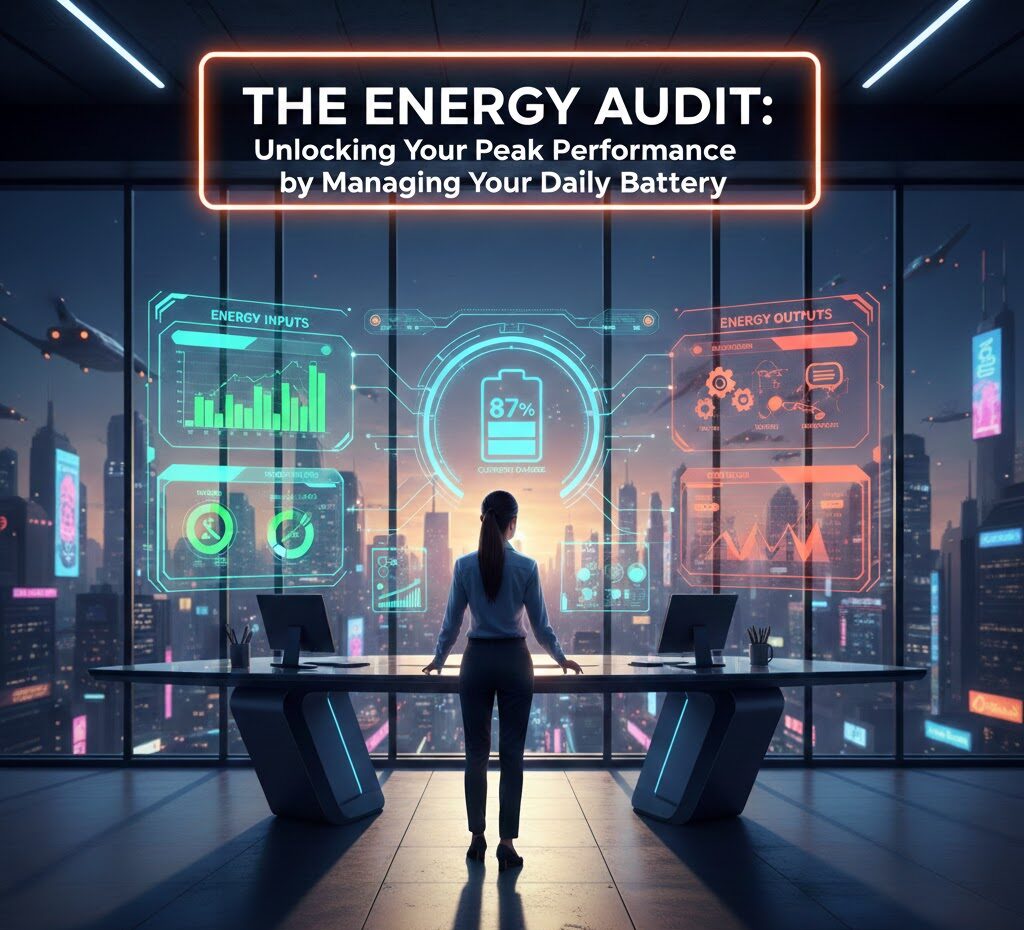
This isn’t about motivational quotes or “hacks” that promise overnight results. This is about a fundamental shift: recognizing that your energy is your most valuable asset. Treating it like an investment, not a bottomless resource. It’s time for an “energy audit” – a deep dive into how you’re spending your most precious resource: your capacity to focus, create, and get things done.
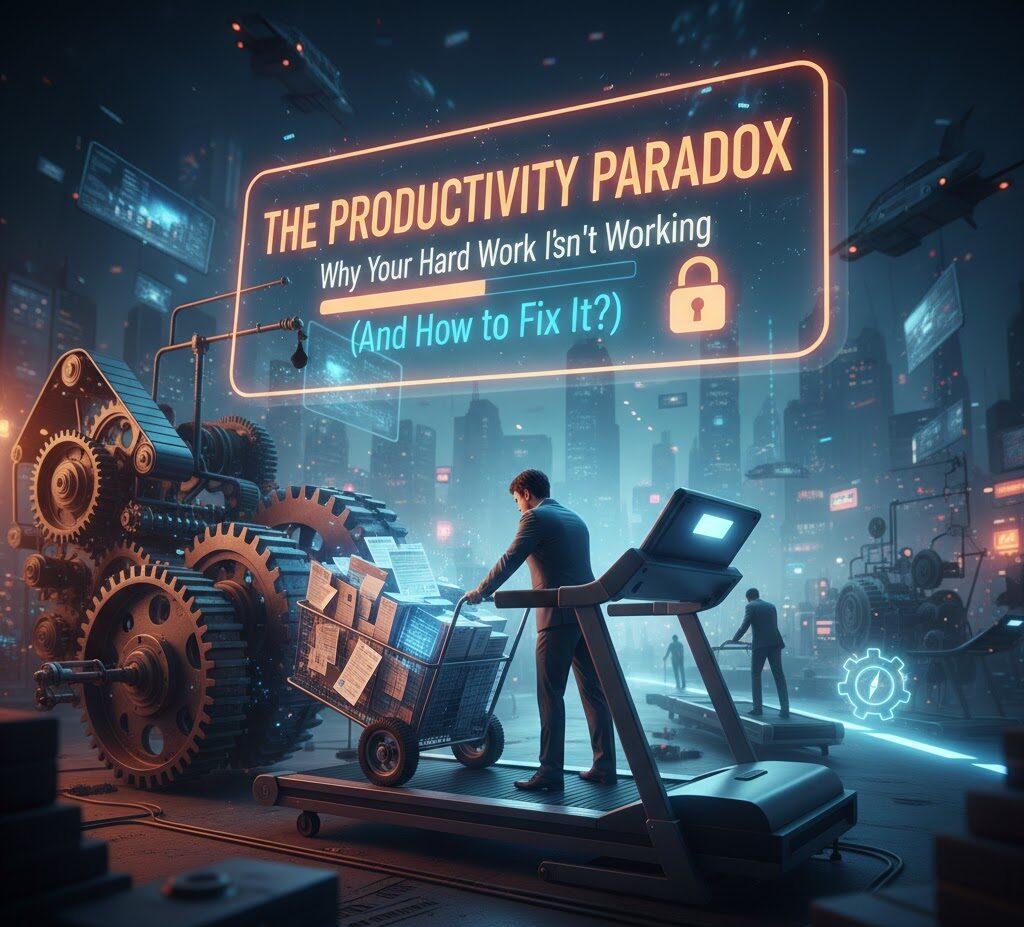
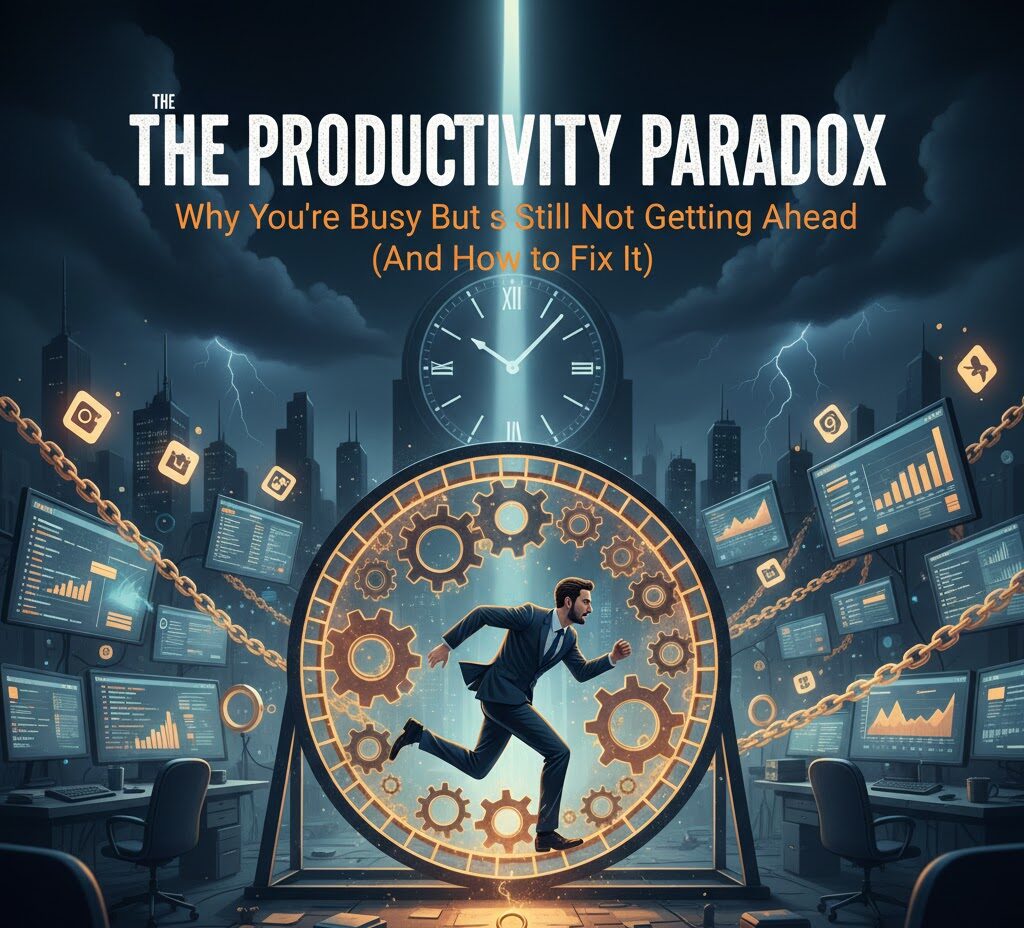
The Productivity Paradox: More Hours, Less Output
Here’s a painful truth: More hours don’t equal more output. We’ve been sold a lie. The “grind” culture glorifies overwork, but it rarely delivers sustainable results. Think about it: Have you ever spent a whole day “working” only to realize you achieved…very little? The problem isn’t a lack of effort. It’s a lack of focused, sustainable energy.
This is where productivity silently collapses. We’re wired for bursts of energy, not constant high-octane performance. Pushing through mental fatigue leads to mistakes, poor decisions, and eventually, burnout. When your energy is low, everything takes longer, quality suffers, and that “to-do” list never seems to shrink.
Let’s bust a few myths right here, right now:
- Multitasking is a myth: Your brain isn’t designed to do multiple things well at once. You’re just rapidly switching between tasks, leaving you feeling mentally scattered and exhausted.
- Long hours = success: Burning the midnight oil might impress your boss, but it’s not a recipe for long-term productivity or health. Quality over quantity, always.
- Motivation comes first: Waiting for motivation is a recipe for procrastination. Energy, focus, and a system get you started. Motivation usually shows up later.
The Energy Audit: A Practical Framework
An energy audit isn’t some complicated scientific process. It’s a simple, actionable framework to understand and optimize your energy levels. Here’s how to conduct your own:
1. Track Your Energy Levels
For one week, keep a detailed log of your energy highs and lows. You can use a simple notebook, a note-taking app, or even a spreadsheet. Make note of:
- Time of day: When do you feel most alert? When do you crash?
- Activities: What tasks energize you? What drains you? Be honest – scrolling social media, checking emails constantly, and attending endless meetings are energy vampires.
- Food and Drink: What did you eat and drink? Did you consume lots of sugar, caffeine, or processed foods?
- Sleep: How many hours did you sleep? Was it quality sleep?
- Mood and Stress: How stressed were you feeling? Did your mood affect your energy?
This isn’t about judging yourself. It’s about becoming aware of your personal energy patterns. The goal is to see the triggers and identify the culprits.
2. Identify Your Energy Drains
Once you’ve collected a week of data, analyze it. What activities, people, or habits consistently drain your energy? Be brutally honest. Common energy drains include:
- Endless meetings: Meetings with no clear agenda or purpose.
- Constant email checking: Reactive work is exhausting.
- Social media scrolling: The endless feed sucks your time and attention.
- Unhealthy diet: Sugar crashes and nutrient deficiencies.
- Lack of sleep: Sleep deprivation decimates productivity.
- Negative self-talk: Your inner critic is an energy thief.
- Toxic people: Drama, negativity, and complainers.
3. Identify Your Energy Boosters
What activities, habits, or people consistently give you a boost of energy? These are your “go-to” resources when you need a recharge. Examples include:
- Exercise: Even a short walk can work.
- Spending time in nature: Fresh air and sunlight.
- Creative work: Writing, painting, or any activity that allows you to express yourself.
- Meaningful connections: Connecting with people you care about.
- Healthy food: Nutrient-rich meals and snacks.
- Good sleep: Prioritize it!
- Deep work: Focusing on important tasks.
- Helping others: Acts of service.
4. Design Your Energy-Optimized Day
Now, it’s time to build a day that works with your energy, not against it. Based on your audit, structure your day to maximize your energy peaks and minimize your energy dips. Here’s how:
- Schedule your most important tasks for your peak energy times: If you’re a morning person, tackle your most challenging work first thing.
- Batch similar tasks together: Group email checking, phone calls, and other routine tasks to reduce context switching.
- Build in regular breaks: Short breaks throughout the day help you recharge. Get up, stretch, walk around, or do a quick breathing exercise.
- Prioritize sleep: Aim for 7-9 hours of quality sleep per night. This is non-negotiable.
- Plan your meals and snacks: Avoid sugar crashes by eating nutritious meals and snacks throughout the day.
- Set boundaries: Learn to say “no” to things that drain your energy.
- Protect your time: Turn off notifications, close unnecessary tabs, and create a distraction-free workspace.
This isn’t about becoming a productivity robot. It’s about designing a lifestyle that supports your energy and well-being. It is about understanding that sustained high performance, and great work, happens when you work with your body and mind.
The Power of Systems, Not “Hacks”
The productivity world is flooded with “hacks” – quick fixes that promise instant results. But sustainable productivity isn’t built on hacks. It’s built on systems. A system is a set of habits and processes designed to achieve a specific outcome.
For example, instead of relying on willpower to get out of bed, create a morning routine that includes a non-negotiable activity you enjoy (like reading or listening to music). Make it automatic. Systems are the backbone of sustainable productivity. They remove the need for constant decision-making and willpower, freeing up your mental energy for more important things.
Here’s how to build sustainable productivity systems:
- Start small: Don’t try to overhaul your entire life at once. Choose one area to focus on, like improving your sleep or managing your email.
- Make it easy: Design your systems to be as simple as possible. The easier a habit is, the more likely you are to stick with it.
- Focus on one thing at a time: Don’t try to change multiple habits simultaneously. Trying to do too much at once leads to overwhelm and failure.
- Track your progress: Use a habit tracker, journal, or app to monitor your progress. This helps you stay motivated and identify areas for improvement.
- Be patient: Building sustainable habits takes time. Don’t get discouraged if you slip up. Just get back on track the next day.
- Make it rewarding: Reward yourself for sticking to your systems. This helps reinforce the positive behavior.
The Long-Term Impact: Beyond the To-Do List
The benefits of an energy audit and productivity system extend far beyond a shorter to-do list. They have a profound impact on your overall well-being and life quality.
- Improved focus and concentration: By managing your energy, you can minimize distractions and focus on the task at hand.
- Reduced stress and burnout: When you’re working with your energy, you feel less overwhelmed and more in control.
- Increased creativity and innovation: A rested mind is a creative mind.
- Better decision-making: When you are not mentally fatigued, you make smarter, more thoughtful decisions.
- Enhanced relationships: When you have more energy, you have more to give to the people you care about.
- Improved mental and physical health: Prioritizing your well-being can improve sleep, eating habits, and overall health.
- Increased income and career success: Real productivity leads to real results.
This is where real productivity starts. It is a mindset shift that can profoundly impact your life.
The Future of Sustainable Productivity
The way we work is changing rapidly. Remote work, hybrid models, and the constant barrage of digital distractions are here to stay. That is why understanding your energy is more critical than ever. In 2026, the following trends will continue to shape the productivity landscape:
- The rise of “mindfulness at work”: More companies are recognizing the importance of employee well-being and are incorporating mindfulness practices into the workplace.
- Increased use of AI tools: AI tools will help automate tasks, freeing up your time and energy for higher-level work.
- Focus on work-life integration: The rigid boundaries between work and personal life are blurring. We are entering a place where people are expecting more balance.
- The importance of “digital detox”: Taking breaks from technology and reconnecting with the real world is becoming essential for mental health.
To thrive in this evolving environment, you need to cultivate sustainable productivity habits. This means prioritizing your energy, building effective systems, and embracing a holistic approach to work and life. To learn more about building resilience in your career, check out this related article: The Unsung Hero of Your Career: How to Build Rock-Solid Resilience. You can also find additional resources and insights at Jamgro.
Frequently Asked Questions (FAQ)
Here are some of the most common questions people ask about productivity and energy management:
- How do I stop feeling overwhelmed? Start by breaking down large tasks into smaller, more manageable steps. Then, schedule regular breaks and prioritize sleep.
- What’s the best way to manage my time? Time management is a very simple concept, and it comes down to a few basic principles: plan your day, set priorities, and focus on one task at a time. The most important thing is to be consistent.
- How do I stay focused when I’m constantly distracted? Identify your distractions (phone, social media, etc.) and create a workspace that minimizes them. Turn off notifications, use website blockers, and practice the Pomodoro technique.
- What if I’m a night owl? Can I still be productive? Absolutely! The key is to design your day around your natural energy rhythms. If you’re a night owl, focus on your most important work in the evening or morning.
- How much sleep do I really need? Most adults need between 7-9 hours of sleep per night. Experiment to find the amount that works best for you.
- How do I avoid burnout? Prioritize your energy, set boundaries, and schedule regular breaks. Learn to say “no” to things that drain you, and make time for activities you enjoy.
- Is it possible to be productive while working remotely? Yes! Create a dedicated workspace, set clear boundaries between work and personal life, and communicate effectively with your team.
- What’s the best productivity tool? The best tool is the one you will use consistently. Experiment with different tools to find what fits your needs, but do not become addicted to the tools themselves.
The energy audit is not a quick fix or a productivity hack. It is a fundamental shift in how you work and live. By understanding and managing your energy, you can achieve more, reduce stress, and create a life that feels energized, balanced, and sustainable.