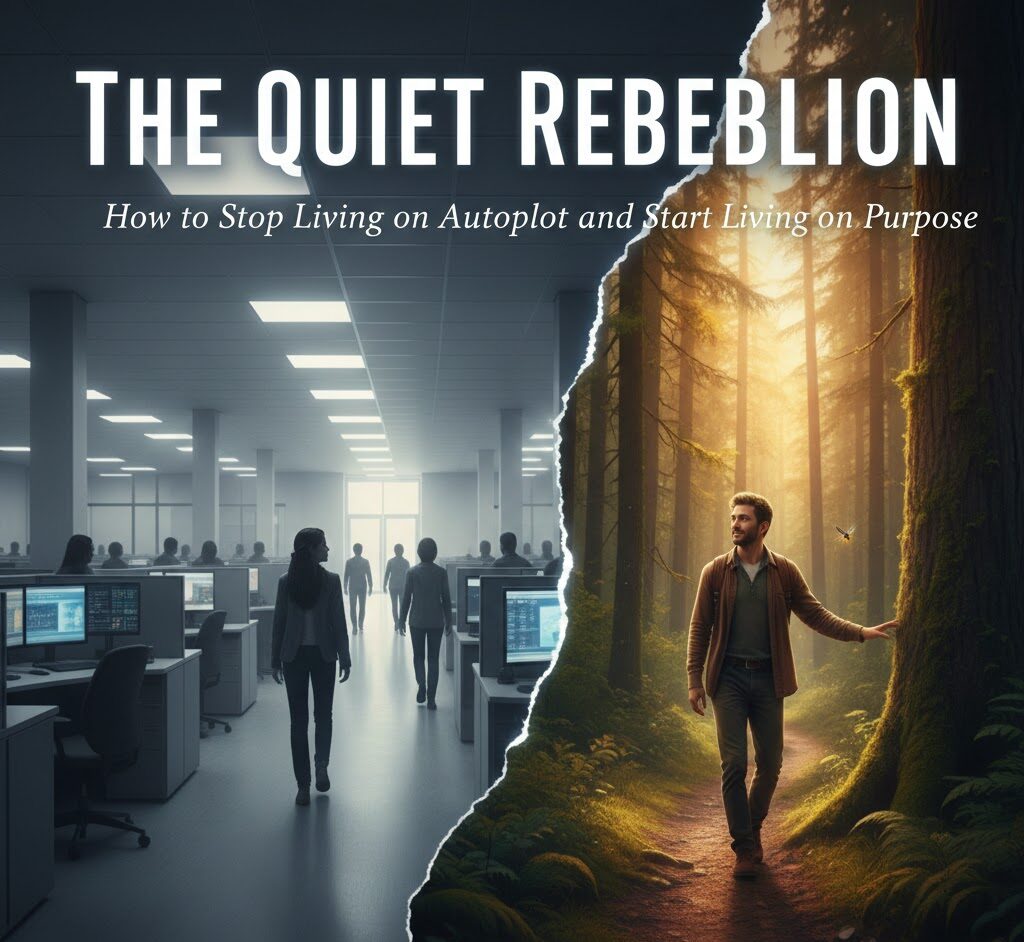
I know the feeling. That quiet unease that settles in, even when things are “going well.” It’s like an invisible wall surrounds you, a prison of your own making. You can see the open spaces, the opportunities, the life you crave, but something – some unseen force – keeps you stuck. This is the story of those walls and how we can break them down, brick by painful brick. The first walls are built with our thoughts. They’re constructed from beliefs we’ve absorbed since childhood, lessons we’ve learned through painful experiences, and the judgments we silently make about ourselves and the world. These thoughts, often unconscious, become the foundation of our reality.
They dictate how we feel, how we act, and what we believe we are capable of. Most of us go through life without even realizing these walls exist. We bump into them, get frustrated, and assume something is wrong with the world, when the truth is, the problem is often internal.
The Architects of Our Mental Prisons
Think about it. Where do these thoughts, these limiting beliefs, originate? They aren’t just pulled out of thin air. They’re built from:
- Experiences: Every success, every failure, every moment of joy and heartbreak contributes to the blueprint. A single negative experience, particularly in childhood, can lay the foundation for a wall of self-doubt.
- Environment: The messages we receive from our families, friends, communities, and the media are like the raw materials. If we grow up hearing “you’re not good enough,” “you’ll never succeed,” or “money is the root of all evil,” those bricks get laid, regardless of how objectively untrue they are.
- Self-Talk: The running commentary in our heads is the construction crew. The constant stream of judgments, criticisms, and anxieties solidifies the walls. “I’m not smart enough,” “I’m not worthy,” “I’m going to fail” – these phrases, repeated often enough, become irrefutable facts.
This is where the mind quietly sabotages progress. It’s not a conscious process, not usually. It’s a deep-seated pattern, a survival mechanism that mistakes familiarity with safety. The mind, in its relentless quest to protect us, often traps us.
Let me share a personal example. For years, I struggled with the fear of public speaking. My palms would sweat, my heart would race, and I’d stumble over my words. I was convinced I wasn’t good at it. Where did this come from? A childhood experience of being laughed at during a school presentation. That one moment, amplified over time by my inner critic, became a solid brick in the wall of my fear. It wasn’t a matter of talent; it was a matter of a prison of thought.
The Impact of Our Mental Structures
These unseen walls don’t just affect our feelings; they dictate our actions and the results we get. They influence:
- Our Decisions: Fear of failure can prevent us from taking risks, pursuing opportunities, or even voicing our opinions. We make choices based on what we believe we can handle, not what we truly desire.
- Our Relationships: If we believe we’re unworthy of love, we might push people away, sabotage relationships, or settle for less than we deserve. We build walls to protect ourselves from being hurt, but we also shut out the possibility of genuine connection.
- Our Performance: Self-doubt can cripple our abilities. When we don’t believe in ourselves, we don’t perform to our full potential. We might procrastinate, make excuses, or give up before we even try.
- Our Overall Well-Being: The constant stress and anxiety of living within these walls take a toll. We become emotionally exhausted, physically drained, and less resilient. We’re constantly fighting against ourselves.
Consider this: How many dreams have died because of these internal barriers? How many opportunities have been missed? The cost of these mental prisons is far greater than we realize.
Common Thinking Traps and How to Spot Them
The construction of our mental prisons often involves common thinking traps. Recognizing these traps is the first step toward dismantling them.
- Perfectionism: The belief that everything must be perfect leads to paralysis. We avoid starting projects, taking risks, or even enjoying our lives because we’re afraid of making mistakes.
- Overthinking: Analyzing every possible scenario, replaying past events, and worrying about the future is a surefire way to get stuck in a mental loop.
- Catastrophizing: Imagining the worst possible outcome in every situation is a recipe for anxiety and fear. We blow things out of proportion, creating scenarios far more damaging than the reality.
- Negative Self-Talk: Constant criticism, self-doubt, and self-deprecating remarks reinforce limiting beliefs. “I’m a failure,” “I’m not good enough,” “I’ll never succeed” – these phrases become self-fulfilling prophecies.
- Comparison: Measuring ourselves against others on social media or in real life leads to feelings of inadequacy and envy. It’s a never-ending cycle of self-criticism.
Most people don’t notice these thought patterns. They simply experience the symptoms – the anxiety, the procrastination, the feeling of being stuck. But once you can identify these traps, you can begin to dismantle them.
Busting Mindset Myths: The Truth About Transformation
There are many myths about mindset, making true shifts seem impossible.
- Myth: Motivation is the key. Reality check: Motivation is fleeting. It comes and goes. The real key is discipline, consistency, and a strong why.
- Myth: You can become confident overnight. Confidence takes time, effort, and experience. It’s built through small steps and consistent action, not a magic wand.
- Myth: Willpower is enough. Willpower is a limited resource. Relying solely on willpower leads to burnout. You need strategies, habits, and a supportive environment.
- Myth: Positive thinking is always the answer. Blind positivity can be toxic. Acknowledging and processing negative emotions is essential for mental health.
The real shift begins when you see these myths for what they are – traps that prevent you from making real, lasting change. Acknowledge the truth. Transformation is a process, not an event.
Practical Strategies for Dismantling the Walls
Breaking free from your mental prisons requires a multi-faceted approach. Here are some practical steps you can take today:
- Become Aware: The first step is to recognize the walls. Pay attention to your thoughts, feelings, and behaviors. What triggers your self-doubt? What are the common thought patterns that hold you back? Keep a journal and start tracking your thoughts and feelings.
- Challenge Your Beliefs: Once you identify a limiting belief, question it. Is it true? Where did it come from? What evidence do you have to support it? What evidence do you have that contradicts it? Write down alternative, more positive beliefs.
- Practice Self-Compassion: Treat yourself with the same kindness and understanding you would offer a friend. Acknowledge your struggles, forgive your mistakes, and celebrate your progress.
- Take Action: Start small. Choose one thing that scares you and do it. Each small victory builds momentum and strengthens your belief in yourself.
- Cultivate a Supportive Environment: Surround yourself with people who believe in you, encourage you, and lift you up. Limit your exposure to negativity and self-criticism.
- Practice Mindfulness: Meditation, deep breathing, and other mindfulness techniques can help you become more aware of your thoughts and emotions, reducing the power they have over you.
- Seek Professional Help: Don’t be afraid to seek guidance from a therapist, coach, or mentor. They can provide valuable tools and support as you navigate your inner world.
This is not a quick fix. It’s a journey, a process of continuous growth and self-discovery. But the rewards – freedom, clarity, and the ability to live a life aligned with your values – are immeasurable.
The Future of Mindset: Emotional Intelligence and Resilience
In the coming years, emotional intelligence and mental resilience will be more important than ever. As technology advances and the world becomes increasingly complex, our ability to understand and manage our emotions, navigate challenges, and bounce back from setbacks will be critical.
This future will require:
- Greater self-awareness: The ability to recognize and understand our own emotions, as well as their impact on our thoughts and behaviors.
- Enhanced self-regulation: The capacity to manage our emotions effectively, even in challenging situations.
- Improved social awareness: The ability to understand and empathize with the emotions of others.
- Stronger relationship skills: The capacity to build and maintain healthy relationships, which are essential for resilience.
Mindset isn’t a passive concept; it’s a living practice. The more you cultivate these skills, the more resilient you become. Consider how important this is for your own future, and your ability to interact in society and the workplace. For example, building rock-solid professionalism in the workplace goes hand-in-hand with developing a strong, resilient mindset.
FAQ: Your Mindset Questions Answered
Let’s address some common questions about mindset.
- How do I stop overthinking? Start by becoming aware of your thoughts. When you notice yourself overthinking, gently redirect your attention to the present moment. Practice mindfulness, deep breathing, or engage in a physical activity. Ask yourself if your thoughts are helpful or harmful and try to take action instead of staying trapped in thought.
- How can I build my self-confidence? Confidence comes from taking action, setting small goals, and celebrating your successes. Step outside your comfort zone, challenge your self-doubt, and focus on your strengths.
- How do I deal with the fear of failure? Accept that failure is a part of life. Reframe failure as an opportunity to learn and grow. Focus on the process, not the outcome, and remember that everyone makes mistakes.
- How can I change my negative self-talk? Become aware of your negative self-talk and challenge it. Replace negative thoughts with more positive and realistic ones. Practice self-compassion and treat yourself with kindness.
- Is it possible to change my mindset? Yes, absolutely. It takes time and effort, but our brains are incredibly adaptable. By changing your thoughts, feelings, and behaviors, you can reshape your mindset.
- How do I stay motivated when I’m feeling down? Focus on your “why”. Remind yourself of your goals and values. Break down large tasks into smaller, manageable steps. Seek support from others and practice self-care.
- What’s the best way to get started with mindset work? Start small. Choose one area of your life where you want to see improvement. Read books, listen to podcasts, or work with a coach. Be patient and persistent.
- How does mindset affect my daily life? Your mindset affects everything. It influences your decisions, your relationships, your performance, and your overall well-being. It shapes how you see the world and how the world sees you.
The journey to dismantling your mental prisons isn’t easy. But the freedom that awaits you on the other side is worth every step.
I hope this provides you with some clarity and helps you on your path. Remember that change starts with a single thought, a single action. And you, my friend, have the power to take those steps.